 Health
  Find a
  Book an
 Kidney Stone Diet: Foods to Eat and Avoid
June 11, 2025
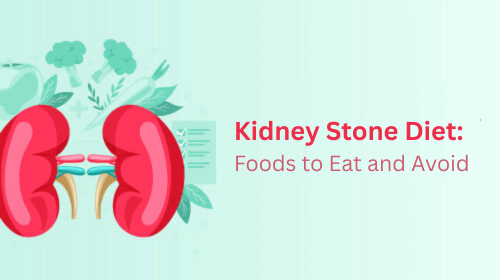
Kidney stones are a widespread health condition that can impact individuals of any age. They form when salts and minerals build up inside the kidneys, often due to factors like dehydration, diet, and certain medical conditions. These stones can be extremely painful and, if left untreated, may lead to urinary and kidney problems. Kidney stones can form in several varieties, such as calcium oxalate, calcium phosphate, struvite, uric acid, and cystine. Fortunately, you can minimize your chances of developing them by embracing better lifestyle choices. This includes staying hydrated and being mindful of your diet, particularly limiting foods that can trigger stone formation.
List of Foods that Cause Kidney Stones
- High-sodium foods: High sodium intake from salt increases calcium in the urine, raising the risk of calcium oxalate and calcium phosphate stones. Reduce fast foods, canned foods, packaged meats, and condiments high in sodium.
- High-oxalate foods: You may limit your intake of high-oxalate foods, especially if you’ve had a calcium oxalate stone. These include spinach, beets, almonds and cashews, ladies’ finger, nuts and nut products, wheat bran, etc.
- Refined sugars: Added or refined sugars can raise your chances of having kidney stones and increase the risk of a heart condition, and plenty of other severe conditions. To eliminate or reduce foods and drinks flavoured with sugar or high-fructose corn syrup.
- Alcohol: Since alcohol can be a diuretic, it can cause dehydration, increasing your kidney stones. Alcohol increases urine production, leading to higher uric acid levels in your blood and urine. An excessive amount of acid can result in the formation of uric acid kidney stones. Also, alcohol provides your body with empty calories, which might contribute to weight gain linked to an increased risk of kidney stones. Instead, drink enough water to prevent kidney stones and improve overall health.
Foods to Avoid if You Have Kidney Stones
- Reduce the Intake of Salt: Consuming too many salty foods can lead to increased calcium loss in urine, which raises the risk of forming kidney stones.
- Limit High-Oxalate Foods (especially if you have calcium oxalate stones):
- Fruits: Currants, canned fruit salad, strawberries, and Concord grapes.
- Vegetables: Beets, summer squash, sweet potatoes, and spinach.
- Drinks: Avoid tea and instant coffee, as they can be high in oxalates and contribute to stone formation.
- Other Foods: Tofu, nuts, tomato soup, and chocolate can be high in oxalates and should be limited.
Foods to Limit or Avoid with Uric Acid Kidney Stones
- Evade fatty foods such as salad dressings, ice cream, and fried foods.
- Do not consume more than 85 grams or three ounces of meat each day.
- Phosphate promotes the formation of kidney stones.
- Moreover, reduce or eliminate added sugar intake.
- Finally, restrict or avoid caffeine altogether because it drains fluids from your body, causing dehydration.
Diet Plan for Preventing and Managing Kidney Stones
Diet is key to both preventing and managing kidney stones effectively. Confer with your doctor or a dietitian to assist you in planning your meals to prevent kidney stones. Kidney stones are recurring unless you are actively working to prevent them. This means taking the prescribed medicines and paying attention to what you eat and drink.
- Drink, at a minimum, 12 glasses of water a day
- Eat citrus fruits such as oranges, grapefruit
- Eat calcium-rich foods at least three times a day with each meal
- Limit intake of animal protein
- Avoid foods and drinks high in oxalate and phosphate.
Recommended Foods and Drinks for Managing Kidney Stones
Certain foods that promote the excretion of calcium ions should be consumed during this time.
Recommended Fluids to Consume When Dealing with Kidney Stones
- Drink adequate fluids, particularly water
- Hydrating options like ginger ale, lemon water, and unsweetened fruit juices
- Stay well-hydrated to produce at least two litres of urine daily. Dark-colored urine may signal dehydration.
Some foods that are low in oxalates include:
- Bananas
- Beef
- Butter
- Cabbage
- Cauliflower
- Cheese
- Cucumbers
- Grapes
- Melons
- Milk
- Peas
However, excessive intake of dairy products and animal protein may increase the risk of developing less common types of kidney stones.
Fruits to Consume During Kidney Stones
Fruits low in oxalates and generally safe to eat include:
- Apples
- Avocados
- Apricots
- Kiwis
- Lemons
- Mangos
- Melons
- Oranges
- Pineapples
- Plums
- Watermelons
- Pears
Vegetables to Include in Your Diet When You Have Kidney Stones
Choose vegetables that are low in oxalates, as they are less likely to contribute to stone formation.
- Broccoli
- Cabbage
- Carrots
- Cauliflower
- Cucumbers
- Green beans
- Lettuce
- Potatoes
- Tomatoes
Calcium-Rich Foods to Help Balance Oxalates in Your Diet:
- Milk
- Cheese
- Yoghurt
- Oysters
- Tofu
Foods that are rich in calcium can prevent the formation of kidney stones. However, it’s important to limit intake to three servings per day to reduce the risk of developing less common types of kidney stones.
Does the Type of Kidney Stone Affect Your Diet?
Yes, the type of kidney stone you have had plays a big role in what foods and drinks you should include or avoid. Not all stones are the same, and different types form due to different minerals in the body. Understanding your stone type can help you prevent future stones more effectively.
- Calcium Oxalate Stones: These are the most common type. Those with these stones are advised to reduce their intake of high-oxalate foods like spinach, beets, nuts, and chocolate. Getting enough calcium from foods like milk, yogurt, and cheese is important because it binds with oxalates in the gut and helps prevent stone formation.
- Calcium Phosphate Stones: These stones are often caused by high urinary pH or excessive calcium and phosphate in the urine. Reducing salt intake, avoiding too much animal protein, and staying hydrated are helpful.
- Uric Acid Stones: These stones form due to excess uric acid in the urine, which is frequently associated with diets high in purines like red meat, organ meat, and seafood. Limiting meat and alcohol can reduce uric acid levels. Drinking plenty of water is essential to prevent uric acid from forming crystals.
- Cystine Stones: These are rare and form due to a genetic disorder. People with cystine stones should drink large amounts of water throughout the day to dilute the urine and prevent crystal formation.
Working With a Dietitian:
A dietitian who specialises in kidney stone prevention can design a personalised meal plan based on your specific stone type. They can recommend the right balance of calcium, protein, salt, and fluids to reduce your risk.
Check with your doctor to accurately identify your kidney stone type.
Frequently Asked Questions
1. What are the major causes of Kidney Stones?
Kidney stones may develop due to insufficient water intake, imbalanced physical activity, being overweight, undergoing weight loss surgery, or consuming excessive salt or sugar in the diet. In addition, infections and family history might be necessary for some people.