 Health
  Find a
  Book an
 How Much Water Should You Drink Daily?
April 15, 2026

Water makes up roughly 60% of your body weight. Water supports every essential bodily function. It flushes out toxins, delivers nutrients to cells, cushions joints, and aids in digestion. Knowing how much water to drink daily plays a vital role in staying hydrated and supporting your overall well-being.
Not ingesting sufficient water can lead to dehydration, which in severe cases may cause symptoms such as confusion, fatigue, and seizures. It is essential to stay hydrated by meeting your body’s daily water needs. Your daily water needs can change based on factors like your body size, activity level, climate, and overall health condition. Consulting a healthcare expert can guide you in identifying the appropriate amount of water your body requires. Many health experts suggest the “8×8” rule, which means drinking eight 8-ounce glasses of water each day. This guideline can be helpful, but it may not be suitable for everyone.
What Amount Of Water Does Your Body Require Daily?
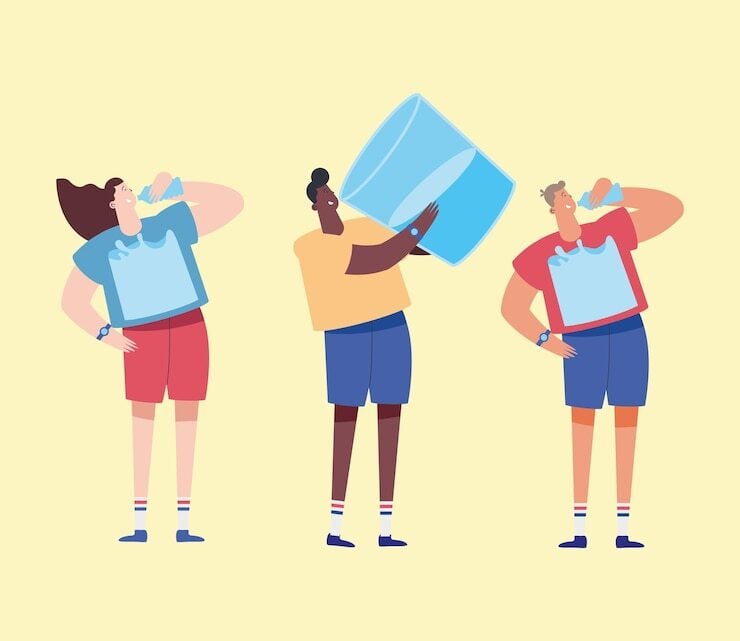
While many believe that eight glasses of water a day is the standard, the actual amount needed differs from one person to another. The Institute of Medicine suggests a daily fluid intake of around 13 cups (about 3 liters) for men and approximately 9 cups (just over 2 liters) for women. They recommend 9 cups (just over 2 litres) of fluid daily for women. Pregnant women should consume roughly ten glasses of water every day, and breastfeeding mothers require approximately 12 cups. You’ll need to increase your fluid intake to stay hydrated when you’re in hot weather or doing activities that make you sweat. The same is true if you experience vomiting, diarrhoea, or fever due to your illness.
You might need to restrict your fluid consumption if you suffer from a condition like heart failure or kidney disease. Consuming high amounts of coffee or other caffeinated drinks may cause you to urinate more frequently, leading to greater fluid loss. Consuming excessive coffee or caffeinated drinks may lead to greater fluid loss due to increased urination. If you eat many salty, hot, or sweet foods, you should probably drink more water. If your meals are low in water-rich foods like fruits and vegetables, you may need to compensate by drinking more water.
How Much Water Should Children Drink a Day?
Like adults, the amount of water children require is influenced by various factors, including age, weight, and gender. Other factors include the climate where they live, their health, and their activity level. Babies younger than 6 months obtain all the fluids they require from breast milk or formula. Additionally, you can provide small amounts of boiled and cooled water if needed. Once your baby becomes 6 months old, you can offer a little water, around 4 to 8 ounces per day, or about half to one cup. You can use an open cup, a sippy cup, or one with a straw to help your baby practice drinking.
Children aged 4 to 8 should drink about 40 ounces of water daily, which equals 5 cups. As they grow, their needs increase. Kids between 9 and 13 years old are advised to consume 56 to 64 ounces daily, or around 7 to 8 cups. Teens aged 14 to 18 should aim for 64 to 88 ounces of water daily, which equals approximately 8 to 11 cups.
Benefits
Drinking enough water every day keeps your body healthy and active. It supports many important functions and helps you feel your best. Some key benefits are:
- Supports body functions: Water helps your brain and body work properly. It improves thinking, mood, and energy levels.
- Aids digestion: It helps break down food and absorb nutrients. It also softens stool and prevents constipation.
- Removes waste: Water helps your body get rid of waste through urine, sweat, and bowel movements.
- Keeps body temperature normal: It cools your body through sweating and prevents overheating.
- Improves blood flow: Water helps blood carry oxygen and nutrients to different parts of the body.
- Protects joints and tissues: It keeps joints soft and well-lubricated. It also protects delicate tissues and organs.
- Supports kidney health: Drinking enough water helps prevent kidney stones and urinary infections.
- Maintains fluid balance: It keeps the right balance of fluids and electrolytes in your body.
- Boosts skin health: Water keeps your skin hydrated, soft, and fresh-looking.
- Supports oral health: It helps keep your mouth clean and may reduce the risk of tooth decay.
- May improve overall health: Drinking enough water may help with headaches, weight control, and exercise performance.
Not drinking enough water can lead to dehydration. This can make you feel tired, weak, and unable to focus. Staying well-hydrated helps your body work smoothly every day.
What Counts as Water?
Drinking water, other beverages, and meals are all included in the total water you should consume daily. Be cautious, though, as certain fluids have disadvantages. For instance, while smoothies, juices, and sodas might be hydrating, they can also be rich in calories and sugar.
Water is also found in coffee and tea. These beverages contain caffeine, which can cause you to urinate more frequently. If they make you tense or anxious, reduce them. Although alcoholic drinks contain water, they can promote fluid loss through frequent urination, which may result in dehydration.
Sports drinks contain a lot of water. They also contain electrolytes and carbohydrates, which can aid in water absorption and maintain energy levels. In addition, they help replenish salt lost through sweating during vigorous exercise. Be cautious, as many contain added calories, sugar, and salt. Every mother should know nutrition facts when breastfeeding an infant. Pay close attention to the serving amount, and don’t drink too much.
Sports drinks and energy drinks are different from each other. Energy drinks mostly contain high levels of sugar and caffeine, both of which act as stimulants. Because of these ingredients, many healthcare professionals recommend that children and teenagers avoid them. Lastly, don’t forget to eat! Cucumbers, iceberg lettuce, celery, and watermelon are a few examples of fruits and vegetables that are mostly water. Additionally, they offer a wide range of micronutrients.


How Can I Tell If I’m Drinking Enough Water?
If: Your fluid intake is likely sufficient.
- There isn’t often a thirst.
- Your urine is clear or pale yellow.
- A doctor or nutrition expert can guide you in deciding your daily water intake.
Make water your preferred beverage to avoid dehydration and guarantee that your body receives the required fluids. Drinking some water is a smart idea:
- Both before and after each meal
- Exercise: before, during, and after
- If you’re dehydrated

Percentage of Water Content in Food
| Water Content In Percentage | Food or Drinks |
|---|---|
| 100% | Water |
| 90-99% | Fat-free milk, tea, juicy fruits (e.g., strawberries and cantaloupes), coffee, and vegetables such as lettuce, celery, and spinach |
| 80-89% | Fruit juice, fruits such as apples, pears, and oranges, yoghurt, and vegetables such as carrots, and cooked broccoli |
| 70-79% | Bananas, baked potatoes, avocados, cottage cheese |
| 60-69% | Pasta, beans, fish, peas, ice cream, chicken breasts |
| 30-39% | Cheddar cheese, Bread |
| 1-9% | Nuts, cookies, cereals, and chocolate |
| 0% | Sugars, Oils |
Frequently Asked Questions
1. What happens if you drink too much water?
The kidneys can only eliminate 0.8 to 1.0 litres of water each hour. Drinking more than this can be dangerous. If you drink too much water, your blood sodium levels can become too low. This condition, known as hyponatremia, can be life-threatening.
2. How much water should I drink based on my weight?
For every pound you weigh, you should aim to drink an ounce or more of water each day. For instance, 75 to 150 ounces of water a day would be required if you weighed 150 pounds.
3. Is drinking 4 litres of water a day too much?
Drinking enough water offers several health benefits, but consuming too much in a short period, such as 3 to 4 litres, can lead to water intoxication. On average, the human body needs about two litres of water each day to support a healthy metabolism.
4. Is 64 oz of water a day enough?
Although many people follow the common advice to drink 64 ounces of water a day, this guideline may not suit everyone. Your ideal water intake can depend on factors such as your physical activity, the climate you live in, and your overall health.