 Health
  Find a
  Book an
 Kidney Disease: Causes, Stages, and Treatment Options
March 18, 2026
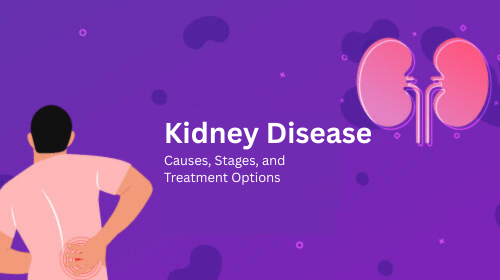
The kidney is the organ that helps us excrete waste products from our bodies to keep us healthy and fit. When a kidney loses its ability to filter the waste from the body, it accumulates dangerous amounts of waste in the body. As a result, the body’s chemicals may get out of balance.
There are still millions of people who don’t know that they have various types of kidney diseases, and this is why it is known as the “Silent Killer.” Most of them don’t have the faintest idea of the disease until it is advanced. As a result, people often get checked for blood pressure, sugar, and cholesterol levels, but ignore a simple test to find out about unidentified kidney problems called the creatinine test, which is done in the blood.
Warning Signs
Only a confirmatory test can be a definitive way to determine a kidney disease, though there are some early warning signs.
- Swelling of Feet, Ankles, or Legs: You will start noticing Edema at sites that pit on applying a lot of pressure. This is known as Pitting Edema. As the kidney starts failing, there is Sodium retention in the body that causes swelling in the shin and ankle portions of the body.
- Periorbital Edema: This is one of the earliest signs of kidney disease. It denotes the swelling around the eyes caused by fluid accumulation in the cells or tissues. This is most commonly seen in people who have lost a significant amount of fluid via the kidneys.
- Decreased Appetite: Secondary to the accumulation of Urea, creatinine, and acids, the appetite of the individual decreases drastically. As kidney disease advances, there is a sense of changed taste. This is often said to be metallic by the patients.
- Early Morning Nausea and Vomiting: Another sign of worsening renal functioning is the early morning sensation. This also directly affects the appetite of the person.
- Anaemia: A person might start to look very pale without any sign of physical loss of blood. This is one of the most common symptoms of kidney disease. This also causes weakness and fatigue.
- Foamy Urine or Blood in Urine: A high level of frothiness in urine may indicate the presence of protein. When the filtering mechanism of the body falters, the protein blood cells start to leak out into the urine.
- Dry and Itchy Skin: Dry and itchy skin is a sign of advanced kidney disease. When the kidney fails, toxins tend to accumulate in the body, leading to the sensation of itching.
- High Blood Pressure: Anyone diagnosed with hypertension is prone to having a detailed workup of renal function. As the kidney function deteriorates, sodium and water retention lead to high blood pressure.
- Fatigue: The kidneys support red blood cell production by releasing a hormone known as erythropoietin, or EPO, which helps carry oxygen throughout the body. When the kidney fails, the EPO cells produced are fewer in number. With fewer red blood cells, the muscles and brain tire out very quickly.
- Feeling Cold: Anemia can make you feel cold even in a very warm room.
- Swollen Face: Failing kidneys do not remove the extra fluid that builds up in the body, which causes swelling in the face.
- Food Tastes like Metal: It has been said so by kidney failure patients that food tastes mostly like metal for them.
Causes
Kidney damage can result from chronic conditions, lifestyle choices, and harmful habits.
1. Chronic Health Conditions
- Diabetes & High Blood Pressure: Leading causes of kidney disease.
- Autoimmune Disorders: Conditions like lupus can trigger kidney inflammation.
- Infections & Obstructions: Repeated kidney infections, stones, or urinary blockages can impair function.
2. Lifestyle and Diet
- Excessive Painkillers: Overuse of NSAIDs can harm the kidneys.
- High Salt & Processed Foods raise blood pressure and increase disease risk.
- Dehydration: This can lead to kidney stones and urinary issues.
- Excess Protein & Sugar: Strain kidney function and contribute to diabetes.
3. Harmful Habits
- Smoking & Excess Alcohol: Reduce kidney efficiency and raise blood pressure.
- Sedentary Lifestyle & Poor Sleep: Linked to obesity, high BP, and kidney stress.
Protect your kidneys by staying hydrated, eating a balanced diet, avoiding harmful habits, and managing health conditions effectively.
Different Stages
Kidney disease develops slowly over time. Doctors classify it into stages based on how effectively the kidneys clean waste from the blood. This is measured by the GFR (Glomerular Filtration Rate).
Stage 1 (GFR 90 or above)
Kidneys work normally, but there may be mild damage. Most people do not have symptoms. Tests may show protein in the urine.
Stage 2 (GFR 60-89)
Kidney function is still good, but there is mild damage. Some people may notice slight swelling in the hands or feet.
Stage 3 (GFR 30-59)
Kidneys do not filter waste properly. Waste can build up in the body. This may cause fatigue, swelling, or bone problems.
- Stage 3A: GFR 45–59
- Stage 3B: GFR 30–44
Stage 4 (GFR 15-29)
Kidney damage is severe. Symptoms become more noticeable, such as weakness, swelling, and changes in breath smell.
Stage 5 (GFR below 15)
This is kidney failure. The kidneys can no longer do their job. Waste builds up in the blood, and treatment like dialysis or a transplant is needed.
Early detection and proper care can slow down the progression of kidney disease.
Diagnosis
Doctors use simple tests to check how well your kidneys are working. Early diagnosis helps in better treatment and prevents further damage.
1. Medical history and physical exam
The doctor will ask about your symptoms, family history, and medicines you take. They may also check your body for swelling or other signs.
2. Blood tests
Blood tests help check how effectively your kidneys filter waste from the body.
- Creatinine test: Checks waste levels in the blood
- GFR (Glomerular Filtration Rate): Measures kidney function
3. Urine tests
Urine tests help detect kidney problems. They check for protein, blood, or other abnormal substances in the urine.
4. Imaging tests
Tests such as ultrasound or CT scan provide detailed images of the kidneys. These help find problems like stones, swelling, or tumors.
5. Kidney biopsy
In some cases, doctors collect a small piece of kidney tissue for testing. This helps find the exact cause and severity of the disease. If you have conditions like diabetes or high blood pressure, regular tests can help find kidney disease early.
Treatment & Management
Treatment depends on how serious the disease is. The main goal is to slow down damage, manage symptoms, and keep the kidneys working as long as possible.
1. Lifestyle changes
Healthy habits can protect your kidneys:
- Eat a low-salt and balanced diet
- Stay physically active
- Control blood sugar and blood pressure
- Quit smoking and limit alcohol
2. Medications
Doctors may give medicines to manage symptoms and slow disease:
- Blood pressure medicines
- Diuretics to remove extra fluid
- Medicines for anemia and bone health
- Drugs to control cholesterol and minerals like phosphorus
3. Diet management
You may need to limit salt, protein, potassium, and phosphorus. A proper diet reduces the load on your kidneys.
4. Dialysis
If kidneys stop working properly, dialysis helps remove waste from the blood.
- Hemodialysis: It uses a machine to filter and clean the blood.
- Peritoneal dialysis: It uses the lining of the abdomen to remove waste from the blood.
5. Kidney transplant
In severe cases, a healthy kidney from a donor replaces the damaged one. This is a long-term treatment option.
6. Treat the underlying cause
Managing conditions like diabetes or high blood pressure is very important to prevent further kidney damage. Routine check-ups and timely treatment can help you live better and delay the worsening of kidney disease.
How Can I Check My Kidney Problems at Home
- Simple Urine Test: Albumin is not usually present in urine. This test kit helps find out the presence of albumin in urine, which is a sign of kidney failure.
- Smartphone-Enabled Home Urinalysis Device or Dip.io test: This device from a smartphone helps users conduct a urinalysis at home and share the results with their doctors.
- Clinical Symptoms: The colour of the urine, presence of blood, or foul odour can be monitored along with a regular blood pressure chart.
Prevention
You can help prevent kidney disease by adopting healthy daily habits. Key steps include managing blood pressure and blood sugar, following a nutritious diet, staying physically active, avoiding tobacco, and using painkillers with care. Routine medical check-ups can identify early indicators of kidney problems.
When to See a Doctor
Consult a doctor if you notice ongoing symptoms such as swelling, tiredness, or unusual changes in urination. Detecting the condition early with blood and urine tests can help avoid complications and slow the progression of the disease. If you have risk factors such as diabetes or high blood pressure, discuss routine kidney function tests with your doctor.