 Health
  Find a
  Book an
 Neuropathic Pain (Nerve Pain): Causes, Symptoms & Treatment
March 18, 2026
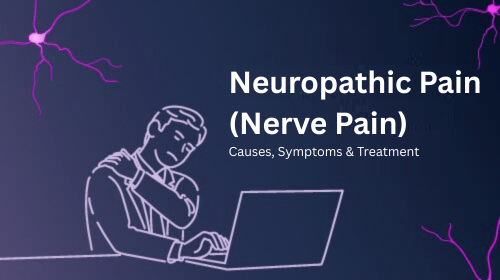
Neuropathic pain may arise when the nervous system is damaged or not working correctly. Pain can be felt at any nervous system level, including the peripheral nerves, spinal cord, and brain. The spinal cord and brain form the core components of the central nervous system. Peripheral nerves run through the rest of your body to organs, arms, legs, fingers, and toes.
Neuropathy is a malfunction or modification in one or more nerves. Diabetes accounts for approximately 30% of all neuropathy cases. It is not always convenient to determine the cause of neuropathic pain. This type of pain is associated with hundreds of diseases.
Types
Neuropathic pain can affect different nerves in the body. The type depends on which nerves are damaged.
1. Peripheral neuropathic pain
This affects nerves outside the brain and spinal cord. It usually occurs in the hands, feet, arms, or legs. Diabetes is a common cause.
2. Central neuropathic pain
This happens when there is damage in the brain or spinal cord. It may occur after a stroke, injury, or conditions like multiple sclerosis.
3. Focal neuropathy
This involves damage to a single nerve. It often affects the head, hand, torso, or leg. It can cause sudden pain or weakness in one area.
4. Autonomic neuropathy
This affects nerves that control internal organs. It can disturb functions like digestion, breathing, and bladder control.
5. Diabetic neuropathy
This type is caused by long-term high blood sugar. It damages nerves, especially in the feet and legs.
6. Compression neuropathy
This occurs when a nerve is pressed or trapped. A common example is carpal tunnel syndrome, which affects the wrist and hand.
7. Phantom limb pain
This happens after amputation. A person feels pain in a body part that is no longer present.
8. Trigeminal neuralgia
This affects a nerve in the face. It causes severe facial pain during simple actions like brushing teeth or washing the face.
9. Postherpetic neuralgia
This is a complication of shingles. It causes long-lasting pain in areas where the rash appeared.
10. Radiculopathy
This affects nerves near the spine. It can cause pain in the chest, abdomen, or back.
Causes
Nerve pain can occur when there is damage or dysfunction in the brain, spinal cord, or the nerves that carry signals to muscles and organs. It often stems from a medical condition or physical trauma.
- Alcoholism
- Diabetes
- HIV infection or AIDS
- Central nervous system disorders like stroke, Parkinson’s disease, multiple sclerosis, etc.
- Complex regional pain syndrome
- Improper blood supply to your nerves
- Phantom limb pain after an amputation
- Vitamin B12 deficiency
- Stroke
- Shingles
- Carpal Tunnel Syndrome
Symptoms
Nerve pain is often characterised by sharp, stabbing, or burning sensations. It can be as strong and unexpected as an electric shock at times. People who suffer from neuropathic pain are often extremely sensitive to touch or cold. They may encounter discomfort due to stimuli that would not generally be excruciating, such as brushing their skin. Nerve pain frequently interferes with essential aspects of life, such as sleep, sex, work, and exercise.
There may be numerous other symptoms when it comes to neuropathic pain, which include:
- Pain without stimulation: Tingling, numbness, or a “pins and needles” sensation; shooting, burning, stabbing, or electric shock-like pain.
- Evoked pain: Pain caused by non-painful stimulation such as cold, gentle skin brushing, pressure, etc. This is known as allodynia. Evoked pain can also refer to increased pain caused by generally painful stimuli such as pinpricks and heat.
- Sleeping difficulties and emotional issues as a result of sleep disruption and pain.
- An unpleasant, unusual sensation that occurs spontaneously or is induced (dysesthesia).
- Pain that is reduced as a result of an ordinarily painful stimulus (hypoalgesia).
Other conditions can cause nerve pain.
Sciatica is caused by pressure on the nerves in the lower back, causing pain down the leg. Tingling sensations, leg numbness, or muscle weakness may occur along with the pain.
Fibromyalgia is a long-term pain condition marked by burning or aching sensations in different areas of the body. While its exact cause remains unclear, it may be triggered by factors like emotional stress, poor sleep, and genetics.
Peripheral neuropathy develops due to injury or damage to the peripheral nerves, which transmit signals between the brain, spinal cord, and the rest of the body. It is often associated with conditions such as diabetes, autoimmune diseases, and other health disorders.
Diagnosis & Tests
Your doctor will take your health information and perform a physical exam. If your provider knows or suspects that you have nerve damage, they will recognize typical nerve pain symptoms. Your provider will then attempt to identify the underlying cause of your neuropathy and track down the symptoms.
Treatment
The primary purpose of the treatments is:
- Treat the underlying condition
- Offer pain relief
- Keep the functionality
- Enhance your quality of life
Treating neuropathic pain often requires a combination of approaches, such as medication, physical therapy, psychological support, and sometimes surgery.
Medicines that are usually prescribed for neuropathic pain are anti-seizure drugs, namely:
- Gabapentin (Neurontin)
- Pregabalin (Lyrica)
- Topiramate (Topamax)
- Carbamazepine (Tegretol)
- Lamotrigine (Lamictal)
Doctors also prescribe antidepressants like:
- Amitriptyline (Elavil)
- Nortriptyline (Pamelor)
- Venlafaxine (Effexor)
- Duloxetine (Cymbalta)
Getting an anti-seizure or antidepressant-prescribed medication from your pain specialist does not imply you have seizures or are depressed. However, chronic pain can be exacerbated by anxiety or depression.
Painful areas can be treated with topical options like lidocaine or capsaicin patches, creams, or ointments. Opioid painkillers are generally less effective for neuropathic pain and may not be suitable for long-term use due to their potential side effects.
Pain specialists can also administer nerve blocks, which include doses of steroids, local anesthetics, or other medications into the nerves. In addition, spinal cord stimulation, peripheral nerve stimulation, and brain stimulation can be used to treat neuropathic pain that has not responded to previous therapies.
Non-Medicine Method
Non-pharmaceutical treatments can help people understand and cope with pain. They are as follows:
- Being educated and getting the right guidance
- Exercising regularly
- Acupuncture
- Techniques for relaxation
- Psychological treatments that can help you feel more in charge of your pain and less distressed
- Transcutaneous Electrical Nerve Stimulation (TENS) to prevent pain sensations from reaching your brain
People suffering from chronic pain may find it beneficial to visit a multidisciplinary pain clinic where health professionals can devise a personalized pain management plan. A doctor’s referral is required to attend a pain clinic. The Pain Australia website has a list of pain services.
Prevention
You cannot always prevent nerve pain, but you can reduce the risk with simple steps:
- Manage health conditions: Keep diseases like diabetes under control and follow your doctor’s advice.
- Eat a balanced diet: Include fruits, vegetables, whole grains, and Vitamin B12-rich foods like eggs, fish, and dairy.
- Exercise regularly: Stay active at least 30 minutes, a few times a week.
- Avoid harmful habits: Stop smoking and limit alcohol. Avoid toxic chemicals.
- Maintain a healthy weight: This helps reduce pressure on nerves.
- Control blood sugar (if diabetic): Monitor levels, follow your diet, take medicines, and check your feet regularly.
Frequently Asked Questions
1. What is the most common cause of nerve pain?
A physical injury or disease usually causes it. Nerve pain is most often caused by degenerative disc or joint diseases affecting the spine, spinal cord, or by compressed nerves. A herniated disc is another common source. Additionally, nerve pain can result from cancer or other types of tumors.