 Health
  Find a
  Book an
 Gout: Causes, Symptoms, Diagnosis, and Management
April 8, 2026
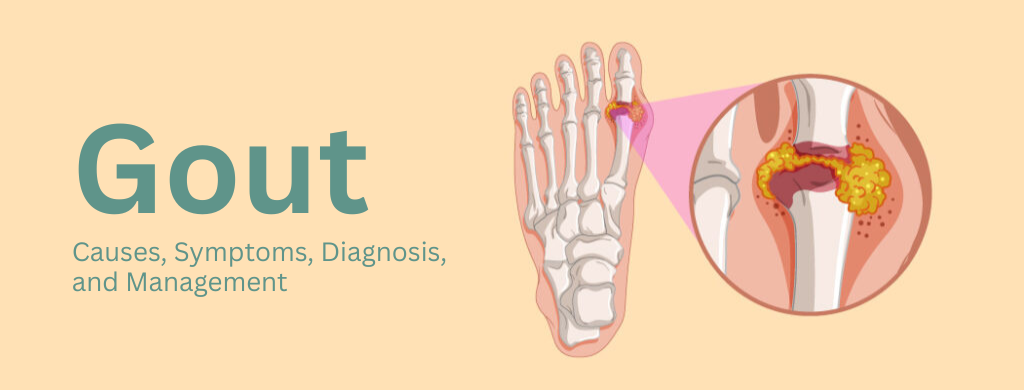
Gout is a form of arthritis caused by uric acid crystals accumulating in the joints. This painful condition primarily affects the big toe but can also impact the ankle, knee, wrist, and elbow. Gout occurs when the body either produces excess uric acid or doesn’t eliminate it efficiently, causing sharp crystals to form in the joints, which leads to inflammation, swelling, and severe pain.
Symptoms
Gout symptoms often appear suddenly, usually at night, and can be intense.
- Severe Joint Pain: Gout commonly affects the big toe but can also impact the ankles, knees, elbows, wrists, and fingers. The pain is most intense within the first 4 to 12 hours.
- Ongoing Discomfort: Even after the sharp pain subsides, joint discomfort may persist for days or weeks. Future attacks may last longer and involve multiple joints.
- Inflammation and Redness: The affected joint becomes swollen, tender, warm, and visibly red.
- Reduced Mobility: As gout progresses, joint movement may become increasingly difficult.
How Long Does a Gout Attack Last?
A gout attack usually lasts for several days to a week, but in some cases, it can persist for several weeks. The intensity and length of a gout attack can differ based on the individual, the joint involved, and how well the treatment works.
Causes
As said earlier, the main cause of gout is uric acid production in the body. Uric acid is a waste product generally eliminated from the body through the kidneys. When the body generates excessive uric acid or the kidneys can’t eliminate it effectively, sharp crystals may develop in the joints. Several factors can raise the risk of gout, such as genetics, obesity, high blood pressure, diabetes, and kidney problems.
Some foods can raise the risk of developing gout or provoke flare-ups. These include:
- Organ meats: liver, kidney, and sweetbreads
- Seafood: anchovies, sardines, mussels, and herring
- Red meat: beef, lamb, and pork
- Sugary drinks: soda and sweetened fruit juices
- Alcohol: beer and spirits
Risk Factors
- Genetics: Having a family history of gout raises your likelihood of developing the condition.
- Obesity: Excess body weight or obesity can heighten the risk of developing gout.
- High blood pressure: Hypertension can lead to an increase in uric acid in the body.
- Diabetes: Those with diabetes face an increased likelihood of experiencing gout.
- Kidney disease: Impaired kidney function can lead to the buildup of uric acid in the body.
- Alcohol: Excessive consumption of alcohol can potentially cause gout.
Diagnosis
Doctors diagnose gout by checking your symptoms and examining the affected joint. They will ask when the pain started and if it comes and goes. They may also review your medical history, diet, and family history.
To make a clear diagnosis, your doctor may recommend a few tests:
- Joint fluid test: A small sample of fluid is taken from the painful joint and checked for uric acid crystals. This is the most accurate test.
- Blood test: Checks the amount of uric acid present in your blood. However, levels may be normal in some cases of gout.
- Imaging tests: X-rays, ultrasound, or CT scans can help detect crystal buildup and rule out other conditions.
These tests also help rule out other causes of joint pain, such as infection or other types of arthritis.
Treatment
Treatment for gout focuses on reducing pain during attacks and preventing future flare-ups.
Medications
Doctors may prescribe medicines to control pain and swelling, such as:
- NSAIDs (like ibuprofen) to reduce pain and inflammation
- Colchicine to ease swelling, especially when taken early
- Corticosteroids to quickly control severe inflammation
To prevent future attacks, your doctor may suggest medicines that lower uric acid levels, such as allopurinol, febuxostat, or probenecid.
Lifestyle changes
Simple daily habits can help manage gout:
- Drink plenty of water
- Cut down on purine-rich foods like red meat and seafood
- Limit alcohol and sugary drinks
- Maintain a healthy weight with regular exercise
Home care
During a gout attack:
- Rest the affected joint
- Apply ice to reduce swelling
- Keep the joint raised if possible
With proper treatment and healthy lifestyle changes, gout can be well controlled and flare-ups can be reduced.
Who Should I See for Gout, and When?
If you suddenly develop intense joint pain, swelling, and redness, it’s important to promptly consult a primary care doctor, rheumatologist, or orthopedic specialist. Gout is often painful and disabling, but early treatment can ease symptoms and help prevent future flare-ups. Additionally, people with a family history of gout, obesity, high blood pressure, diabetes, or kidney disease may be at increased risk and should discuss the condition with their healthcare provider.
Frequently Asked Questions
1. Is gout a serious disease?
Yes, gout can be a severe disease if left untreated or if it is not appropriately managed. Over time, repeated gout episodes can cause joint damage, leading to chronic pain and disability. Gout is also associated with other health issues, including kidney disease, hypertension, and cardiovascular conditions.