 Health
  Find a
  Book an
 How to Cope with Depression on Your Own
April 7, 2026
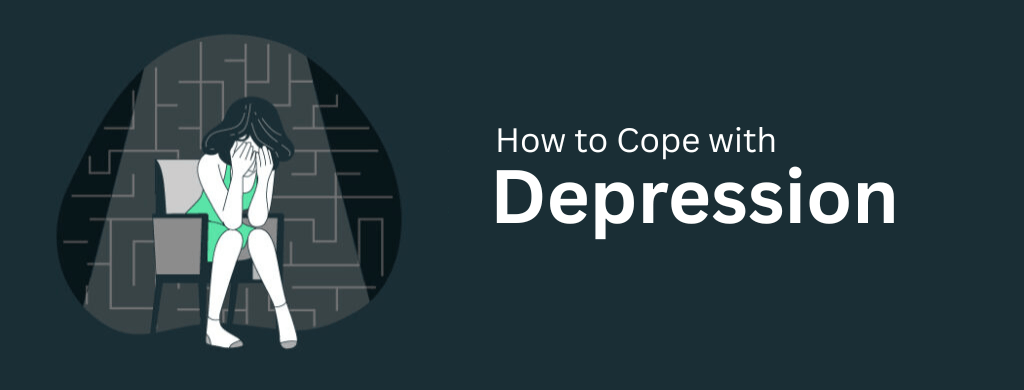
You may feel powerless when depressed. You aren’t alone. You can do many things on your own to battle back, in addition to therapy and medication. Natural depression remedies include altering your physical activity, way of living, and even your way of thinking.
Symptoms
Depression can affect how you feel, think, and act. The symptoms may be mild or severe and can differ from person to person. They usually last for weeks and can affect daily life.
Common symptoms include:
- Feeling sad, empty, or hopeless most of the time
- Losing interest in activities you once enjoyed
- Feeling tired and having low energy
- Trouble sleeping or sleeping too much
- Changes in eating habits, which may cause weight gain or weight loss
- Difficulty thinking, concentrating, or making decisions
- Feeling worthless, guilty, or having low self-esteem
- Feeling anxious, restless, or easily irritated
- Moving or speaking more slowly than usual
- Unexplained physical problems like headaches or body pain
In some cases, people may also have thoughts of death or self-harm.
Depression can also affect daily life. You may avoid social activities, struggle at work or school, or find it hard to manage relationships.
In children and teenagers, symptoms may include irritability, poor school performance, or avoiding friends. In older adults, signs may be less obvious, such as memory problems, tiredness, or loss of interest in activities.
If these symptoms last for more than two weeks and affect your daily life, it is important to seek help.
Coping with Depression
You can start feeling better right away by incorporating these suggestions into your routine.
1. Establish a Schedule
You need a schedule if you’re depressed. Depression can make life feel unstructured, with days starting to feel the same and blend together. An easy daily plan can assist you in getting back on track.
2. Set Targets
When you’re depressed, you might think you can do nothing. You start to feel worse about yourself as a result. Make daily objectives for yourself in order to push back. Begin simple. Set a realistic objective for yourself, such as doing the dishes every other day. You can increase the difficulty of your everyday goals as you begin to feel better.
3. Exercise
Endorphins, which are feel-good hormones, are temporarily increased. People with depression might also benefit over the long run from it. Regular physical activity appears to stimulate the brain to positively rewire itself. To receive an advantage, you don’t have to run marathons. Even just a few weekly walks can be beneficial.
4. Eat well
There isn’t a special food that will make you happy again. However, it’s important to pay attention to your diet. Managing your eating habits can help improve your mood, especially if depression leads to overeating. Research indicates that including foods high in folic acid and omega-3 fatty acids, like spinach and avocado, might support a better mood, but the results are not fully confirmed.
5. Get Adequate Rest
Lack of sleep can make it hard to feel rested, and poor sleep may worsen feelings of depression. Make some living adjustments to start. Go to bed and wake up at the same time each day. Avoid taking a nap. Remove all sources of distraction from your bedroom, including the internet and TV. Your sleep may get better over time.
6. Take on Commitments
When you’re desperate, you might want to withdraw from society and abdicate your duties at work and home. Maintaining an active lifestyle and taking on regular duties can help you fight depression. They help you feel grounded and accomplished.
It’s okay if you can’t handle full-time employment or school. Consider working part-time. If that seems excessive, think about volunteering.
7. Discard Negative Thoughts
Changing your thought process is a big part of the battle against depression. When you’re depressed, you automatically draw the worst inferences.
Use reasoning as a natural depression treatment the next time you’re having a bad self-esteem moment. Even though you might think no one respects you, is there any solid proof of that? Even though you may feel like the most worthless person in the world, is that really the case? With exercise, you can eventually stop those negative thoughts before they spiral out of control.
8. Before Using Supplements, Consult Your Doctor
There is encouraging research on some supplements for depression. These consist of folic acid and fish oil. However, more study is required. Before beginning any new supplement, particularly if you’re already taking medication, always consult your doctor.
9. Try Something Fresh
You’re stuck in a rut when you’re depressed. Encourage yourself to try something new.
- Visit a museum.
- Read a used novel while sitting on a park bench.
- Help out in a cooking kitchen.
- Attend a language course.
- Chemical alterations occur in the brain when we push ourselves to do a new thing.
- Dopamine, a brain substance linked to pleasure, enjoyment, and learning, is altered when we try something new.
10. Try to Have Joy
Make time for your favourite hobbies if you’re feeling down. You have to put effort into having pleasure, as strange as that may sound. Even if they seem like a burden, schedule activities you once enjoyed. Continue to see videos. Continue having dinner out with friends.
11. Avoid Alcohol and Other Drugs or Substances
Substance use is common in people with depression. You may feel tempted to use alcohol, marijuana, or other drugs to cope with your symptoms. It’s unknown whether alcohol and drug use contribute to depression. However, ongoing substance use can affect how your brain works, worsen current mental health problems, and may even lead to new ones.
It’s possible to lose the ability to appreciate life when you’re depressed. You must learn how to do it again. Fun activities will eventually feel enjoyable once more.
12. Recognise and Appreciate Your Efforts
All objectives are deserving of honour, and all accomplishments are cause for joy. Try your best to acknowledge when you reach an objective.
Recognising your own accomplishments can be a very effective tool against depression’s negative effects, even if you don’t feel like throwing a party with cake and fireworks.
It may be particularly effective to resist unhelpful speech and over-generalisation with memories of a job well done.
13. Recognise the Truth in Your Feelings
It might seem like a wise move to compartmentalise and suppress your emotions in order to deal with the challenging depression symptoms. However, this method is eventually harmful and ineffective.
Recognise if you’re experiencing a bad day. As you become aware of and name your emotions, strive to direct your attention toward taking part in constructive activities rather than dwelling on them.
Understanding how depressive symptoms come and go can be helpful for self-healing and clinging to optimism.
14. Spend Some Time with Nature
A person’s mood can be greatly influenced by time spent in the environment. According to research, those who suffer from clinical depression may benefit from taking walks outdoors.
Spending time outdoors may enhance mood and cognition while reducing the chance of mental health disorders. Stroll through the woods at lunchtime, spend some time in your neighbourhood park, or schedule a weekend trek. While getting some sun, these pursuits can help you reconnect with nature.
15. Lift Your Mood with Music
Some evidence suggests that listening to music can lift your mood and help lessen symptoms of depression. It may also boost your ability to experience positive emotions. Engaging in group music activities, like playing in a band or ensemble, can be especially beneficial. However, simply listening to music can also provide similar benefits.
16. Connect with Loved Ones
Depression might make you feel like isolating yourself, but being around trusted friends and family can help improve your mood. If meeting in person isn’t possible, a phone call or video chat can still provide comfort. Keep in mind that your loved ones care about you, and staying socially connected benefits both you and them.
17. Embrace Meditation for Balance
Managing stress and anxiety can ease depression symptoms and bring more joy into your day. Relaxation techniques like meditation, yoga, deep breathing, and journaling can enhance well-being and help you stay present. Practising mindfulness can create a sense of peace and help you stay aware of your surroundings.
Which Doctor to Consult for Depression
Psychiatrists and psychologists both treat patients with depression. Still, there are differences in their education, experience, and approach to mental health treatment that should be taken into consideration before committing to a doctor.
Frequently Asked Questions
1. Is there a way to completely cure depression?
While there is no single cure for depression, many treatment options can help reduce symptoms and improve your quality of life.
2. What is the difference between anxiety and depression?
Anxiety is marked by intense worry and fear about what lies ahead, often causing a sense of unease and tension. Depression causes persistent sadness, hopelessness, and low energy, often with a loss of interest in activities. Anxiety is about heightened worry, while depression is about feeling down and numb.