 Health
  Find a
  Book an
 IUI (Intrauterine Insemination): A Complete Guide to Fertility Treatment
October 3, 2025
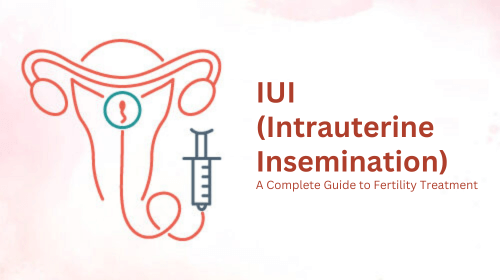
Intrauterine insemination (IUI) is a fertility process where a doctor gently places prepared sperm directly into the uterus using a thin, flexible tube. You might also hear it referred to as donor insemination, artificial insemination, or alternative insemination. The goal of IUI treatment is to improve the chances of pregnancy by helping more healthy sperm get closer to the egg, right when you’re most fertile.
In a natural cycle, sperm have to make a long journey from the vagina, through the uterus and cervix, and up into the fallopian tubes. IUI helps by skipping some of that trip and placing the best sperm right inside the uterus, giving them a better shot at meeting the egg and starting a pregnancy.
IUI offers potential benefits for:
- Couples facing infertility caused by conditions like endometriosis or low sperm count/quality
- Couples with unexplained infertility
- Same-sex female couples using donor sperm
- Single women choosing to conceive with donor sperm
- Women with a semen allergy
Many people opt for IUI since it’s a simpler and more cost-effective option compared to IVF.
Preparation for the Procedure
If you are wondering how intrauterine insemination (IUI) works, refer to the following steps.
1. Tracking Ovulation
Since timing plays a vital role in IUI, monitoring ovulation is essential. You may use an at-home urine ovulation predictor kit to witness a surge in luteinizing hormone (LH), which initiates the release of an egg. Alternatively, your doctor might perform a transvaginal ultrasound to track egg development and monitor the ovaries. At times, your doctor might administer a human chorionic gonadotropin (HCG) injection to induce ovulation at the optimal moment.
2. Timing the Procedure
IUI typically takes place one to two days after signs of ovulation appear. Your healthcare provider will give you a clear schedule to follow, ensuring the insemination occurs during your most fertile window.
3. Preparing the Sperm Sample
On the day of the procedure, your partner will provide a fresh semen sample at the clinic, or the medical team will thaw a vial of frozen donor sperm. The lab then performs “sperm washing” on the sample to isolate the healthiest, most active sperm. This process removes low-quality sperm and any substances that might trigger uterine cramping. Using a concentrated sample of high-quality sperm boosts the chances of successful fertilisation.
Treatment: How is it Done?
You may take fertility medications to help make your eggs mature and ready to be fertilised before undergoing in vitro fertilisation (IVF). The insemination procedure is carried out by your doctor during your ovulation window. Sometimes, you will be given hormones that can cause ovulation. The fertility specialist will be able to determine when you are most likely to conceive and will take appropriate measures to increase your chances of conception.
A semen sample is provided by your partner or donor, either at home or at the doctor’s clinic. The sperm is prepared for insemination by being washed to remove a concentrated amount of healthy sperm. Sperm washing also removes chemicals that might irritate the uterus and interfere with conception. If donor sperm is obtained from a sperm bank, it’s typically sent to the doctor’s office, where it is “washed” and prepared for insemination.
The doctor will slide a thin, flexible tube through your cervix into your uterus during the IUI procedure. Then, they use a small needle to inject sperm directly into your uterus. Pregnancy happens when a sperm fertilises an egg, and the fertilised egg implants in the lining of your uterus.
The insemination process is done at a doctor’s office or a fertility clinic and typically takes about 5-10 minutes. It’s fast, and you don’t need anaesthesia. IUI is usually painless, but some people may experience mild cramping.
What are the Risks?
The IUI procedure carries a minimal risk of infection. However, because your doctor uses sterile instruments, infections are rare.
When ovulation-inducing medications are used, there’s a possibility of conceiving multiples. Fertility medications may trigger the release of multiple eggs, increasing the chance of a multiple pregnancy. Your doctor will carefully adjust medication doses and use blood tests and ultrasounds to prevent the release of too many eggs at once.
Sometimes, fertility medications can cause the ovaries to over-respond, leading to ovarian hyperstimulation syndrome. Many eggs may be ready to be released at one time. In some cases, ovarian hyperstimulation syndrome (OHSS) can cause fluid accumulation in the chest and abdomen, kidney issues, blood clots, or ovarian torsion.
If you are using fertility medications for IUI and notice any of the following symptoms, contact your doctor immediately.
- Dizziness or lightheadedness
- Sudden weight gain
- Shortness of breath
- Nausea and vomiting
- Severe abdominal or pelvic pain
- A sudden increase in abdominal size
Common Side Effects
Some people experience some mild side effects from fertility medications. Cramping and light spotting are the most common side effects following insemination. The process of IUI can be challenging both mentally and physically. Many couples or individuals struggling with infertility issues and seeking assisted reproductive technologies often experience depression. If you feel stressed or overwhelmed, reach out to your healthcare provider for support during the process.
Frequently Asked Questions
1. What happens after an IUI procedure?
After undergoing IUI, you will usually wait around two weeks before taking a pregnancy test. During this waiting period, you may notice mild symptoms such as light cramping, spotting, fatigue, breast tenderness, or bloating. These signs can sometimes suggest that implantation has occurred, and pregnancy may be underway.
2. What is the success rate for IUI treatment?
The success rate of intrauterine insemination (IUI) usually falls between 10% and 20% per cycle. However, this rate can vary based on personal factors, including your age, any underlying fertility conditions, and the quality of the sperm used.
3. What is the difference between IUI babies and normal babies?
Yes, babies conceived through IUI are just as healthy and well-developed as those conceived naturally. There is no difference in their physical or mental growth. The only thing that sets them apart is how they were conceived, not who they are or how they develop.
4. How much sperm is used for IUI?
The minimum sperm count required for IUI is 5 to 10 million motile sperm per millilitre.
5. What is the difference between IVF and IUI?
IUI and IVF differ mainly in where fertilisation takes place. In IUI, sperm are collected, washed to select the healthiest ones, and then inserted directly into the uterus during ovulation. Fertilisation happens naturally inside the fallopian tube. In IVF, eggs are taken from the ovaries and combined with sperm in a lab, and the formed embryo is later implanted into the uterus. IUI is generally less invasive and less costly, but it also has a lower success rate per cycle compared to IVF.