 Health
  Find a
  Book an
 Interstitial Lung Disease (ILD): Types, Symptoms, Diagnosis, and Treatment
January 8, 2026
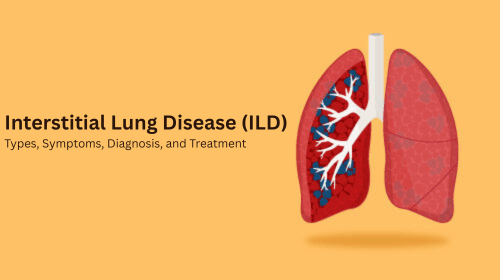
Interstitial lung disease (ILD) is a condition characterised by scarring and inflammation of the interstitium. This scar can stiffen lung tissue and cause respiratory distress, leading to various symptoms like shortness of breath and a persistent dry cough. ILD may be confined to the lungs or associated with conditions affecting other body parts, such as rheumatoid arthritis and sarcoidosis.
These illnesses share common signs, including a dry cough and shortness of breath. Although they may look similar radiographically (on chest X-rays or CT scans of the chest), ILDs of different causes and conditions have different treatments and outlooks. ILD occurs more commonly in adults, but it is rare in children.
Causes
Interstitial lung disease (ILD) occurs when the tissue around the lung air sacs becomes inflamed or scarred. This reduces oxygen flow to the body.
ILD may have unknown causes, called idiopathic ILD. Idiopathic pulmonary fibrosis (IPF) is the most commonly seen form.
ILD can also have known causes, such as:
- Autoimmune diseases like rheumatoid arthritis, lupus, scleroderma, and sarcoidosis
- Long-term exposure to dusts like asbestos, coal, or silica
- Allergic reactions to inhaled mold, fungi, or bird proteins
- Certain medicines, chemotherapy, or chest radiation
- Lung infections, including recovery after COVID-19
- Cigarette smoking, which increases risk and severity
In some people, the exact cause is never found.
Types
The interstitium thickens in all types of interstitial lung disease. This may result from swelling, scarring, or a fluid buildup. Some ILD types are transient (acute), while others are persistent (chronic).
The following are a few forms of interstitial lung disease:
- Pneumonia with interstices: The interstitium can get infected by bacteria, viruses, or fungi. The leading cause is a bacterium called Mycoplasma pneumonia.
- Idiopathic pulmonary fibrosis: The interstitium begins to produce scar tissue. However, experts are uncertain about its underlying cause.
- Nonspecific interstitial pneumonia: It is a lung condition not specifically linked to a particular bacterium or virus. It is mainly seen in individuals with autoimmune diseases like scleroderma or rheumatoid arthritis.
- Hypersensitivity pneumonitis: This disorder occurs when prolonged exposure to dust, mold, or other airborne irritants leads to inflammation in the lungs.
- Genetic ILD: When an illness is passed down through the family, it is called a genetic ILD. These illnesses include Gaucher’s disease and neurofibromatosis, where tumors develop on nerves.
- Cryptogenic organising pneumonia (COP): COP is an interstitial lung illness that resembles pneumonia but isn’t infectious. Your doctor may diagnose this as organized pneumonia and bronchiolitis obliterans (BOOP).
- Acute interstitial pneumonitis: It is a lung infection that can be life-threatening. This is a severe lung disease that can occur suddenly. People with lung disease often need to be connected to a machine called a ventilator that helps them breathe.
- Sarcoidosis: This condition can lead to interstitial lung disease and swollen lymph nodes. Consequently, it can affect the heart, skin, nerves, and eyes.
- Asbestosis: It is an interstitial lung disorder caused by inhaling asbestos fibers, commonly found in building materials.
Signs
Most ILD sufferers experience symptoms that make breathing challenging, such as:
- Breathing difficulty
- Coughing, usually ineffective
- Reduced capacity for exercise
- Fatigue
- Loss of weight
Symptoms
Breathlessness is the most typical symptom of all interstitial lung diseases. It is also a common symptom of ILD and can worsen over time.
The following are other signs of interstitial lung disease:
- Coughing rarely produces mucus and is often dry.
- Loss of weight, most frequently in those with COP or BOOP.
- The majority of ILDs cause slow-moving development of breathlessness (over months). If you have acute interstitial pneumonitis (in hours or days), your symptoms will appear fast.
Stages
Understanding how ILD progresses is key to managing treatment and anticipating outcomes. Although the disease affects individuals differently, it typically advances through the following stages:
- Early Stage: Individuals may experience mild symptoms that barely affect daily life. Lung function tests might show only slight impairment.
- Moderate Stage: Symptoms like a persistent cough, fatigue, and shortness of breath become more noticeable. Lung function tests usually reveal moderate declines.
- Advanced Stage: Symptoms intensify, making everyday tasks difficult. Lung function significantly drops, and oxygen levels in the blood decrease.
Risk Factors
The cause of most interstitial lung diseases is unknown. Bacteria, viruses, and fungi can cause pneumonia, which is a type of lung infection. You may also get ILD if you regularly inhale something that bothers your lungs. These include:
- Asbestos
- Bird proteins (such as those from exotic birds, chickens, or pigeons)
- Coal dust or other various metal specks of dust from mining operations
- Grain dust from agriculture
- Silica dust
- Talc
Diagnosis
Common symptoms of interstitial lung disease include coughing and shortness of breath. Your doctor usually does imaging tests on your lungs to diagnose the issue.
- A Chest X-ray is a common initial examination for individuals with respiratory issues. In cases of interstitial lung disease, thin lines may be visible in the lungs on the X-ray.
- CT scan produces clear images of the lungs and surrounding structures by taking many chest X-rays. Usually, these tests can detect interstitial lung disease.
- A high-resolution CT scan can provide a clearer view of the interstitium, especially if your doctor suspects interstitial lung disease.
- A lung function test is a way to check how well your lungs are working. You sit inside a sealed plastic booth and breathe through a tube to measure how much air your lungs can inhale and exhale. If you have ILD, your lung capacity might be reduced. As a result, you might be less able to supply oxygen from your lungs into your blood.
- A high-definition CT scan, with specific settings, can provide a clearer view of the interstitium if interstitial lung disease is suspected, aiding in diagnosis.
Treatment
There is no complete cure for interstitial lung disease (ILD). Treatment focuses on slowing the disease, reducing symptoms, and improving quality of life. The treatment plan depends on the cause and severity of the disease.
Medications
Doctors may prescribe medicines to reduce swelling and control lung damage. Corticosteroids like prednisone help lower inflammation. Some people receive medicines that suppress the immune system. Drugs such as pirfenidone and nintedanib can slow lung scarring in certain types of ILD. If acid reflux worsens ILD, doctors may give medicines to reduce stomach acid.
Oxygen Therapy
Some people do not get enough oxygen in their blood. Oxygen therapy helps make breathing easier, improves sleep, and supports daily activities. Oxygen is given through a mask or nasal tube at home or during exercise.
Pulmonary Rehabilitation
Pulmonary rehabilitation includes breathing exercises and physical therapy. It helps strengthen the lungs, improve stamina, and make daily tasks easier. It also provides education, emotional support, and nutrition guidance.
Lifestyle Support
Doctors may advise stopping smoking if needed. Learning energy-saving techniques and proper nutrition helps maintain strength and comfort.
Clinical Trials
When standard treatments do not work, some people may join clinical trials to access experimental treatments.
Lung Transplant
Some people with advanced ILD may need a lung transplant. This option is usually considered when other treatments no longer help.
Monitoring and Side Effects
Some treatments can weaken the immune system. Healthcare providers monitor patients closely to manage side effects and prevent complications.
Treatment aims to help people stay active, breathe better, and live as fully as possible.
Complications
Severe interstitial lung disease can lead to serious complications such as high blood pressure in the lungs, respiratory failure, and right-sided heart failure.
Frequently Asked Questions
1. What is the life expectancy of a person with interstitial lung disease?
The current average lifespan for those with this type is 3 to 5 years. With some medicines, depending on how they progress, they may last longer. Other interstitial lung diseases, such as sarcoidosis, can cause patients to live significantly longer.
2. How serious is interstitial lung disease?
Interstitial lung disease (ILD) varies in severity from mild to life-threatening. It damages the lungs permanently, making breathing difficult and lowering oxygen levels, greatly affecting quality of life.