 Health
  Find a
  Book an
 Hyponatremia: Causes, Symptoms, and Home Remedies
March 24, 2026
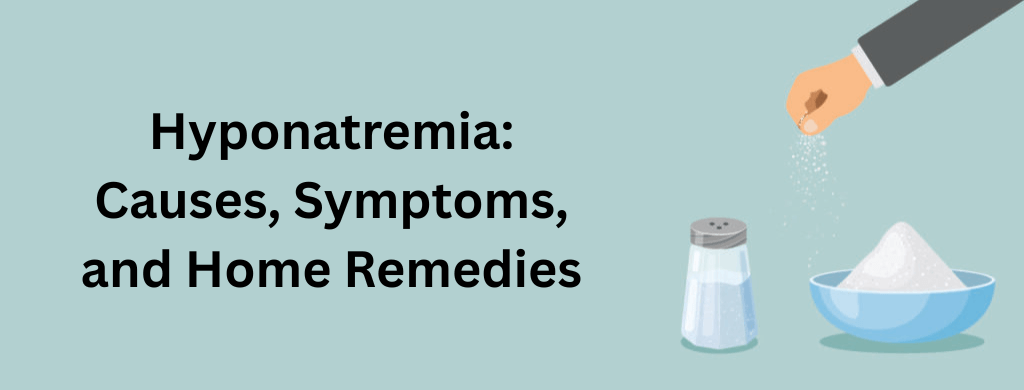
Hyponatremia, also known as low blood sodium, is a condition in which the sodium concentration in the blood is lower than normal. Sodium is a vital mineral responsible for balancing body fluids, enabling nerve communication, and supporting normal muscle and nerve activity. A low sodium level in the blood can cause various symptoms and may result in serious health complications.
Causes
Hyponatremia happens when the level of sodium in your blood becomes too low. This usually occurs due to an imbalance between water and sodium in the body. In most cases, there is too much water in the body, which dilutes the sodium.
Here are the common causes:
- Certain Medications: Water pills (diuretics), antidepressants, and some pain medicines can affect how your body handles water and sodium.
- Excess Water Intake: Drinking too much water can dilute sodium levels, especially during long activities like marathons.
- Health Conditions: Heart failure, kidney disease, and liver disease can cause fluid buildup, which lowers sodium levels.
- Hormonal Problems: Conditions like SIADH, Addison’s disease, and low thyroid levels can disturb fluid and sodium balance.
- Vomiting and Diarrhoea: Severe or prolonged vomiting and diarrhoea can cause the body to lose fluids and sodium.
- Alcohol Use: Drinking too much alcohol can increase fluid loss and affect sodium levels.
- Drug Use: Recreational drugs like MDMA (ecstasy) can lead to serious drops in sodium levels.
- Burns and Injuries: Severe burns can cause fluid loss, which affects sodium balance.
In simple terms, hyponatremia often happens when your body holds too much water or loses too much sodium, leading to an imbalance.
Types
Hyponatremia is categorised based on the relationship between sodium levels and water content in the body. Identifying the type of hyponatremia is crucial for determining its root cause and choosing the right treatment approach. The three main types include:
Hypovolemic Hyponatremia
This occurs when both water and sodium levels in the body decrease, but the loss of sodium is greater than the loss of water. It is frequently related to factors such as profuse sweating, persistent vomiting, diarrhoea, or the use of medications like diuretics.
Euvolemic Hyponatremia
In this type, total body water increases while sodium levels remain unchanged, leading to the dilution of sodium in the bloodstream. This can result from conditions such as Syndrome of Inappropriate Antidiuretic Hormone Secretion (SIADH), severe stress, or the use of certain drugs.
Hypervolemic Hyponatremia
This type involves an overall increase in both water and sodium levels, with water retention being disproportionately higher. It is often linked to conditions like heart failure, liver cirrhosis, or chronic kidney disease, where the body retains more fluid than sodium.
Symptoms
It can range from mild to severe and may include
- Headache
- Dizziness
- Fatigue
- Nausea and vomiting
- Confusion
- Being restless
- Sleepiness
- Getting irritated often
- Increased thirst
- Muscle cramps
- Lethargy
- Seizure
Diagnosis
Doctors diagnose hyponatremia by checking your symptoms, medical history, and test results. Since the symptoms can be similar to other conditions, tests are important to confirm the diagnosis.
- Medical History and Physical Exam: The doctor will ask about your health, medications, alcohol use, and daily habits. They may also do a basic physical check.
- Blood Tests: A blood test is the main way to diagnose hyponatremia. It measures the sodium level in your blood.
Normal sodium levels are usually between 135 and 145 mEq/L. A level below this confirms hyponatremia.
Other blood tests may check sugar, potassium, and kidney function. - Urine Tests: Urine tests help understand how your body is handling sodium and fluids. They can show if your kidneys are losing too much sodium or holding too much water.
- Additional Tests (if needed): In some cases, doctors may use imaging tests like a CT scan or X-ray to identify the underlying cause.
In simple terms, doctors use blood and urine tests along with your medical history to confirm hyponatremia and find its cause.
Treatment
The treatment for hyponatremia varies based on its cause and severity. The main goal is to restore the balance of sodium and water in the body safely.
- Treat the Underlying Cause: Doctors first treat the condition causing low sodium, such as heart, kidney, or liver problems.
- Adjust Medications: If certain medicines (like diuretics) are the cause, your doctor may reduce the dose or change the medicine.
- Limit Fluid Intake: In some cases, reducing how much water you drink can help increase sodium levels.
- Intravenous (IV) Fluids: For severe cases, doctors may give sodium through an IV in the hospital. This helps raise sodium levels slowly and safely.
- Medications: Medicines may be given to control symptoms like nausea, headache, or seizures. Some drugs also help the body remove excess water.
- Regular Monitoring: Sodium levels must be increased slowly. Rapid correction can be dangerous and may harm the brain.
In simple terms, treatment focuses on fixing the cause, balancing fluids, and safely bringing sodium levels back to normal under medical supervision.
Home Remedies to Increase Your Sodium Levels
If you are looking to increase your sodium levels, here are some effective ways to do so:
Increase your Salt Intake
Consuming more salt is the most straightforward way to increase your sodium levels. Salt, also known as sodium chloride, is our diet’s primary sodium source. However, it’s important to understand that excessive salt intake can raise blood pressure, heightening the risk of heart disease and stroke. Therefore, monitoring your salt intake and staying within the recommended daily limits is crucial.
Research suggests limiting sodium intake to no more than 2,300 milligrams per day, roughly equal to one teaspoon of salt. However, if you have certain medical conditions, such as hypertension, diabetes, or kidney disease, you may need to limit your salt intake further.
Speak with your doctor to determine the right amount of salt intake based on your individual health needs.
Consume more Sodium-Rich Foods
In addition to salt, many other foods are naturally high in sodium. These include:
- Processed and canned foods, such as soups, sauces, and snacks
- Cheese and other dairy products
- Meat and poultry
- Seafood, such as shrimp and oysters
- Vegetables, such as beets, carrots, and celery
- Condiments, such as soy sauce and ketchup
- Eat pizza with savoury toppings like olives, cheese, or pepperoni
Incorporating more of these foods into your diet can help increase your sodium levels. However, it is essential to pay attention to the nutritional value of these foods and consume them in moderation.
Drink Sports Drinks or Electrolyte Solutions
If you have low sodium levels due to excessive sweating or dehydration, sports drinks or electrolyte solutions such as Gatorade may help increase your sodium levels. These drinks are made up of water, sugars, and essential electrolytes like sodium, potassium, and chloride. Their purpose is to restore fluids and electrolytes lost through exercise.
It is important to keep in mind that certain sports drinks are high in sugar, which may cause weight gain and other related health concerns. Look for sports drinks with balanced electrolytes and low sugar content. As a healthy alternative, you can prefer drinking coconut water to stay hydrated.
Manage Underlying Medical Conditions
In conclusion, if an underlying health problem, such as kidney disease or adrenal insufficiency, is causing low sodium levels. In that case, managing the condition to increase your sodium levels is essential. Treatment may include medications, dietary adjustments, or other therapies based on the particular condition.
Drinking Vegetable Juice
Drinking vegetable juice, such as tomato juice, can be an easy way to meet your daily fruit and vegetable intake. However, it’s important to note that many packaged vegetable juices have added salt, which increases sodium levels. Therefore, fresh vegetable juice is recommended as it naturally contains healthy amounts of sodium, which can benefit your body in various ways.
You can also drink broth or bouillon, which is a good source of sodium.
Canned Vegetables
Canned vegetables are another option, but they often contain high levels of salt. To reduce the salt content, you can drain and wash them for a few minutes, which may lower their sodium levels by 9-23%. Nonetheless, fresh vegetables are always a better choice, and if you opt for canned vegetables, be sure to clean them properly.
For instance, a 100g serving of canned peas contains around 250mg of sodium, which is approximately 30-40% of the recommended daily value (DV). Similarly, a 100g serving of canned asparagus contains around 700mg of sodium, which is also 30-40% of the DV. Hence, consuming fresh vegetables is highly recommended over canned vegetables.
When to Seek Medical Assistance?
Seek consultation with a nephrologist if severe symptoms of hyponatremia occur, including nausea, vomiting, confusion, seizures, or loss of consciousness. Additionally, contact your doctor if you are at risk of hyponatremia and experience symptoms like nausea, headaches, cramps, or weakness.
Summary
In summary, keeping a proper sodium balance is vital for your overall health and wellness. If you have low sodium levels, incorporating more sodium-rich foods, consuming sports drinks or electrolyte solutions, and considering sodium supplements can help increase your sodium levels.