 Health
  Find a
  Book an
 Human Circulatory System: Functions, Organs, and Health Tips
September 15, 2025
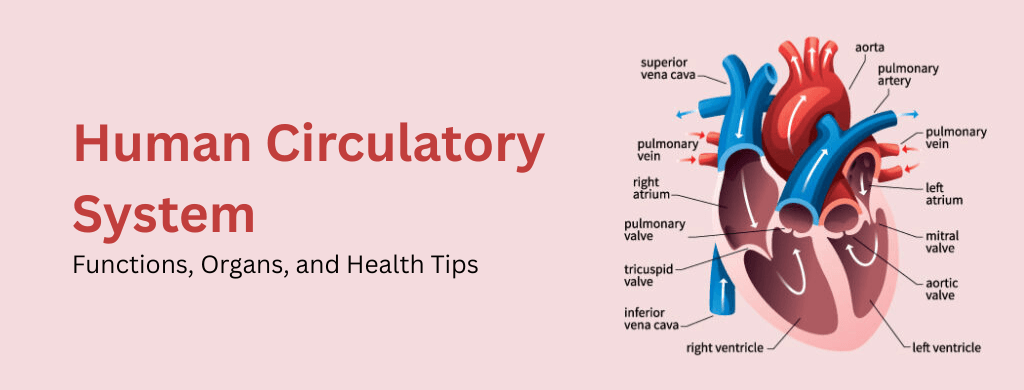
The circulatory system, also called the cardiovascular system, is made up of the heart and blood vessels. Its main role is to carry oxygen, nutrients, and hormones to the body’s cells to support energy, growth, and repair. It also removes waste materials and carbon dioxide from the cells, which are then expelled from the body. This system is essential for keeping muscles, tissues, and organs healthy. The arteries, which carry blood away from the heart, are an important part of this system.
Mechanism of the System
During inhalation, oxygen is absorbed by tiny membranes in the lungs, which permit oxygen to enter the bloodstream. Exhaling causes your lungs to emit carbon dioxide, which is a consequence of the body using oxygen to absorb nutrients.
The circulatory system is regulated by the heart’s constant pressure and the body’s valves. This pressure ensures that blood is delivered to the heart via veins and out of the heart via arteries.
Which are the Circulatory System’s Principal Organs?
The human circulatory system consists of four principal organs, each with a specific role to play. The following are important circulatory system organs:
- Heart
- Blood vessels
- Blood
- System of lymphatics
Heart
The heart, a muscular organ, is situated in the chest cavity between the lungs. It is situated in the thoracic area, somewhat to the left, and is surrounded by the pericardium. Two ventricles, or lower chambers, and two atria, or upper chambers, make up the human heart.
The heart’s right side: Carbon dioxide-laden blood is absorbed by the right atrium, the upper chamber of the right side of the heart. The blood that has lost oxygen is sent by an artery to the lungs, where oxygen is added. The blood that has received more oxygen is returned to the right ventricle, the lower chamber of the heart, after carbon dioxide has been exchanged for oxygen in the lungs.
Left side of the heart: After taking in oxygen from the lungs, blood goes back to the heart. This time, it enters the left atrium first before being pumped into the left ventricle. After that, it is received by the aorta, an artery responsible for supplying oxygenated blood to the remainder of the body. At that point, the blood begins its second trip around the body.
Blood
An essential part of the body’s fluid connective tissue and the human circulatory system is blood. Transporting nutrients, minerals, hormones, and other essential materials to different parts of the body is its main function. Blood flows through a pre-planned network of passages called blood vessels. Blood is pumped by the heart to different parts of the body. Proteins, blood plasma, blood cells, and additional mineral elements, including calcium, potassium, and salt, make up human blood.
Red blood cells (RBC), white blood cells, and platelets make up the solid fraction of blood plasma, which is composed of 90% water.
There are three different types of blood cells in the human body:
- Red blood cells(RBCs)/Erythrocytes: The primary functions of red blood cells include delivering nutrition, oxygen, and other materials to different areas of the body. The body’s waste is also eliminated by these blood cells.
- White blood cells(WBCs)/Leukocytes: Specialized white blood cells serve as the body’s primary defense system. By warding off infections and dangerous microbes, they offer immunity.
- Platelets/Thrombocytes: Platelets are blood cells that aid in clotting and halting bleeding. They take action when a wound or harm has occurred.
Blood Vessels
The network of channels that blood uses to move throughout the body is called the blood vessels. In the body’s circulatory system, there are two main types of blood vessels:
- Arteries: Blood channels called arteries carry oxygenated blood from the heart to other areas of the body. They are made up of capillaries, a tiny network of blood vessels that are thick and elastic. The pulmonary arteries, which deliver blood deficient in oxygen to the lungs, are the lone exception to this rule.
- Veins: Veins are blood channels that transport blood from different parts of the body that have lost oxygen to the heart. They are found nearer the skin’s surface and are elastic, thin, and present. There are only two veins in the body that carry oxygenated blood: the pulmonary and umbilical.
Lymphatic System
Lymph, another bodily fluid, is a component of the human circulatory system. Another name for it is tissue fluid. The lymphatic system, which is made up of a web of related organs, nodes, and ducts, is what produces it.
The colourless fluid known as lymph is made up of proteins, salts, and water. It is responsible for moving absorbed fat and broken-down food particles to the intercellular spaces within tissues. Lymph is not pumped, in contrast to the circulatory system; rather, it passively moves across a web of channels.
Functions
The circulatory system’s primary job is to distribute oxygen throughout the body. The following are some of the human circulatory system’s other essential roles:
- It supports every system of the body.
- It carries hormones, oxygen, carbon dioxide, nutrients, and blood throughout the body.
- Cells are shielded from infections by it.
- It serves as a conduit for communication between cells.
- Blood components aid in the healing of injured tissue.
What are the Types of Circulation in the Heart?
The body regularly experiences three main forms of circulation:
- Pulmonary Circulation: This segment of the cycle transports blood that has lost oxygen from the heart to the lungs and back again.
- Systemic Circulation: This segment transports blood that has been oxygenated from the heart to various bodily areas.
- Coronary Circulation: Blood that has been oxygenated by this kind of circulation helps the heart beat correctly.
What are the Conditions Affecting the Circulatory System?
Several conditions can affect the heart and circulatory system, including:
- Peripheral Artery Dysfunction: Reduced blood flow in the leg arteries is a sign of peripheral arterial disease. Usually, this results from plaque accumulation in the arteries.
- Atherosclerosis: Plaque accumulation in the blood arteries hardens and becomes calcified in this circulatory disorder. Less artery flexibility increases blood pressure and raises the danger of stroke, heart attack, and kidney damage.
- Heart Attack: Heart muscle tissue dies following a heart attack due to a stoppage of blood flow to the heart muscle. Another term for this is myocardial infarction.
- Angina: In angina, there is insufficient blood flow to the heart muscle. Breathlessness, weariness, nausea, and excruciating chest pain result from this.
- Conditions of Mitral Valve: Issues with the mitral valve can result in the backward flow of oxygenated blood in the heart or reduced blood flow due to prolapse or failure of the valve.
- Arrhythmia: An irregular heart rate is referred to as arrhythmia.
- Ischemia: Muscles in this disorder don’t receive enough oxygenated blood from the heart.
- Aortic Disease: The aorta is impacted by several conditions. The aorta becomes weak and protrudes, in case of an aortic aneurysm, for instance.
- High Blood Pressure: High blood pressure can result from obesity, among other factors, and can cause circulatory system disorders.
Easy Habits to Support a Healthy Circulatory System
Following these practices can support the health of your heart and blood vessels.
- Stay active and try to get at least 150 minutes of exercise each week.
- Get enough sleep every night.
- Keep your blood pressure under control.
- Maintain healthy cholesterol levels.
- Stay away from tobacco in all forms.
- Choose heart-friendly foods that are high in fiber and low in saturated fat.
- Maintain a healthy body weight.
- Try to keep your blood sugar stable and within the normal limit.
- Use healthy methods to manage stress.
When to See the Doctor?
The earlier cardiovascular disease is found, the earlier it can be treated and managed. If you have high blood pressure, it is especially important to have regular heart health checks with your doctor.
See your doctor if you have symptoms, for example, if you feel:
- Lightheaded
- Unsteady
- Dizzy
- Your vision is blurry
- Fainting spells
Conclusion
Your circulatory system is essential for your survival. Blood arteries transport oxygen to your lungs, and your heart circulates oxygen-rich blood through arteries throughout your body. Veins help eliminate waste. High blood pressure, excessive cholesterol, or atherosclerosis can affect your circulatory health. Discuss preventative measures for cardiovascular health with your healthcare professional.
Frequently Asked Questions
1. Is there an open or closed circulatory system in humans?
The arteries and veins that make up the human circulatory system are closed systems that carry blood. In all vertebrates and in certain invertebrates, this kind of circulation is present.
2. What risks are associated with high blood pressure?
Injury to the inner side of the arteries can result from high blood pressure. Additionally, it may make arteries less elastic. In the worst situation, an aneurysm (a possibly ruptured artery bulge) may result from it.
3. What kind of circulatory system existed in the beginning?
The circulatory system developed as a practical way to transport vital nutrients and gather waste products throughout the body. The first circulatory systems were similar to the open circulatory systems of today, with blood flowing through hollow, enclosed spaces.
4. What do we mean by double circulation?
Double circulation refers to a circulatory system in which blood passes through the heart two times during one complete cycle. It works well as it makes sure the body gets a regular supply of oxygenated blood.