 Health
  Find a
  Book an
 Home Remedies for High Blood Pressure (Hypertension)
April 7, 2026
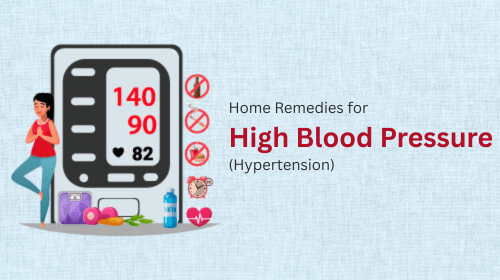
High BP (hypertension) could be a common condition in which the long-term force of the blood against your artery walls is high enough that it’s going to cause health problems, like a heart condition, eventually.
Blood pressure is determined by the number of blood pumps and the amount of resistance to blood flow in your arteries. The more blood pumps, the narrower your arteries, and the higher your BP. A pressure level reading is given in millimeters of mercury (mm Hg).
- The top number (systolic pressure) – The top or upper number indicates the pressure in your arteries during each heartbeat.
- The bottom number (diastolic pressure) – The bottom or lower number reflects the pressure in your arteries between heartbeats.
You can have high blood pressure for years without symptoms. However, uncontrolled high blood pressure increases your risk of severe health problems, including heart attacks.
Causes of High BP
Several things may play a role, while the actual causes are not unknown.
- Smoking
- Being overweight or obese
- Lack of physical activity
- Too much salt in the diet
- Too much alcohol consumption (more than 1 to 2 drinks per day)
- Stress
- Older age
- Genetics
- Family history of high blood pressure
- Sleep apnea
Risk Factors of High BP
- Who smokes
- Pregnant women
- People with a family history of BP
- Women who take birth control pills
- People over the age of 35
- Who is overweight
- Those who are not active
- Those who drink alcohol excessively
- Who eats foods with too much salt
- Those who have sleep apnea
Home Remedies to Keep High BP in Bay
1. Engage in exercise regularly
Regular exercise, around half an hour on most days, can significantly reduce high blood pressure, typically by 5 to 8 mm Hg. Consistency is key, as stopping exercise may cause your blood pressure to rise again. Exercise can help prevent hypertension if your blood pressure is elevated, and lower it to safer levels if you already have the condition. Some aerobic exercise samples include walking, jogging, cycling, and dancing.
2. Healthy Diet
A nutrient-rich diet that emphasizes fruits, vegetables, whole grains, and low-fat dairy while cutting back on saturated fats can help drop blood pressure by as much as 11 mm Hg. This eating plan is understood as the Dietary Approaches to Prevent Hypertension (DASH) diet. While shifting to a healthier diet can be tough, these tips can support a smoother and more manageable change:
- Keep a food diary. Write down what you can to shed surprising light on your proper eating habits, even for just a week. Monitor what you eat, how much, when, and why.
- Potassium helps counteract sodium’s impact on blood pressure, and it’s most effective when obtained through food rather than supplements. Consult with your doctor about the potassium level that’s best for you.
- Be a wise shopper. Read food labels after you shop and remember the heart-healthy diet plan when you’re dining out, too.
3. Reduce Sodium in Your Diet
A modest cut in dietary sodium can support heart health and help decrease high blood pressure by around 5 to 6 mm Hg. However, a lower sodium intake is suitable for many adults. Here are some effective ways to reduce sodium in your diet:
- Review food packaging and select items with low sodium whenever you can.
- Cut back on processed foods, as they contribute most of the added salt in your meals.
- Skip the salt; one teaspoon holds about 2,300 mg of sodium. Flavour your dishes with natural herbs and spices instead.
4. Reduce Alcohol Intake
Alcohol has the potential to impact your health in both beneficial and harmful ways. Consuming alcohol in moderation, one drink per day for women and two for men, can lead to a reduction in blood pressure of about 4 mm Hg.
In general, one alcoholic drink equals 12 oz of beer, 5 oz of wine, or 1.5 oz of 80-proof alcohol. Going beyond these limits can increase blood pressure and lessen the impact of blood pressure medications.
5. Quit Smoking
Every cigarette you smoke temporarily raises your blood pressure for a few minutes after smoking. Stopping smoking helps your vital signs return to normal. Quitting smoking can reduce your risk of cardiovascular disease and improve your overall health.
6. Reduce Caffeine
Caffeine can temporarily increase blood pressure by up to 10 mm Hg in people who are not habitual consumers, while frequent users usually notice minimal impact. To determine if caffeine affects your blood pressure, measure it about 30 minutes after consuming a caffeinated drink.
7. Reduce Your Stress
Chronic stress may play a role in elevated blood pressure, though further studies are needed to fully understand its long-term effects. Occasional stress may also lead to high blood pressure, especially if it triggers habits like poor eating, alcohol use, or smoking.
If you can’t eliminate all of your stress, you’ll at least address it in a healthier way. Try these extra strategies to help maintain healthy blood pressure levels.
- Change your expectations. For instance, plan your day and concentrate on your priorities. Avoid trying to do an excessive amount and learn to say no. Understand that there are some things you can’t change or control, but you’ll target how you react to them.
- Focus on issues you’ll control and make plans to unravel them. For example, if you’re having a problem at work, try talking to your manager. If you’re facing conflicts with your children or partner, try to address and resolve them calmly and constructively.
- Avoid stress triggers. For instance, if rush-hour traffic stresses you out, consider leaving earlier or using public transport to ease the commute. Also, avoid people who cause you stress.
- Make time to relax and try to do activities you enjoy. Take time each day to sit down quietly and breathe deeply. Set aside time for activities you enjoy, like walking, cooking, or volunteering, to help reduce stress and support well-being.
- Cultivate gratitude; showing appreciation to others can help lower stress levels.
8. Sleep Well
Getting less than seven hours of sleep regularly can raise blood pressure. Sleep issues like insomnia or sleep apnea can also affect rest.
Aim for 7–9 hours of sleep each night. To improve sleep:
- Follow a regular sleep schedule
- Keep your bedroom cool, quiet, and dark
- Avoid heavy meals, caffeine, and alcohol before bed
- Limit daytime naps to 30 minutes
If sleep problems continue, consult a doctor.
Simple Ways to Quickly Manage High Blood Pressure
If your blood pressure rises suddenly, you can try these quick measures:
- Splash cold water on your face, head, and feet
- Take a few minutes to practice deep breathing or meditation
- Avoid eating salty or spicy foods right away
- Drink plain lemon water without adding salt or sugar
- Chew a clove of garlic or a few holy basil (tulsi) leaves
- Sip coconut water or pomegranate juice
If your blood pressure stays high even after trying these steps, seek medical help without delay.
Frequently Asked Questions
1. Can garlic lower BP?
Raw garlic, garlic powder, aged garlic extracts, or garlic oil appear to help lower blood pressure. Effective dosages range from 12.3–2,400 mg per day for 2–24 weeks, and it depends on the form taken.
2. What is the 7-second trick to lower blood pressure?
Deep breathing is a fast and effective method to reduce blood pressure. Find a comfortable position, close your eyes softly, breathe in through your nose for five seconds, hold for 1–2 seconds, then slowly exhale through your mouth for five seconds.