 Health
  Find a
  Book an
 How to Prevent Varicose Veins: Lifestyle Tips and Home Remedies
November 4, 2025
Varicose veins commonly develop when the tiny valves in the veins fail to function properly. These valves usually stop blood from flowing backwards through the veins. When the valves are not functioning properly, blood may pool in the veins, resulting in swollen, twisted veins that are easily seen.
Varicose veins are easily recognized by their dark blue or purple color and their tendency to protrude beneath the skin.
People with varicose veins often have a burning or throbbing sensation in the legs. They also have uncomfortable legs that feel heavy or achy. Patients may get muscle cramps that are more noticeable at night, with swelling of the feet and ankles. You may notice that the skin is dry or itchy and appears thinner over the varicose veins.
It is recommended to get your varicose veins evaluated by a doctor. However, there are some simple lifestyle changes and remedies that may bring some relief. Let us explore them in detail.
Lifestyle Changes
- Regular exercise: Consistent exercise helps strengthen the leg muscles, promoting better blood flow to the heart and improving overall circulation. Routine exercise promotes improved blood flow in the legs, helping to move blood that has pooled in the veins. When you exercise, your blood pressure can come down, which will help with varicose veins. Gentle exercises like swimming, walking, cycling, and yoga work the calf muscles effectively without overloading them.
- Maintaining a healthy weight: Excess weight puts pressure on your veins, so losing weight can significantly reduce your risk. Shedding excess kilos can reduce the pressure on the veins and alleviate swelling and discomfort.
- Avoid sedentary behaviour: Prolonged sitting or standing should be avoided, as it can cause blood to collect in the leg veins and worsen varicose vein symptoms. Frequent breaks from sitting or standing are recommended to move your legs and promote proper blood circulation. Take frequent breaks to move around and shift your weight. Try not to sit with your legs crossed, since this can hinder blood circulation in the legs and feet and contribute to circulation problems.
- Elevate your legs: Elevating your legs higher than your heart can help reduce swelling and support better blood circulation. Use a footstool to raise your legs and make sure not to cross them. Keeping your legs at or above heart level helps improve circulation and lowers pressure in the veins. Additionally, gravity will help the blood to flow smoothly back to the heart.
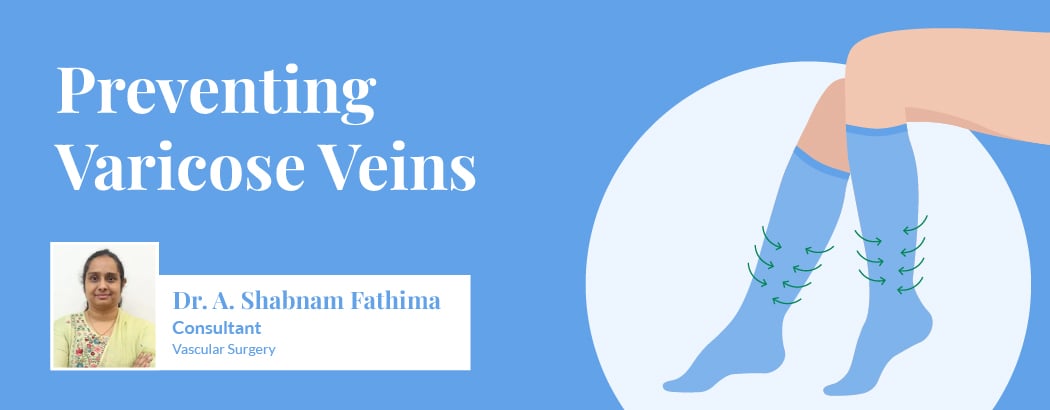
- Wear Compression Stockings: Compression stockings (available at most pharmacies) are elastic, graduated compression stockings made with a flexible fabric. They help by applying pressure on the legs. This aids the muscles and veins in moving blood toward the heart.
- Limit Tight Clothing & High Heels: Wearing tight-fitting clothes can restrict blood flow. Loose-fitting clothes may improve circulation and not restrict the blood supply to the lower body. Tight-fitting clothing such as girdles, body shapers, elastic socks, and snug belts can impede blood flow from the legs to the heart, leading to blood pooling. Choosing flat shoes or low heels can help support healthier circulation and reduce strain on the veins.
- Moisturise the skin: We are aware that our skin protects our body, including the veins in our legs. Applying moisturizer daily can help repair dry or cracked skin and support overall leg health.
- Use Cold Compresses: Using cold compresses can help ease inflammation and offer relief.
- Massage: Careful massage of the affected areas can aid in maintaining proper blood circulation in the veins. Using mild massage oils or moisturisers can enhance the benefits of the massage. Remember not to press directly onto the veins, as this may damage fragile tissues. It is believed that horse chestnut oil may be effective in alleviating symptoms caused by varicose veins and chronic venous insufficiency. It may help to reduce inflammation, increase blood flow and elasticity, and strengthen blood vessel walls. Essential oils and plant extracts should be mixed with a carrier oil before topical use or diffusion to ensure safe application.
Dietary & Home Remedies
- Stay Hydrated: Drinking plenty of water helps your cells, tissues, and veins function correctly, promoting effective blood flow.
- Eat a High-Fibre Diet: High-fiber foods like fruits, vegetables, and whole grains can reduce straining during bowel movements, helping to prevent worsening varicose veins. Eating a diet rich in these foods supports overall well-being and helps control weight, decreasing the likelihood of varicose veins.
- Reduce Salt Intake: Sodium-rich foods can cause water retention, which raises blood volume and adds pressure to the veins. Consuming potassium-rich foods such as almonds, pistachios, lentils, white beans, potatoes, leafy greens, and certain fish like salmon and tuna can help reduce water retention.
- Eat more flavonoids: Including flavonoid-rich foods in your diet may help lessen the appearance of varicose veins. Flavonoids are natural plant pigments present in various fruits, vegetables, and drinks such as tea and wine, recognized for their antioxidant, anti-inflammatory, and neuroprotective properties. Flavonoids enhance blood circulation, helping to prevent blood from pooling in the veins. They can also lower arterial blood pressure and relax blood vessels, which may reduce varicose veins. Foods rich in flavonoids include onions, bell peppers, spinach, broccoli, citrus fruits, grapes, cherries, apples, cocoa, and garlic.
- Herbal remedies: It is believed that certain herbal remedies, like grape seed extract and Horse chestnut extract, help with varicose veins. These are taken orally. It is important to note that there is currently limited evidence for its effectiveness, and these should be taken only on the advice of a medical professional. Individuals taking blood-thinning medications should avoid grape seed extract supplements, as they may interact with the medication and raise the risk of bleeding.
Summary
It is possible to manage varicose veins at home, and adopting healthy diet and lifestyle changes can help alleviate the symptoms. People with severe varicose veins must seek medical treatment to help reduce their appearance and improve symptoms. Discussing treatment options with a doctor can help you make an informed decision about the most suitable approach for managing varicose veins.
Frequently Asked Questions
1. Do compression stockings help?
Yes. They support veins, improve blood flow, reduce swelling, and relieve heaviness in legs. They are especially helpful for people with jobs that require long hours of standing.
2. Can lifestyle changes stop varicose veins from developing completely?
They can significantly reduce the risk and slow progression, but cannot always prevent varicose veins entirely, especially if there is a strong family history.