 Health
  Find a
  Book an
 How to Cure Anal Fissure Permanently
April 6, 2026
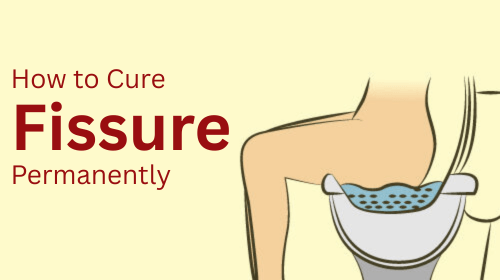
Anal fissures are painful cracks or splits that develop at the junction where the anal canal meets the end of the colon, often due to passing stool. A few symptoms are commonly associated with bowel movements, such as itching, bleeding, and pain. In some cases, small fissures that cause pain can heal on their own; however, if there are deeper fissures that are chronic, a physician may need to treat them.
An anal fissure is very common among infants and children but can affect people of any age. In general, anal fission heals within four to six weeks. However, if the rift fails to heal during this period, it may become chronic, and medical or surgical treatment will be necessary to cure the anal rift.
Symptoms
The symptoms of an anal fissure are usually easy to notice. They often appear during or after passing stool.
- Pain during bowel movements: You may feel sharp or tearing pain while passing stool.
- Pain after bowel movements: The pain can continue for a few minutes or even up to 2 hours.
- Bleeding: You might notice a small amount of bright red blood on the stool or when wiping with toilet paper.
- Burning or itching: The skin around the anus may feel irritated, itchy, or have a burning sensation.
- Visible crack: A small tear or cut in the skin around the anus may be seen.
- Muscle spasm: The muscles around the anus may tighten and cause more pain.
- Small lump or skin tag: Some people may notice a small lump near the tear.
These symptoms may start suddenly or develop slowly over time. If the symptoms do not improve, the fissure may become long-lasting and need medical care.
Causes
Some trauma in the anal channel causes it. These rectal tears can occur in anyone, but they are more commonly observed in younger and otherwise healthy individuals. Anal stenosis is generally caused by pressure on the anal cavity; the reasons could be sitting for a long time, being stressed, or having a high-pressure job. Primary fissures are simple fractures.
A fissure can result from severe constipation or increased pressure on the anal muscles, often due to prolonged activities like long hours of driving. They may occur during childbirth or after a difficult childbirth. Earlier, it was thought that most fissures were caused by straining to pass stools and uncomfortable bowel movements. However, it is now understood that increased tension in the sphincter muscle can lead to the development of chronic fissures. Excessive pressure on the anal hole may cause these, and it may become a more painful and stressful life, and spasms and breakdowns may become chronic.
Some conditions that are commonly associated with primary anal fissures include
- Chronic Constipation
- Hypothyroidism
- Obesity
- Tumors
Additionally, some of the minor common causes of the same phenomenon are as follows:
- Anal cancer
- Crohn’s disease and inflammatory bowel disease, such as Ulcerative Colitis
- HIV/AIDS
- Tuberculosis
Home Remedies for Anal Fissure
1. Sitz Bath
It involves sitting in a tub of lukewarm water to ease pain and provide relief, although it may not necessarily speed up the healing of an anal fissure. These plastic baths can be purchased from local drug stores on any available online platforms, are filled with water, and are usually recommended for use for approximately 10 to 15 minutes, preferably 2-3 times a day. Doctors prescribe some medications or Epsom salt in addition to water. These additives help reduce pain and itch, remove discomfort, and clear the infection.
If a plastic sitz bath isn’t available, you can use your regular bathtub as an alternative. If you soak in a bathtub, be sure to clean it well before sitting in it, and keep to the recommended soaking time.
2. Include Fibre-Rich Food
Eat a diet rich in fiber by including foods like chickpeas, lentils, beans, split peas, whole grains, soybeans, pumpkin seeds, and bran cereal. Also, eat prunes and raisins that help soften stools. Soft, easy-to-pass stools help reduce pain and prevent the fissure from worsening or becoming further irritated.
Some Examples of High Fiber Foods Include
- High-fiber bran cereal
- Beans (kidney, yellow, white)
- Split peas
- Chickpeas
- Lentils
- Pumpkin seeds
- Soybeans
- Avocado
3. Fibre Supplement
If you don’t get enough fiber from food, a fiber supplement may help. There are many different types of fiber supplements, with some of the most common ingredients being psyllium husk, methylcellulose, and polycarbophil. Consult a nutritionist and take a balanced diet with a fiber supplement to benefit from the supplement. It’s recommended to begin fiber supplements with a low dose and gradually increase the intake each day to minimize side effects like gas and bloating. In addition, fiber supplements can help with other health complications, such as constipation and diarrhea.
4. Stool Softener
A stool softener may help to relieve constipation. Stool softeners are not laxatives, and they are usually considered safe. Though they may have negligible side effects, it is still important to speak with a doctor before using them. These agents help increase the amount of water drawn into the digestive tract or intestines, making the stool softer. There are many types of stool softeners available as tablets and liquids. Stool softeners are typically used for seven days. Other methods that can be followed to help with constipation to help discontinue the stool softeners include changing your lifestyle habits. You should also speak with your doctor or healthcare provider to determine which over-the-counter stool softener is right for you.
5. Stay Hydrated
Maintaining proper hydration helps ease constipation by softening the stool and promoting smoother bowel movements. Water-rich foods can also support your daily hydration needs. The amount of water you need each day depends on your weight and gender and varies from person to person, but on average, men should drink about 13 cups and women about 9 cups. More water is needed after physical activity, especially after exercise or when pregnant or breastfeeding. Your body is the only one that can tell you how much water you need. If your stool is soft and passes easily, it’s a good sign that you’re staying adequately hydrated throughout the day.
6. Follow the Bathroom Hygiene
After each bowel movement, clean the area around the anus gently and dry it thoroughly. If you have the urge to pass stools, don’t ignore it. If you try to control your urge to defecate, it will worsen the fissure. Steer clear of soap and bubble baths, as they may aggravate the sensitive tissue in the anal canal. Avoid excessive pressure or sitting on the toilet for a long time if it puts extra pressure on the anal area.
Complications
In many cases, an anal fissure heals on its own. But if it does not heal properly, it can lead to some complications.
- Chronic fissure: If the tear does not heal within a few weeks, it can become long-lasting. This is called a chronic fissure.
- Repeated problem: Once you get a fissure, there is a chance it may come back again.
- Ongoing pain and muscle spasm: Pain can cause the anal muscles to tighten. This reduces blood flow and slows healing. It also increases pain, creating a cycle that is hard to break.
- Deeper tear: The fissure may go deeper and reach the inner muscle of the anus. This makes healing more difficult.
- Small ulcer formation: A long-lasting fissure can turn into a small sore or ulcer.
- Difficulty passing stool: In some cases, the anal opening may become narrow, making it hard to pass stool.
- Other conditions: Rarely, untreated fissures may lead to problems like fecal impaction (hard stool stuck inside) or an abnormal passage called an anal fistula.
If the fissure does not improve over time, it is important to seek medical treatment to avoid these complications.
Prevention Tips
- Eat fibre-rich foods: Include fruits, vegetables, and whole grains to keep stools soft.
- Drink enough water: Helps in smooth bowel movements.
- Avoid straining: Do not force while passing stool.
- Follow a routine: Go to the toilet at the same time daily.
- Clean gently: Use water or soft wipes, avoid harsh rubbing.
- Stay active: Exercise helps prevent constipation.
- Treat diarrhoea early: Prevents irritation of the anal area.
When to Visit a Doctor
While mild anal fissures often heal with home remedies, some cases require medical attention. You should see a doctor if you experience persistent pain, bleeding, or discomfort during bowel movements that do not improve with self-care. Additionally, if symptoms worsen or fail to heal within six to eight weeks, it may indicate a chronic fissure that needs medical intervention.
Individuals with recurring fissures or underlying conditions like Crohn’s disease should also seek professional advice to prevent complications. A gastroenterologist or colorectal surgeon can examine your condition and offer the right treatment options, which may include medication, lifestyle adjustments, or minor surgery if necessary.
Frequently Asked Questions
1. Is fissure curable without surgery?
Yes. The fissure can be cured without surgery with the help of home remedies, lifestyle changes, and diet.
2. How can you differentiate between hemorrhoids and anal fissures?
Hemorrhoids and anal fissures share similar symptoms and causes, making them easy to confuse. Both can result from excessive straining during bowel movements and may lead to rectal bleeding, anal pain, and itching.
While hemorrhoids are more common, anal fissures are more likely to cause pain. Hemorrhoids don’t always hurt, but fissures cause pain in about 90% of cases. However, fissure pain typically comes in episodes, whereas hemorrhoid pain can be persistent.
3. What are the signs that a fissure is healing?
Healing signs of an anal fissure include less pain, minimal or no bleeding, reduced inflammation, and smoother bowel movements. The skin around the fissure may start to heal, and overall discomfort should lessen. Most fissures heal within six to eight weeks with proper care. Seek medical attention if the symptoms do not improve or begin to deteriorate.