 Health
  Find a
  Book an
 Hepatic Hemangioma: Causes, Symptoms & Treatment
October 9, 2025
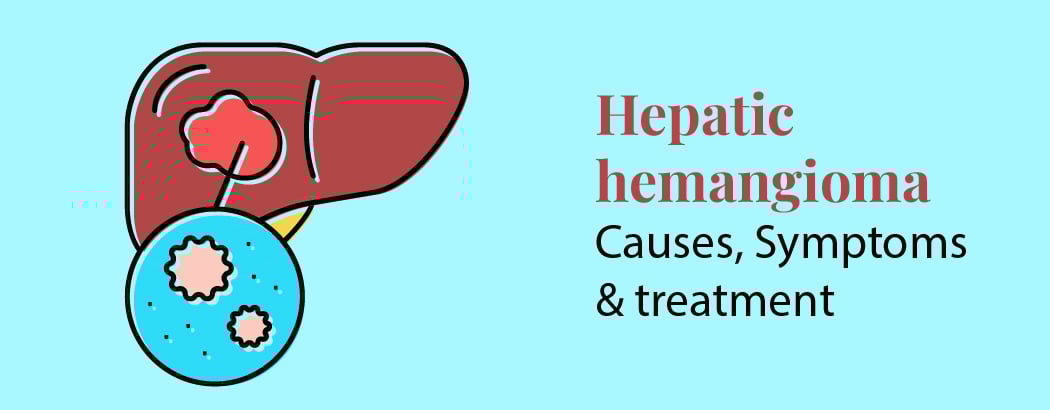
The most common benign liver tumours are hepatic hemangiomas, which are usually discovered by coincidence during imaging testing for unrelated medical conditions. Even though the term “tumour” can be terrifying, hepatic hemangiomas are mostly benign and pose no major health risks. However, it is critical to understand this illness, especially for those who are experiencing symptoms or have been diagnosed.
What is a Hepatic Hemangioma?
A hepatic hemangioma is a collection of blood vessels that form in the liver. It is a non-cancerous condition that usually produces no symptoms for the rest of a person’s life. Although they typically have a diameter of less than 5 cm, these growths can occasionally become larger. When they grow to be quite large, they may cause injury or necessitate medical attention.
When investigating other medical issues, imaging tests such as MRIs, CT scans, or ultrasounds are commonly utilized to detect hepatic hemangiomas.
Causes and Risk Factors
The exact cause of hepatic hemangiomas is unknown, but research suggests that several factors might contribute to their development. Some potential causes and risk factors include:
- Genetics – Some evidence suggests that hepatic hemangiomas may have a genetic component, meaning they can run in families.
- Hormonal Influence – There is a strong link between estrogen and hepatic hemangiomas. This explains why women, especially those who have been pregnant or are on hormonal therapy, are more likely to develop them.
- Age and Gender – Hepatic hemangiomas are more frequently diagnosed in women between the ages of 30 and 50. However, men can also develop them.
- Injury or Liver Conditions – Though not a direct cause, some liver conditions or trauma to the liver may contribute to the growth of these blood vessel formations.
Despite these potential risk factors, many people with hepatic hemangiomas have no clear reason for their development.
Symptoms
Most hepatic hemangiomas remain small and asymptomatic. However, when they grow larger—usually beyond 5 cm—they can start causing symptoms, including:
- Abdominal Pain or Discomfort – A sizable hemangioma may put pressure on surrounding organs, causing pain or a feeling of fullness in the upper right abdomen.
- Nausea and Vomiting – In some cases, an enlarged hemangioma may cause digestive issues.
- Loss of Appetite – Some people may experience reduced appetite due to pressure from the growing mass.
- Bloating or Feeling of Fullness – A large hemangioma can create a sensation of fullness even after eating small amounts.
- Liver Enlargement (Hepatomegaly) – In rare cases, a hepatic hemangioma can grow large enough to cause an increase in liver size.
Although uncommon, a very large hemangioma can occasionally lead to serious issues like rupture or internal bleeding.
Diagnosis: How is a Hepatic Hemangioma Detected?
Because hepatic hemangiomas often do not cause symptoms, they are usually discovered by chance during imaging tests for other medical conditions. Some of the common diagnostic methods include:
- Ultrasound – A non-invasive imaging technique that provides an initial assessment of liver abnormalities.
- CT Scan (Computed Tomography) – Offers a more detailed image to confirm the presence and size of the hemangioma.
- MRI (Magnetic Resonance Imaging) – Helps in differentiating a hepatic hemangioma from other liver conditions.
- Blood Tests – While these do not diagnose hepatic hemangiomas, they may be used to rule out other liver diseases.
Once a hepatic hemangioma is detected, doctors may recommend monitoring its size over time to ensure it remains stable and does not cause complications.
Treatment Options
In most cases, no treatment is necessary for hepatic hemangiomas, especially if they are small and asymptomatic. However, if symptoms arise or if the hemangioma grows significantly, several treatment approaches may be considered:
1. Regular Monitoring
For small and asymptomatic hemangiomas, doctors typically recommend periodic imaging to track any changes in size. This approach ensures that the hemangioma remains stable without unnecessary interventions.
2. Lifestyle Modifications
Although lifestyle changes do not directly shrink hepatic hemangiomas, maintaining liver health can be beneficial. A balanced diet, moderate exercise, and avoiding excessive alcohol consumption may help overall liver function.
3. Surgical Removal (Liver Resection or Enucleation)
If the hemangioma grows too large, causes persistent symptoms, or poses a risk of rupture, surgery may be required. This involves removing the hemangioma while preserving as much of the healthy liver tissue as possible.
4. Liver Artery Embolisation
This is a minimally invasive procedure where the blood supply to the hemangioma is reduced, preventing further growth and, in some cases, causing it to shrink.
5. Liver Transplant (Rare Cases)
In extremely rare cases, where the hemangioma is excessively large and causes severe complications, a liver transplant may be considered as a last resort.
When Should I See the Doctor?
Since most hepatic hemangiomas do not cause symptoms, they usually require no immediate medical intervention. However, it is essential to consult a doctor if you experience:
- Persistent or severe abdominal pain
- Unexplained nausea or vomiting
- Noticeable bloating or discomfort in the upper right abdomen
- A history of liver conditions with new symptoms
Early evaluation can help determine the best course of action and prevent unnecessary complications.
Complications
Liver hemangiomas usually do not cause problems, but rare complications can occur.
- Growth during pregnancy: Increased estrogen during pregnancy or from estrogen-based medicines may cause the tumor to grow.
- Symptoms from growth: A large hemangioma may cause pain in the upper right abdomen, bloating, or nausea.
- Pressure effects: It can press on blood vessels or bile ducts, leading to swelling, blood clots, or jaundice.
- Bleeding or rupture: Very rarely, the tumor may bleed or rupture, especially after liver injury or severe strain. This is a medical emergency.
Conclusion
Hepatic hemangiomas are common benign liver tumours that rarely represent a significant harm to one’s health. Other than frequent monitoring, most people do not require therapy for these growths. If they get too large or cause discomfort, there are several treatment options available to ensure your comfort and well-being, including surgery.
If you have recently been diagnosed with hepatic hemangioma, don’t be concerned. A healthy lifestyle and regular medical exams can help with the effective management of the illness. Always consult a healthcare professional if you need advice that is tailored to your personal condition.
Frequently Asked Questions
1. Is a hepatic hemangioma a type of cancer?
No, hepatic hemangiomas are benign (non-cancerous) tumours made up of blood vessels. They do not turn into cancer and usually do not pose serious health risks.
2. Can a hepatic hemangioma grow over time?
Yes, in some cases, hepatic hemangiomas can grow, especially under the influence of hormones like estrogen. However, most remain small and do not require treatment.
3. Can hepatic hemangiomas cause symptoms?
Most hemangiomas do not cause symptoms, but larger ones may lead to abdominal pain, bloating, nausea, or a sense of fullness.