 Health
  Find a
  Book an
 Heart Healthy Diet: The Best and Worst Foods for a Stronger Heart
November 5, 2025
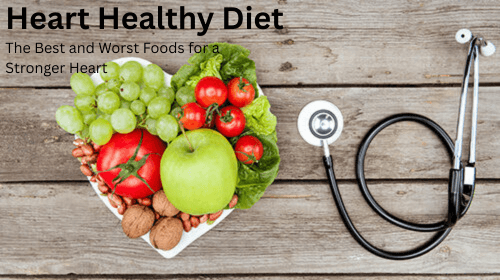
The food you eat decides your health. A general balanced diet is good for your overall health, but there are certain foods that are specifically suited for certain organs, and some that are harmful. A heart-healthy diet is designed to keep your heart healthy and in good working order.
The first thing to remember is that how much you eat is as important as what you eat. Limiting the portion size is the first step towards getting your heart healthy. Reducing the portion size or number of servings may seem hard, so you can make this easier by switching to a smaller plate or bowl. Smaller portions will fill up your plate and will give you psychological satisfaction.
The Heart-Healthy Diet
Fruits and Vegetables
Packed with vitamins and minerals, fruits and vegetables are a must with every meal. Plant and plant-based foods also help in reducing your risk of health diseases. They are high in fibre and fill your stomach up, leaving little room for high-calorie foods such as meat, carbohydrates, and snacks.
Whole Grains
Whole grains provide abundant fiber and vital nutrients that aid in maintaining healthy blood pressure and promoting overall cardiovascular wellness. Increase your intake of whole grains by including whole wheat flour, brown rice, oatmeal, etc.
Include Good Fat and Avoid the Bad Fat
Not all fat is bad for you. You need a certain amount of fat in your diet to keep you functioning at peak efficiency. Just choose monounsaturated fats such as olive oil and other vegetable oils. Monounsaturated fats and polyunsaturated fats may lower total blood cholesterol, while saturated fats will end up clogging your blood vessels, leading to cardiovascular diseases.
Low-fat Protein Keeps Your Heart Healthy
Fish, poultry, lean meat, and low-fat dairy should be a part of your diet. Legumes such as beans, peas, and lentils are also good sources of protein. Alternate animal protein with plant protein to reduce fat and cholesterol content.
Reduce Sodium Intake
Sodium plays a big role in increasing your blood pressure. High blood pressure is a leading cause of heart disease. Give up canned and packaged foods and condiments. Eat moderately salted home-cooked meals.
Follow these simple rules. It may be difficult to make drastic changes, so it is better to make the shift gradually. Make small changes and increase them in small increments. Give yourself treats now and then to keep your spirits up, but remember to keep your treats small.
Foods to Avoid for Heart Health
While eating the right foods can strengthen your heart, it’s equally important to limit those that can put extra strain on your cardiovascular system. Certain ingredients, especially when consumed regularly or in large quantities, can raise cholesterol levels, increase blood pressure, and promote inflammation, all of which contribute to heart disease over time.
Below are some foods and food categories best avoided or minimised for optimal heart health:
1. Processed and Fatty Meats
Meat products like bacon, sausages, and deli slices generally have excessive levels of salt, unhealthy fats, and added preservatives. These can raise “bad” LDL cholesterol levels and contribute to arterial plaque buildup. Choose lean, fresh proteins like skinless poultry, fish, beans, or tofu instead.
2. High-Fat Dairy Products
High-fat dairy foods, including whole milk, cream, cheese, butter, and yogurt, contain large amounts of saturated fat that can raise blood cholesterol and harm heart health. Switch to low-fat or plant-based alternatives when possible.
3. Refined Grains and Baked Goods
Items prepared with refined flour, like cakes, pastries, cookies, and white bread, are low in fibre and essential nutrients. Such foods are frequently loaded with trans fats and added sugars, both of which can promote weight gain and damage cardiovascular health. Choose whole grain options such as quinoa, oats, or whole wheat bread.
4. Fried and Fast Foods
Deep-fried items like French fries, fried chicken, and chips absorb unhealthy oils during cooking, making them high in calories and trans fats. These not only raise cholesterol levels but also promote inflammation in blood vessels. Baking, grilling, or air-frying are healthier alternatives.
5. Salty and Packaged Foods
Canned soups, instant noodles, and packaged snacks often contain excessive sodium to enhance flavour and shelf life. Consuming too much salt leads to fluid buildup and elevated blood pressure, putting extra strain on the heart. Try to keep your daily sodium consumption below 2,000 mg and read nutrition labels closely to monitor your intake.
6. Sugary Drinks and Sweets
Habitually consuming desserts, soft drinks, and sweetened beverages may cause weight gain, disrupt insulin function, and raise triglyceride levels, all of which heighten the chance of developing heart disease. Swap sugary beverages for healthier options like water, herbal tea, or fruit-infused water.
7. Tropical Oils and Hydrogenated Fats
Coconut, palm, and palm kernel oils, as well as products made with hydrogenated oils, are high in saturated or trans fats. These fats can harden arteries and reduce healthy HDL cholesterol. Use heart-friendly oils like olive, canola, or sunflower oil instead.
8. Alcohol in Excess
Although small amounts of alcohol might offer limited heart benefits for some individuals, drinking excessively can increase blood pressure, harm the heart muscle, and lead to abnormal heart rhythms. Limiting or avoiding alcohol is best for overall heart health.