 Health
  Find a
  Book an
 Chickenpox: Causes, Transmission, Stages, and Prevention
March 10, 2026
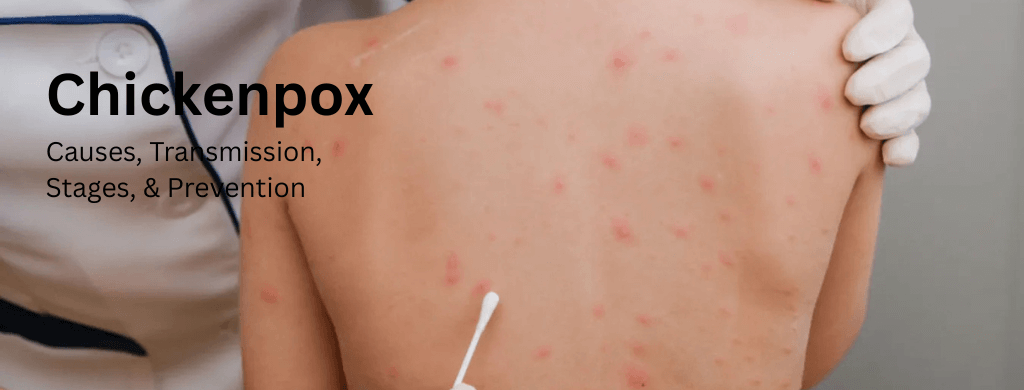
Chickenpox is a highly contagious illness triggered by the varicella-zoster virus. It can impact people of any age, and understanding its spread is essential for prevention. We’ll explore its transmission, influencing factors, and prevention in this article.
Chickenpox is triggered by the highly infectious varicella-zoster virus. Despite being able to impact people of many ages, it primarily affects children. Chickenpox is characterised by a red, itchy rash that usually starts on the face and spreads across the body. Fever, headaches, and overall discomfort are potential additional symptoms.
Direct contact with the rash and respiratory droplets from infected people’s coughs and sneezes are two ways the virus spreads. While chickenpox is generally a mild condition, it can result in severe complications for infants, pregnant women, and those with weakened immune systems. Chickenpox and its consequences can be avoided with vaccination.
Symptoms and Stages
Chickenpox usually begins with mild flu-like symptoms before the rash appears. These early signs may show up 1 to 2 days before the skin rash.
Common early symptoms include:
- Fever
- Headache
- Tiredness and weakness
- Loss of appetite
- Body aches or stomach discomfort
- Feeling generally unwell
Itchy Skin Rash
The most noticeable symptom of chickenpox is an itchy rash. The rash typically develops 10 to 21 days after being exposed to the virus. It may start on the face, chest, back, or scalp and then spread to other parts of the body such as the arms, legs, and sometimes inside the mouth.
The rash often develops in three stages:
Stage 1: Red Spots (Papules) – Small red or pink spots appear on the skin. These spots may spread across the body and can be very itchy.
Stage 2: Fluid-Filled Blisters (Vesicles) – Within a day, the spots fill with clear fluid and become blisters. These blisters are very itchy and may break open.
Stage 3: Scabs and Crusts – After the blisters break, they dry out and form scabs. The scabs slowly heal and fall off within 1 to 2 weeks.
Fresh spots can keep appearing for a few days. Because of this, red spots, blisters, and scabs may all be present on the skin at the same time.
Most children experience mild symptoms, and the illness usually improves within 7 to 14 days. However, adults may have stronger symptoms than children. takes about 10 days to heal completely.
Modes of Transmission
Chickenpox is highly contagious and can spread between people through multiple routes. Understanding how the virus transmits can help in preventing its spread.
Direct Contact
Chickenpox primarily spreads through contact with an infected person, especially through respiratory droplets when they cough or sneeze. It can also spread through contact with the fluid from their blisters.
Airborne Transmission
Airborne transmission happens when the virus turns into tiny particles in the air, especially in poorly ventilated indoor spaces. Inhaling these particles can cause infection.
Indirect Contact
Chickenpox can spread indirectly through contaminated objects. The virus can persist on objects like toys and doorknobs for a brief duration. If someone touches these surfaces and then their face, they can get infected.
Maternal Transmission
Pregnant women without immunity can pass chickenpox to their babies, usually in later pregnancy or during birth. Neonatal chickenpox needs urgent medical care.
Factors Affecting the Transmission
Several factors influence how quickly and widely chickenpox spreads. Recognizing these factors can help in controlling outbreaks and protecting vulnerable individuals.
Contagiousness of Chickenpox
Chickenpox is highly contagious, with infected individuals being most contagious from one to two days before the appearance of the rash until all blisters have crusted over. This extended period of contagiousness contributes to its rapid spread.
Vulnerable Populations
Certain populations, like babies and pregnant or immunocompromised people, face higher chickenpox risks. Virus prevention is vital around them.
Seasonal Patterns
Chickenpox exhibits seasonal patterns, with higher incidence rates occurring during late winter and early spring. Understanding these patterns can help healthcare authorities prepare for outbreaks and implement preventive measures.
Treatment
Chickenpox usually clears up on its own within 1 to 2 weeks in healthy children. The treatment focuses on easing symptoms and keeping the person comfortable.
Doctors often recommend rest and plenty of fluids. To reduce itching, you can apply calamine lotion, take cool baths, and wear loose clothing. Keeping fingernails short can also help prevent scratching and skin infection.
Medicines such as paracetamol (acetaminophen) may help reduce fever and pain. Doctors may also suggest antihistamines to relieve itching.
Doctors may give antiviral medicines to people who have a higher risk of complications.
Prevention
Effective prevention strategies can help reduce the spread of chickenpox and protect vulnerable individuals from infection and complications.
- Vaccination – Vaccination is the best chickenpox prevention method, reducing infection risk and complications. Immunisation has lowered chickenpox rates in many places.
- Hygiene Practices – Good hygiene, like handwashing and covering coughs, helps prevent chickenpox spread. These measures reduce transmission risks.
- Quarantine Measures – Isolating infected people and those in close contact is vital to prevent the spread. Keeping them away from school or work helps curb transmission.
- Immune Globulin – Immune globulin (IG) can offer temporary protection if given shortly after exposure to chickenpox, especially for high-risk individuals. It contains antibodies that may reduce the disease’s severity.
Chickenpox vs. Shingles
The chickenpox virus can later cause shingles. Shingles isn’t contagious, but it can transmit chickenpox to those without immunity. This risk emphasises the importance of chickenpox prevention through vaccination and hygiene.
Conclusion
Knowing how chickenpox spreads is crucial to prevent transmission and protect vulnerable groups. The virus spreads through direct contact, airborne particles, touching contaminated objects, and maternal transmission. Factors like chickenpox’s contagiousness, vulnerable populations, and seasonal patterns influence its spread. Preventive measures, including vaccination, good hygiene, quarantine, and immune globulin treatment, are essential in controlling chickenpox. Awareness of the link between chickenpox and shingles is also important for public health.
Frequently Asked Questions
1. How long is chickenpox contagious?
People who have chickenpox are contagious from one to two days prior to the rash developing until every blister has closed up. This time frame normally lasts for 5 to 7 days following the appearance of the rash. To stop the infection from spreading during this time, infected people must be kept apart.