 Health
  Find a
  Book an
 Carotid Endarterectomy: A Complete Guide to Procedure, Risks & Recovery
March 2, 2026
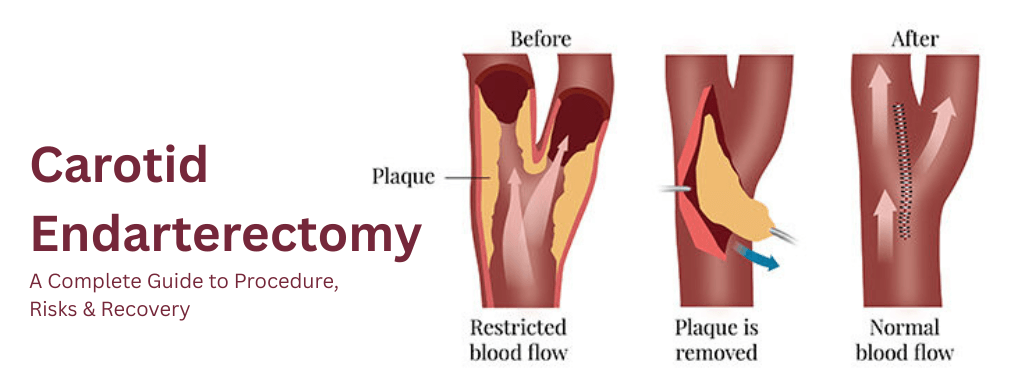
Carotid endarterectomy (CEA) is a Neurosurgical procedure done to correct the stenosis(narrowing) of the Internal Carotid Artery, the Chief blood supply to the brain, to reduce the risk of ischemic stroke of the brain.
It is a surgery done in the neck at the bifurcation of the common carotid artery, where the main blood supply to the brain (the Internal carotid artery) originates. The artery is opened at the area of stenosis, and the atherosclerotic plaque is completely removed. The artery is then closed with fine sutures. The results were very good if this procedure was done under high magnification in Modern Neuromicroscopes.
What is Carotid Endarterectomy
Carotid endarterectomy is a surgery performed to treat carotid artery disease. This condition develops when fatty or wax-like deposits accumulate inside one of the carotid arteries, the major blood vessels on either side of the neck.
This buildup of plaque may restrict blood flow to your brain. By removing plaque buildup, blood flow through the carotid artery improves, reducing the chance of stroke.
In a carotid endarterectomy, you receive a local or general anaesthetic. The surgeon creates an incision in the front of the neck, opens the carotid artery, and clears away the plaque causing the blockage. The surgeon then closes the artery using stitches or a patch created from either a vein or a synthetic material (known as a patch graft). In some cases, a different method called eversion carotid endarterectomy may be performed. In this technique, the carotid artery is cut, turned inside out to remove the plaque, and then reattached.
Why and When Carotid Endarterectomy is Done
Carotid artery stenosis most often develops due to atherosclerosis, where plaque accumulates along the walls of the carotid artery. Generally, it is an age-related degenerative change, and other non-modifiable risk factors like Type II Diabetes and Hypertension can aggravate the disease process. Smoking, alcohol consumption, and obesity are modifiable risk factors that aggravate the progression of atherosclerotic changes and thus cause Carotid Artery Stenosis.
With the reduction of the caliber of the major blood vessels that supply the brain, the demand for oxygen supply to the brain decreases. When the stenosis is less, it can cause temporary symptoms like transient ischemic attacks (TIA) of the brain, spinal cord, and retina, and is often the early indicator before a Major brain stroke.
According to the North American Symptomatic Carotid Endarterectomy Trial (NASCET), patients with stroke symptoms and severe carotid artery narrowing (more than 70% blockage) benefit greatly from this surgery, with about a 17% reduction in major strokes and a 7% decrease in stroke-related deaths. European Carotid Surgery trial (ECT), Asymptomatic Carotid Atherosclerosis Study (ACAS), and many other major trials have established the usefulness of this surgery.
NICE guidelines recommend prompt treatment for patients experiencing symptoms who have moderate to severe carotid artery narrowing (50–99% blockage).
How to Get Ready for a Carotid Endarterectomy
Before the procedure, your healthcare provider will walk you through the details and give you an opportunity to ask any questions. You’ll be asked to sign a consent form, so be sure to read it carefully and clarify anything that’s unclear.
A complete medical evaluation will be conducted to confirm you’re fit for surgery. This could involve a physical examination, blood tests, and additional diagnostic assessments. Let your provider know about any allergies or sensitivities, especially to medications, latex, iodine, anaesthesia, tape, or contrast dyes.
It’s important to inform your healthcare team about all medications and supplements you’re currently using, including prescription drugs, over-the-counter remedies, and herbal products. If you have a history of bleeding issues or are taking blood thinners like aspirin or anticoagulants, you might need to stop them temporarily as advised.
If you’re pregnant or suspect you could be, notify your provider in advance. You’ll likely be instructed to avoid eating or drinking for a certain time before surgery. A blood test might be done to check your clotting time.
You may be given a sedative before the procedure to help you relax. If you have a pacemaker, let your provider know.
If you smoke, it’s strongly recommended to quit before the operation. Doing so can support a smoother recovery and improve your overall health. Smoking increases the risk of blood clots and other complications.
Depending on your specific health needs, your provider may offer additional guidance to help you prepare for surgery.
Steps
Below is a step-by-step overview of how the carotid endarterectomy procedure is typically performed, from diagnosis to completion.
Step 1
Carotid endarterectomy is a surgical procedure in which the surgeon removes fatty deposits to widen the artery, restoring proper blood and oxygen flow to the brain.
Step 2
The two primary arteries, located on either side of the neck, supply blood and oxygen to the brain.
Step 3
As people age, plaque can accumulate in large and medium arteries, with the amount varying based on lifestyle and genetic factors.
Step 4
This build-up is a vascular disease called atherosclerosis, or hardening of the arteries.
Step 5
The procedure usually lasts around two hours, though it may take a bit longer depending on anesthesia and preparation. The surgery can be done using either general anesthesia or local anesthesia to numb the neck.
What Happens After the Procedure
After carotid endarterectomy, you will be closely monitored in the recovery room. Doctors will check your blood pressure, pulse, and breathing. Most patients stay in the hospital for 1 to 2 days.
If a small drain was placed in your neck, it is usually removed the next day. Mild neck pain and slight difficulty swallowing are common for a few days. You can take only the medicines prescribed by your doctor.
You will be encouraged to sit up and walk early. Moving your arms and legs helps the medical team check for any new stroke symptoms. Light activity supports faster recovery.
Before discharge, your doctor may plan follow-up scans to check blood flow in your carotid arteries. At home, keep the wound clean, take your medicines regularly, and follow healthy habits like eating well, staying active, and avoiding smoking to reduce the risk of future problems.
Risk Factors
While carotid endarterectomy (CEA) is a commonly performed procedure to reduce the risk of stroke, several factors can influence the likelihood of complications both during and after surgery. Patient-specific conditions, the surgeon’s experience, and how well the surgery is managed before and after all play a role in the potential for adverse outcomes.
Some individuals may face a higher risk of cardiovascular events, such as a heart attack or stroke, around the time of the procedure. Others might experience temporary or permanent nerve-related issues, especially affecting areas controlled by the cranial nerves, including movement of the face, tongue, or throat. Swelling near the surgical site may lead to bleeding or, in rare cases, affect breathing.
Additional risks can include infection, irregular heart rhythms, high blood pressure, or bleeding in or around the brain. Some patients may also experience seizures or temporary neurological symptoms like transient ischemic attacks (TIAs). The artery may become narrowed again over time, or similar issues may develop on the opposite side of the neck.
It’s important to consider allergies to medications or materials used during surgery, and pre-existing kidney problems should also be disclosed, as they may influence the surgical approach or recovery.
Frequently Asked Questions
1. Is carotid endarterectomy a major or minor surgery?
Research on carotid endarterectomy (CEA) outcomes has primarily examined serious complications like death and stroke, while less is understood about more common but minor issues such as hematoma, cranial nerve injury, and wound infection.
2. What is the recovery time for carotid endarterectomy?
The majority of patients can return to work within 3 to 4 weeks following a carotid endarterectomy. The surgeon or general physician will be able to advise you further about returning to work. Staying active can support your recovery, but it’s important not to overexert yourself.
3. What is a common postoperative complication of carotid artery disease?
Possible complications after CEA include heart attack, stroke during or shortly after surgery, postoperative bleeding, and issues such as neck hematoma, nerve damage, infection, or re-narrowing of the carotid artery.