 Health
  Find a
  Book an
 Bone Marrow: Types, Functions, and Tips for Maintaining Health
September 24, 2025
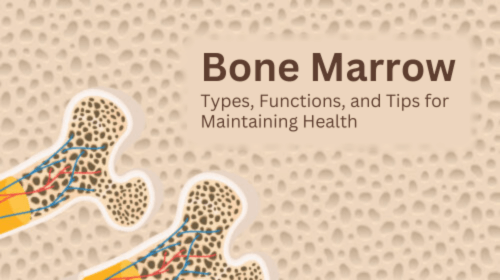
Bone marrow is the soft, spongy tissue inside somebody’s bones, including the hip and thigh bones. Bone marrow contains immature cells called stem cells. These cells can develop into any type of cell in the body.
Many people with blood cancers rely on bone marrow or cord transplants to survive. If an illness or disease affects bone marrow, it can no longer produce blood cells; a marrow transplant could be the best treatment option.
What is Bone Marrow?
Bone marrow is soft, jelly-like tissue that fills the medullary cavities or the centres of bones. The two types of bone marrow are red bone marrow, known as myeloid tissue, and yellow bone marrow, known as fatty tissue.
Red Bone Marrow
Red bone marrow produces all red blood cells, platelets, and around 60% of lymphocytes in human adults. Other lymphocytes begin their lives in the red bone marrow and develop into fully formed cells in the lymphatic tissues, including the thymus, spleen, and lymph nodes. In addition, red bone marrow is essential in removing old red blood cells from the liver and spleen.
The three types of blood cells produced from the stem cells in the red bone marrow are red blood cells, white blood cells, and platelets. These cells help transport oxygen throughout the body, fight infections, and prevent excessive bleeding.
Yellow Bone Marrow
The yellow bone marrow stores a lot of fat. The bones need food to stay healthy and function correctly. Under specific conditions, your bone marrow may change from yellow to red. The yellow bone marrow is typically found in the central cavities of long bones. A layer of red bone marrow surrounds it with long trabeculae (beam-like structures) within a sponge-like reticular framework.
The Function of Bone Marrow
Bone marrow is responsible for producing red blood cells and white blood cells. The purpose of bone marrow is to create different cells to keep a person alive. Several factors can affect the health of bone marrow and impair its ability to produce an average amount of healthy cells. A bone marrow transplant may be necessary when a person has a low number of white blood cells or a cancerous tumour. A bone marrow transplant can help replace a person’s blood cells, which can help fight off infections and other health problems.
A bone marrow transplant can help with the following:
- Replacement of broken bone marrow damaged by certain health conditions.
- Restoring bone marrow function after being damaged by high-dose chemotherapy or radiation therapy.
- Preventing more damage caused by specific genetic diseases.
- Regenerating the immune system to fight existing or remaining cancers, such as leukaemia.
Common Disorders That Affect Bone Marrow
Bone marrow is essential for generating red blood cells, white blood cells, and platelets. Improper bone marrow function can cause various severe health issues.
One major condition is leukemia, a type of blood and bone marrow cancer. It occurs when genetic mutations cause abnormal cells in the bone marrow to multiply uncontrollably, crowding out the production of healthy cells.
Other bone marrow-related disorders include:
- Aplastic Anemia – A medical condition in which the bone marrow produces an inadequate number of blood cells.
- Multiple Myeloma – A cancer where the bone marrow produces abnormal plasma cells.
- Myelodysplastic Syndromes (MDS) – A group of diseases in which the bone marrow doesn’t make enough healthy blood cells, often leading to anemia.
- Polycythemia Vera – A disorder that causes the body to create too many red blood cells, making the blood thicker.
Tests to Check Bone Marrow Health
Doctors use specific tests to assess how well your bone marrow is functioning and to examine your blood cells:
- Bone Marrow Aspiration: In this test, a needle is used to collect a small portion of bone marrow fluid and cells for examination. It helps determine which types of cells are present, whether they are normal or abnormal, and provides detailed information about their characteristics.
- Bone Marrow Biopsy: A larger needle is employed to remove a tiny section of bone marrow tissue. This allows doctors to see the structure of the marrow, the number of cells, and the types of cells present, giving a more complete picture of bone marrow health.
These tests are often performed together to provide a thorough evaluation of bone marrow function.
Frequently Asked Questions
1. Can a person live without bone marrow?
Without bone marrow, our bodies would not be able to produce the white cells we need to fight infection, the red blood cells we need to carry oxygen, and the platelets we need to stop bleeding. In addition, some illnesses and treatments can damage the bone marrow.
2. Is animal bone marrow good for you?
Bone marrow is full of collagen, which helps to improve the health and strength of bones and skin. This oil is also rich in glucosamine, a compound that can help relieve joint pain, reduce inflammation, and reduce the risk of osteoarthritis.
3. How can I keep my bone marrow healthy?
Maintain healthy bone marrow by eating protein-rich foods, taking essential vitamins like iron, B9, and B12, and managing any medical conditions that affect bone marrow.