 Health
  Find a
  Book an
 Bone Marrow Transplant: Procedure, Types, and Recovery
February 3, 2026
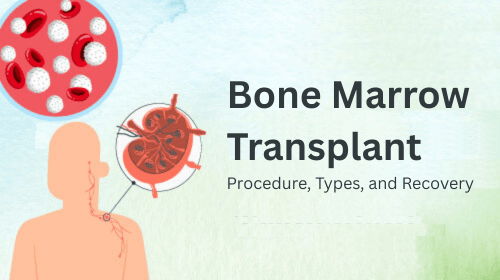
A bone marrow transplant is a treatment option for people with cancer or other serious diseases. A bone marrow transplant is a procedure in which cells found in the bone marrow (stem cells) are filtered and given back to the donor or another person. The goal of BMT is to replace unhealthy bone marrow cells with healthy ones to help a person overcome a problem with their bone marrow.
Bone marrow is a soft, fatty tissue located within the cavities of bones. It helps to create new blood cells and plays a role in the health of the bone. The bone marrow produces blood cells. Stem cells are immature cells that can give rise to different blood cells.
What is Bone Marrow?
Bone marrow is a soft, fatty tissue situated within the cavities of bones. Most blood cells in the body are developed and stored. Stem cells are the cells that make other blood cells.
- Renewal: It can reproduce another cell identical to itself.
- Differentiation: It can give rise to one or more subsets of more mature cells.
What are Stem Cells?
Stem cells are unique cells that can reproduce themselves and change into the many different kinds of cells your body needs. There are several different types of stem cells, each found in various body parts at different times. For example, cancer and cancer treatment can damage your hematopoietic stem cells, which are cells that can become either blood cells or other types of cells in the body.
Red blood cells carry oxygen throughout the entire body. For example, they help you to exhale carbon dioxide from your lungs. White blood cells form an essential part of your body’s immune defense system. They fight viruses and bacteria that can make you sick. In addition, platelets form clots to stop bleeding.
How Are Donors and Recipients Matched?
Matching a donor and recipient for transplantation is based on human leukocyte antigen (HLA) typing. HLAs are proteins found on the surface of certain white blood cells that help determine a person’s immune system makeup. While there are over 100 different HLA antigens, only a few key ones play a major role in donor compatibility. The remaining antigens are considered “minor,” and their exact impact on transplant success is still being studied.
Researchers continue to explore the role of all HLA antigens in bone marrow transplantation. A greater number of matching antigens enhances the likelihood of successful engraftment, allowing transplanted stem cells to reach the bone marrow and generate new blood cells.
Since most immune system-related genes are located on a single chromosome, a person inherits one set from each parent. As a result, full siblings have a 25% chance of inheriting the same HLA markers, making them an ideal match for transplantation.
Different Types of Bone Marrow Transplants
- Autologous bone marrow transplant: Autologous is one of the transplants of bone marrow transplants that occurs when the patient’s bone marrow is used. Stem cells are collected prior to undergoing high-dose chemotherapy or radiation therapy. They are stored in a freezer. Following high-dose chemotherapy or radiation, your previously collected stem cells are reintroduced into your body to regenerate new blood cells.
- Allogenic bone marrow transplant: The term “allo” refers to others. Stem cells are removed from another person and then used to create new tissue or organs. Most of the time, the donor’s genes must be at least partly similar to your genes for the transplant to work. Some special tests are done to see if a potential donor is a good match for you. Brothers or sisters are most likely to match well. Sometimes, parents, children, and other relatives are good for each other. If you are not related to the person you are donating to, you may be able to find a suitable donor through national bone marrow registries.
- Umbilical cord blood transplant: It is a form of allogeneic transplant in which stem cells are collected from a newborn’s umbilical cord immediately after birth. The cells are then frozen and preserved until they are required for transplantation. Umbilical cord blood cells are immature, which reduces the need for an exact donor match. However, because there are fewer stem cells, it takes longer for blood counts to return to normal.
A stem cell transplant is typically performed once cancer treatment is finished. Stem cells are administered into the bloodstream using a central venous catheter, in a procedure comparable to receiving a blood transfusion. The cells then travel through the blood to the bone marrow, and usually, no surgery is needed.
There are two methods for collecting donor stem cells
- Bone Marrow Harvest: This small surgical procedure is done under general anesthesia, where bone marrow is extracted from the back of both hip bones. The quantity taken is based on the recipient’s weight.
- Leukapheresis: The donor is given several days of shots to help move blood cells from the bone marrow into the bloodstream. Blood is removed from the donor through an intravenous line during this process. Stem cells are extracted from the donor’s white blood cells using a machine and subsequently transplanted into the recipient. The donor’s red blood cells are then returned to their bloodstream.
Purpose of a Bone Marrow Transplant
Doctors use a bone marrow transplant to restore healthy blood-forming cells in the body. This treatment helps when bone marrow is damaged or not working as it should.
It allows the safe use of strong chemotherapy or radiation by rebuilding the bone marrow afterwards. It can also replace unhealthy marrow with healthy stem cells. In some cases, the new stem cells may help the body fight and destroy cancer cells.
Bone marrow transplants may help people with both cancer and noncancer conditions, such as:
- Acute leukemia
- Chronic leukemia
- Hodgkin’s lymphoma
- Non-Hodgkin’s lymphoma
- Multiple myeloma
- Myelodysplastic syndromes
- Neuroblastoma
- Plasma cell disorders
- POEMS syndrome
- Primary amyloidosis
- Aplastic anemia
- Bone marrow failure syndromes
- Immune deficiencies
- Hemoglobin disorders
- Inherited metabolic disorders
- Adrenoleukodystrophy
Risk Factors
- Chest pain
- Lowering blood pressure
- Fever, chills, flushing
- Headache
- Hives
Complications from a bone marrow transplant depend on many things, including:
- Age
- Overall health
- How good a match was your donor?
- The kind of bone marrow transplant performed, whether autologous, allogeneic, or umbilical cord blood
Preparation for the Procedure
Before a bone marrow transplant, doctors check your overall health. They review your medical history, do a physical exam, and run tests to check your blood and organs such as the heart, lungs, liver, and kidneys. You may also have a bone marrow biopsy and a dental check to reduce the risk of infection.
You will meet members of the transplant team, including doctors, nurses, and a coordinator. A social worker or counselor may help you and your family prepare emotionally and practically.
A thin tube called a central line is placed into a large vein in your chest, neck, or arm. This line is used to give medicines, fluids, blood products, and stem cells, and to draw blood for testing.
If you are using your own stem cells, doctors collect them from your blood through a process called apheresis after giving you medicine to increase stem cell production. If you are receiving donor cells, a matching donor must be found, and stem cells are collected from the donor’s blood or bone marrow.
Before the transplant, you will receive chemotherapy and sometimes radiation. This prepares your body to accept the new stem cells.
You may also need to plan for time away from work and arrange help at home during recovery.
How the Procedure Is Performed
A bone marrow transplant happens after the preparation phase called conditioning. During conditioning, doctors give chemotherapy and sometimes radiation. This step destroys unhealthy cells, weakens the immune system, and makes space in the bone marrow for new stem cells.
Transplant Day
The actual transplant is not surgery. It is similar to receiving a blood transfusion. The patient stays awake during the procedure.
Doctors infuse the stem cells into the body through a central line placed in a large vein. If the stem cells were frozen, the team thaws them just before the infusion. Nurses and doctors closely watch the patient during the process.
Some people may feel mild side effects during the infusion. These can include chills, fever, nausea, a strange taste or smell, throat irritation, chest discomfort, or hives. The care team gives medicines to help manage these symptoms.
After the Stem Cells Enter the Body
The new stem cells travel through the bloodstream to the bone marrow. There, they begin to grow and make healthy blood cells. This process is called engraftment and usually takes several weeks.
During this time, the patient needs close monitoring. Doctors perform frequent blood tests and check vital signs. Patients may receive medicines to prevent infection, manage side effects, and, in donor transplants, reduce the risk of graft-versus-host disease.
Some patients stay in the hospital for weeks, while others may go home but must stay near the hospital for regular follow-up visits. Blood transfusions and extra medicines may be needed until the new bone marrow works well.
Recovery continues for months, with regular medical checkups to watch for complications and ensure the new stem cells are working properly.
Which Doctor Should I Consult?
If you are considering or have been advised to undergo a bone marrow transplant, you should consult a Hematologist or Hematologist-Oncologist. These are specialists in diagnosing and treating blood disorders, cancers of the blood (such as leukemia and lymphoma), and conditions affecting the bone marrow.
In many cases, you will also be referred to a Bone Marrow Transplant Specialist, a doctor who is highly experienced in performing and managing stem cell and bone marrow transplants.
Depending on your condition, your care team may also include:
- Oncologists – for cancer-related conditions requiring a transplant.
- Immunologists – for immune deficiency disorders.
- Pediatric Hematologists-Oncologists – for children requiring a bone marrow transplant.
A multidisciplinary approach ensures you receive the right pre-transplant evaluation, donor matching, transplant procedure, and post-transplant care to improve your chances of a successful outcome.
Frequently Asked Questions
1. What is the survival rate after a bone marrow transplant?
After the transplant, the survival rates for patients with acute leukaemia in remission are 55% to 68% if the donor is related and 26% to 50% if the donor is unrelated.
2. How serious is a bone marrow transplant?
A bone marrow transplant can be risky. While some individuals experience few issues following a bone marrow transplant, others may face severe complications requiring medical intervention or hospitalization, and in some cases, these complications can be life-threatening.
3. How painful is a bone marrow transplant?
The patient does not feel severe pain. A small cut is made to insert a wide-bore needle into the bone marrow. The needle is removed, and the collected stem cells are syringed. Once the anesthesia wears off, the donor might feel some pain. It may be necessary to take painkillers for the next few days.