 Health
  Find a
  Book an
 10 Signs You Should See an Orthopedic Doctor
July 30, 2025

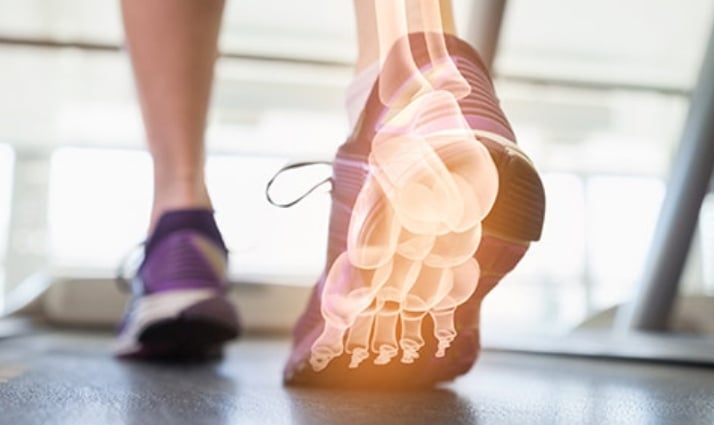
Our musculoskeletal system, composed of bones, muscles, joints, and ligaments, is responsible for our body’s movement and support. Any injury or damage to this system can cause pain, discomfort, and reduced mobility. An orthopedic doctor is a healthcare professional dedicated to the care of the musculoskeletal system, helping manage and prevent issues involving bones, joints, muscles, and related structures.
1. Pain and Discomfort
One of the most common reasons for consulting an Orthopedic doctor is pain and discomfort in the musculoskeletal system. This can be acute or chronic and can affect any part of the body, such as the back, neck, shoulders, hips, knees, and ankles. In addition, pain can result from an injury, overuse, wear and tear, or underlying medical conditions such as arthritis or osteoporosis. Orthopedic doctors are experts in diagnosing the root cause of pain and discomfort and providing effective treatment options, including medications, physical therapy, and surgery, if necessary.
2. Limited Mobility and Function
If you find it challenging to carry out everyday tasks like walking, climbing stairs, or lifting items, it might be time to consult an orthopedic specialist. Injuries or medical conditions affecting the musculoskeletal system, such as fractures, sprains, strains, osteoarthritis, rheumatoid arthritis, or tendonitis, can lead to reduced mobility and impaired function. An Orthopaedic doctor can assess your condition and recommend appropriate treatment options to improve your mobility and function.
3. Deformities
Deformities in the musculoskeletal system, such as bowlegs, knock knees, scoliosis, and clubfoot, can cause discomfort, pain, and reduced mobility. These deformities may be congenital or may develop later in life as a result of injuries, underlying medical conditions, or poor posture. An Orthopaedic doctor can assess your condition and recommend appropriate treatment options, such as bracing, casting, or surgery, to correct the deformity and improve your quality of life.
4. Sports Injuries
People who lead active lifestyles or play sports are more susceptible to injuries such as dislocations, fractures, sprains, and muscle strains. These injuries can occur due to overuse, sudden impact, or poor technique. Orthopedic doctors are experienced in sports injuries and can provide effective treatment options, such as rest, ice, compression, elevation (RICE), physical therapy, and surgery, if necessary.
5. Work-Related Injuries
Work-related injuries can affect any body part, including the musculoskeletal system. These injuries can occur due to repetitive motions, overexertion, or accidents. Orthopedic specialists can evaluate your condition and suggest suitable treatments, such as rest, physical therapy, or surgery when needed, to support your recovery and help you get back to work.
6. Joint Pain and Stiffness
Joint pain and stiffness can be a sign of underlying medical conditions, such as osteoarthritis, rheumatoid arthritis, and gout. These conditions may lead to joint inflammation and damage, causing pain, stiffness, and limited movement. An orthopaedic doctor can identify the root cause and suggest suitable treatments, including medication, injections, physical therapy, or surgery when required.
7. Numbness and Tingling
Tingling or numbness in the arms, hands, legs, or feet may indicate nerve compression or damage. In addition, medical conditions like carpal tunnel syndrome, sciatica, and herniated discs can cause these symptoms. Orthopedic doctors can evaluate your symptoms and recommend appropriate treatment options, such as medications, physical therapy, and surgery.
8. Bone and Joint Infections
Infections of the bones and joints can cause pain, swelling, and fever. These infections can occur due to injuries, surgery, or underlying medical conditions like diabetes or HIV. Orthopedic doctors can diagnose the infection and recommend appropriate treatment options, such as antibiotics, drainage, and surgery, if necessary, to prevent further damage and promote healing.
9. Sudden Onset of Symptoms
If you experience a sudden onset of severe pain, swelling, or redness in a joint or limb, it may be a sign of a serious medical condition, such as a blood clot, fracture, or dislocation. It is essential to seek immediate medical attention to prevent further damage and promote healing. Orthopedic specialists are equipped to identify and manage these conditions, offering prompt and effective treatment solutions.
10. Failed Previous Treatment
Suppose you have previously undergone treatment for a musculoskeletal condition, such as medication, physical therapy, or surgery, and still experience pain or limited mobility. In that case, it may be time to consult an Orthopaedic doctor. Orthopedic doctors can assess your condition and suggest suitable alternatives, such as minimally invasive procedures or joint replacement surgery, to enhance outcomes and improve your quality of life.
Summary
In conclusion, various signs and symptoms indicate the need for an Orthopaedic consultation. For example, suppose you are experiencing pain, limited mobility, deformities, sports injuries, work-related injuries, joint pain and stiffness, numbness and tingling, bone and joint infections, sudden onset of symptoms, or failed previous treatment. In that case, it may be time to see an Orthopedic doctor. Prompt detection and appropriate care can minimize damage and encourage effective recovery. Orthopedic specialists are equipped to deliver prompt and effective treatments aimed at supporting your recovery and enhancing your overall quality of life.