Liver Resection (Hepatectomy): Procedure, Recovery, and Care
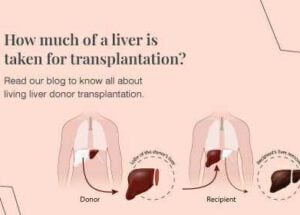
The surgical removal of a part or whole of the liver is termed liver resection or Hepatectomy. This surgery is performed when a diseased liver is removed from a cadaver or a liver transplant takes place. Liver tissue may also be donated by a living donor through the procedure called partial hepatectomy. Liver resection may be done either through a conventional open procedure or by using very few invasive techniques.
Who Is A Right Candidate for Liver Resection?
Patients diagnosed with liver cancer are generally the right candidates for liver resection. They may have a couple of tumours, about 5 cm or less, on the liver, without any blood vessels. Consequently, only a few patients suffering from this disease undergo liver resection.
What patients worry about this procedure is that after undergoing it, they may develop liver failure. This can happen if the rest of the liver isn’t sufficient to give adequate life support.
The Objective Of Liver Resection
Liver resection aims to remove the tumour and the surrounding liver tissue entirely. This is usually possible if the tumour size does not exceed three cm and the liver is still functioning well. So, the patient should not suffer from cirrhosis. Considering these guidelines, only very few patients suffering from liver cancer are eligible for liver resection.
Types
Liver resection can be either a major or a minor liver resection. A major resection involves the removal of more than three segments. Removal of small portions is a minor resection. Types of surgeries performed are:
- Major liver resection: Right or left hepatectomy, also called lobectomy, involves removing either the right or left lobe of the liver.
- Minor liver resection: Removal of a segment or a part of a segment with a tumour (with a margin around it) is called segmental or wedge resection. Another type of minor liver resection is the left lateral sectionectomy, which removes the outer portion of the left liver lobe.
- Multiple liver resections: It is possible that multiple tumours may be resected at the same time. Some tumours may best be treated with ablation. In such a case, your doctor may combine resection with ablation.
- Two-stage liver resection: Sometimes, your surgeon may suspect that it might be too dangerous to remove all the tumours in one operation. In such a case, they may do the resection in two stages. In the first operation, a part of the tumour will be removed. Afterwards, your liver is given several weeks to regenerate, ensuring enough healthy tissue remains for the second surgery. The second surgery will remove the remaining tumours.
Is it Possible for the Normal Liver to regenerate?
A few weeks after the normal liver is surgically removed, the remaining liver can regenerate to its normal size. However, if the patient suffers from cirrhosis, the liver cannot grow back. To know the possibility of surgery, therefore, the doctor should take a benign portion of the liver for biopsy and ascertain if the patient suffers from cirrhosis.
What Happens Before the Surgery?
Before liver resection, your doctor will evaluate if surgery is safe and beneficial. This depends on your overall health, whether the liver lesion can be removed, and if the cancer has spread.
Sometimes treatments like chemotherapy, radiation, or interventional radiology are given first to shrink the tumor and make surgery safer.
Your doctor will then decide between a partial hepatectomy (removing part of the liver) or a liver transplant, based on:
- Tumor size and location
- Health of the liver
- Amount of liver that will remain
- Transplant eligibility
To plan the surgery, you may need tests such as:
- CT scan or MRI
- Liver function blood tests
- Liver biopsy
These steps ensure a treatment plan that is safe, effective, and customized to your needs.
Recovery and Outlook
Recovery after liver resection surgery involves a hospital stay of a few days to a week, with recovery at home requiring gradual reintroduction of activity, avoiding heavy lifting for at least six weeks, and resuming a balanced diet. The liver can regenerate significantly, often returning to near its original size within a year.
In-Hospital Recovery
- Hospital Stay: You can expect to be in the hospital for a few days to a week, depending on the complexity of the procedure.
- Intensive Care: In complicated cases, patients may require one to two days of careful observation in the intensive care unit (ICU).
- Tubes and Drains: You’ll likely have tubes for fluid drainage, stomach decompression, and nourishment.
- Monitoring: The healthcare team will closely monitor vital signs, fluid balance, blood glucose, and for any signs of complications.
Recovery at Home
- Rest and Movement: Ensure you rest well, but include gentle activities such as short walks around your home to aid recovery.
- Incision Care: Make sure to keep the incision area clean and dry. Avoid baths or swimming until it’s fully healed, usually around 14 days.
- Activity Restrictions: You should avoid lifting anything heavier than 10 lbs for at least six weeks.
- Diet: Aim for a nutritious, well-balanced diet with ample protein to promote recovery. You might have to eat smaller meals more often.
- Alcohol: Avoid alcohol until after your outpatient follow-up appointment, typically around six weeks post-surgery.
Side Effects of Liver Resection
Liver resection can lead to various side effects and complications, both during and after the surgery. The effects may vary from mild and short-term to serious and potentially life-threatening. Some common side effects include pain, fatigue, and gastrointestinal issues like nausea, vomiting, diarrhoea, or constipation. More serious complications can include bleeding, infection, bile leakage, blood clots, and, in rare cases, liver failure.
When Is Liver Resection Not Recommended?
Liver resection is not recommended when the cancer has spread to other parts of the body, when the patient’s general health is too poor for major surgery, or if the patient has advanced liver cirrhosis that prevents the liver from functioning adequately after surgery. Key indicators for excluding a patient from surgery include distant metastasis, insufficient future liver remnant volume, advanced cirrhosis, and the presence of significant complications such as ascites or uncontrolled portal hypertension.
What to Expect After the Surgery?
After you recover in a post-anaesthesia unit, you will be moved to an in-patient room. If you have had a complex surgical case, you may need to stay in intensive care for one or two days following the surgery. Various tubes will drain fluids, decompress your stomach, and give you nourishment. The ICU team will carefully track your fluid and electrolyte levels, blood sugar, and blood loss, addressing any irregularities that arise. Even if you are stable, you will recover in the hospital for up to a week. You can gradually resume eating solid food and begin to move around when the tubes are removed. You will be on pain medication as you recover. Once discharged, you should see your surgeon again in two weeks to review your final pathology results and discuss your recovery.
When Can I Return to Normal Activities?
On the day after your surgery, you will be helped to sit up and move into a chair. By the second day, most patients can walk short distances around the ward. The physiotherapist will assist you in moving around and give you some simple exercises that will help. The sooner you mobilise, the easier it is to get moving. Once you leave the hospital, you may resume normal physical and sexual activities as you feel ready, but avoid heavy lifting and intense exercise for at least six weeks. You may feel tired after surgery, which is normal. Take rest, two or three times a day, and try to get a good night’s sleep.
Will I Need Chemotherapy Afterwards?
This will depend on the reason for the liver resection and the results of the surgery. Chemotherapy is given prior to and after liver resection for patients with colorectal (bowel) cancer. An oncologist (medical cancer specialist) will look at your case and advise on this.