 Health
  Find a
  Book an
 Combined Liver And Kidney Transplantation
Occasionally, a patient may need transplantation of both the liver and the kidneys. This can be because the patient has both liver and kidney failure, or occasionally when the liver problem is causing the kidneys to fail (as in hyperoxaluria)
At RILDT, we conduct liver and kidney transplantation combined, and it is challenging as it involves carrying out two major operations on a sick patient simultaneously and needs management by a multidisciplinary team of liver and kidney transplant surgeons, liver and kidney physicians, dialysis teams and intensive care specialists. We have successfully carried out the country’s largest number of combined liver and kidney transplantations. Our patients include those who have received a liver and a kidney from a deceased donor and patients who have received a part of the liver and a kidney from their close family members.
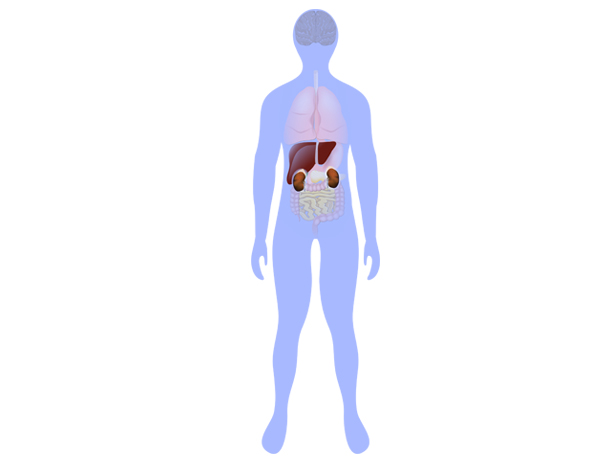
Combined liver and kidney transplantation is a complex procedure meant for patients who cannot recover with a single-organ transplant. When both the liver and kidneys are severely damaged, CLKT provides a life-saving solution, giving patients the chance for long-term recovery and a better quality of life.
Who Needs a Combined Liver and Kidney Transplant?
A combined transplant is considered when both organs are failing irreversibly, or when treating just one of them would not be enough to restore overall health. This often includes:
1. Advanced Liver Disease with Permanent Kidney Damage
Chronic liver conditions such as cirrhosis can place enormous strain on the kidneys. Over time, this may progress to severe kidney dysfunction that cannot recover on its own.
2. Genetic or Metabolic Disorders
Some inherited diseases damage both the liver and kidneys simultaneously. Replacing both organs at once can effectively treat the underlying condition and prevent recurrence.
3. Cases Where a Single-Organ Transplant Would Fail
If a patient received only a liver transplant but their kidneys were too damaged to recover, or vice versa, they could face complications shortly after surgery. CLKT helps avoid this scenario by treating both issues at once.
4. Severe Kidney Failure Caused by Long-Term Liver Dysfunction
Certain liver-related conditions can lead to renal failure that does not reverse even after correcting the liver problem. In these cases, a combined procedure offers the safest long-term outcome.
Complications
Because CLKT involves two major organs, the procedure is more complex than a standard transplant. Some of the key challenges include:
1. Longer and More Demanding Surgery
The operation requires replacing two organs in a single session. This increases surgical time, anesthesia exposure, and the overall demands on the patient’s body.
2. Higher Risk of Bleeding and Clotting Issues
Both liver and kidney failure affect how the body manages bleeding and clotting. During surgery, medical teams must closely manage blood loss and the patient’s coagulation status.
3. Increased Infection Risk
With two transplanted organs and strong immunosuppressive medications, patients are more vulnerable to infections during recovery.
4. Potential for Graft Dysfunction
Either the liver or kidney graft may not function immediately, requiring intensive monitoring and medical support in the early days after surgery.
5. Complex Post-Operative Care
Patients need round-the-clock supervision to balance fluids, stabilize blood pressure, support the newly functioning organs, and prevent rejection.
Despite its challenges, outcomes for carefully chosen patients keep improving thanks to better surgical methods, advanced intensive care, and improved immunosuppressive therapies.
Procedure for Combined Liver and Kidney Transplant
Although each transplant centre may have its own protocols, the CLKT process generally follows a well-coordinated structure.
1. Extensive Pre-Transplant Evaluation
Patients undergo a detailed assessment to determine surgical fitness, identify the cause of organ failure, and ensure both organs are needed. This includes imaging, blood tests, heart evaluation, and overall health review.
2. Donor Organ Allocation
Most CLKTs use organs from the same donor. This offers better compatibility and reduces the risk of rejection, making recovery smoother and safer.
3. Transplant Surgery – Liver First, Kidney Second
The operation usually begins with the liver:
- Surgeons remove the diseased liver and implant the donor liver.
- Blood vessels and bile ducts are connected.
- Once the liver is stable and functioning, surgeons proceed with the kidney transplant.
The kidney transplant involves connecting the donor kidney’s blood vessels and ureter, then restoring blood flow. Surgeons often check for early urine production as a sign of healthy kidney function.
4. Critical Care After Surgery
Following surgery, patients spend several days in intensive care. Medical teams monitor:
- Liver performance
- Kidney output
- Fluid and electrolyte balance
- Signs of rejection
- Infection risks
Immunosuppressive medications begin immediately and continue lifelong.
5. Long-Term Follow-Up
After discharge, ongoing monitoring is essential. Patients must attend regular checkups, maintain medication schedules, and follow dietary and lifestyle guidance to protect both transplanted organs.