 Health
  Find a
  Book an
 What Causes Vomiting in Children After Minor Head Injury?
March 9, 2026
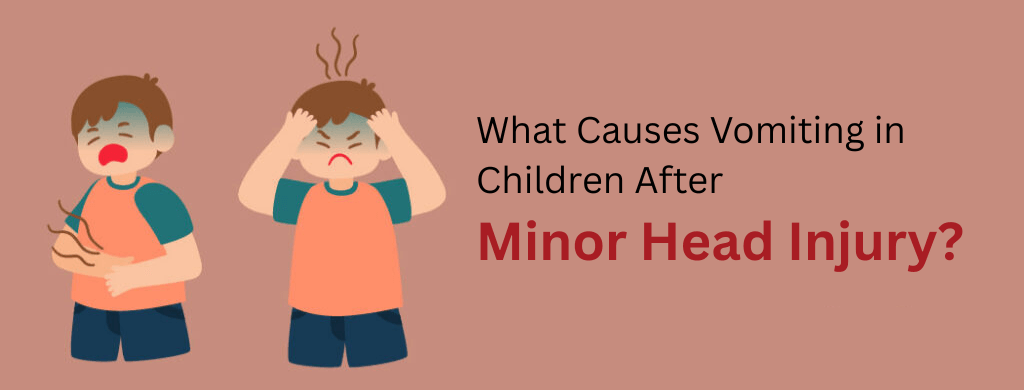
As part of growing up, children often fall and hurt themselves. As they are just learning to walk and hold themselves up, bangs and bumps often happen to little children. Generally, children under the age of four tend to fall and bang their heads and get hurt. As a result, they may acquire a bump that sometimes heals on its own without any medical intervention. But sometimes, head injuries can result in serious damage to the brain.
What is a Minor Head Injury in Children?
A head injury could be anything that causes a knock on the head and causes a lump, bruise, or cut. Sometimes, it can be even more serious. A head injury may vary in severity, ranging from mild to moderate to severe.
An Injury Could Include
Concussion: A head injury that temporarily disrupts normal brain function. The person may lose awareness or alertness for a few minutes or hours.
Contusion: A brain bruise that leads to bleeding and swelling at the site of impact. This typically occurs due to a forceful impact, causing the brain to jolt against the skull, leading to the tearing of the internal lining, tissues, and blood vessels.
Skull fracture: Skull fractures come in different types. It could just be a break in the bone that doesn’t move the bone. It could be that the skull is sunken, where the bone is broken. Sometimes, the fracture occurs along the suture lines in the skull. Many times, it is a break in the bone at the base of the skull.
Meningitis: In rare cases, vomiting after a head injury may be a symptom of meningitis in kids. Meningitis refers to an infection that inflames the membranes surrounding the brain and spinal cord. If a head injury has exposed the skull, bacteria or viruses can enter the brain, leading to infection. Symptoms include vomiting, fever, and confusion.
Post-Traumatic Headache: Headaches are common after a head injury and can also trigger vomiting. When the impact of an injury causes swelling or inflammation in the tissues around the brain, it can put pressure on nerves, leading to a headache. This condition, known as post-traumatic headache, can persist for weeks or even months after the injury and may be accompanied by vomiting.
Motion Sickness: Injuries can interfere with the vestibular system’s role in balance and coordination, depending on their site and severity. Injury to this system can lead to dizziness, vertigo, and nausea, which are typical signs of motion sickness. If the injury impacts the vestibular system, vomiting may occur as the body reacts to the perceived imbalance.
Common Causes
After a traumatic brain injury, one of the most common effects is vomiting. It could be mild, isolated episodes or severe, persistent nausea and vomiting. There are many causes for vomiting after a head injury:
- The release of Neurotransmitters that trigger the vomiting center causes vomiting.
- Vestibular dysfunction: When the cerebellum or inner ear gets injured, it can cause balance and dizziness problems. These can trigger vomiting.
- Skull fracture: A skull fracture causes extreme pain, which leads to vomiting
- Intracranial hematoma: This is a dangerous collection of blood inside the skull.
Vomiting can last for days or weeks after a head injury. The frequency decreases as time passes. If the vomiting is persistent and the person is unable to keep any food or liquids down, it is important to see a doctor immediately.
When to Worry and Seek Medical Help?
Parents of a child who has had a head injury must watch the child carefully for signs of a worsening situation. A parent should call the paediatrician or take the child to emergency care if the child develops any of the following:
- Vomiting four to six hours after the injury
- Develops a headache that is worsening
- Is drowsy and difficult to awaken
- Is confused and does not act normally
- Has a problem with walking, talking, or seeing
- Has a stiff neck
- Develops a stiff neck
- Has a seizure (like a convulsion), or do you see any other worrisome behavior
- Keeps crying and looks sick
- Has weakness or numbness in any body part
Diagnosis of Head Injury in Children
A head injury in a child is diagnosed based on the child’s symptoms, medical history, and a physical examination. The healthcare provider will ask about the child’s recent injuries and any symptoms they are experiencing.
To better understand the injury, the doctor may recommend certain tests. Blood tests may be done to check for possible problems in the body. X-rays can help view bones and detect any fractures. MRI scans use strong magnets and computers to create detailed images of the brain and other tissues. A CT scan may also be used to get clear images of the brain, bones, and other internal structures, helping doctors identify possible damage.
In some cases, neuropsychological testing may be done to assess brain function after the injury. Children involved in organized sports may also undergo an ImPACT test, which measures brain processing and is often used to compare brain function before and after a head injury.
Since head injuries can affect the nervous system, some children may require additional medical evaluation and follow-up care.
Treatment for Vomiting in Children After Minor Head Injury
The treatment for vomiting after a minor head injury depends on the child’s symptoms, age, and overall health. In many cases, vomiting improves with proper care and rest once serious problems have been ruled out by a doctor.
Rest and observation: Children should rest and avoid physical activities for some time after a head injury. Parents or caregivers should closely watch the child for any worsening symptoms such as repeated vomiting, severe headache, or unusual behaviour.
Keeping the child hydrated: Vomiting can cause dehydration, so it is important to give the child small amounts of fluids frequently. Water, clear liquids, or mild drinks such as ginger tea may help calm the stomach and maintain hydration.
Relaxation techniques: Simple methods such as slow and deep breathing may help reduce nausea and vomiting. These techniques can also help calm anxiety after an injury.
Acupressure methods: Gentle pressure on certain points, such as the inner wrist or earlobes, may help reduce nausea in some children. This can be done by applying gentle circular pressure for a few minutes.
Medications: Doctors may recommend medicines to control nausea and vomiting if symptoms continue. In some cases, stronger anti-nausea medicines may be prescribed.
Medical care for severe cases: If the head injury is more serious, the child may need hospital care. Treatment may include monitoring the child closely, performing tests, or giving medicines to control symptoms. In rare cases, additional medical procedures may be needed.
Proper care and early medical advice can help ensure a safe recovery after a minor head injury. If vomiting continues or new symptoms appear, medical attention should be sought immediately.
Home Care for Children
Watch your child carefully at home. There are a few things that you can do to help your child. Ensure that a responsible adult cares for the child for at least 48 hours after the head injury.
What to eat: If they are nauseous and vomiting, give them clear liquids such as juice. They may not feel like eating or drinking anything, but it is important to stay hydrated. It is important to sip on fluids. You can try mint tea, lemonade, ginger ale, or water. Chewing ginger root is an effective way to reduce nausea.
Deep breaths: Taking deep breaths activates the parasympathetic nervous system. This will reduce the biological response that triggers vomiting and nausea. Deep breathing can calm anxiety and reduce nausea. Breathe in deeply for a count of four, pause for four seconds, then slowly release the breath over another four seconds.
Aromatherapy: Certain aromas can reduce nausea and vomiting after a head injury. Add essential oil to a diffuser and try breathing over it. You can use the flavors of lemon, clove, chamomile, peppermint, and rose.
Conclusion
There is no way we can stop our children from getting head injuries. Bumps and bruises will always be a part of growing up. A simple bump may not be something that you need to worry about, but serious injuries must be attended to immediately. It is important to familiarize yourself with the symptoms of severe head injuries in children. Vomiting can be a cause for worry, and persistent vomiting must be attended to immediately.
Frequently Asked Questions
1. How can we prevent head injuries in children?
It is quite impossible to prevent injuries. Especially children who are learning to walk or hurt themselves while playing. It is important to take precautions and ensure their safety in whatever way possible.
To prevent head injuries in children, ensure they wear helmets for biking and sports, use properly installed car seats and seat belts, secure furniture and install safety gates at home, supervise play in safe environments, and teach road safety rules.