 Health
  Find a
  Book an
 Urinary Tract Infection (UTI) During Pregnancy: Causes, Symptoms, and Prevention
July 15, 2025
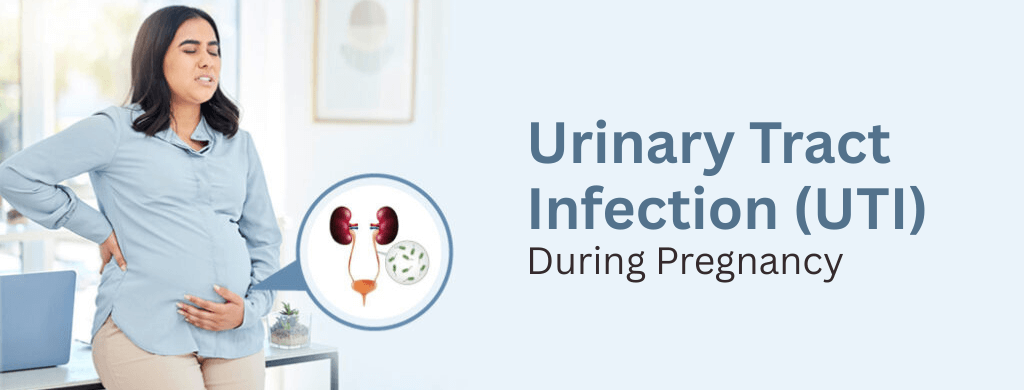
A frequent perinatal complication that affects around 8% of pregnancies is urinary tract infection (UTI). These infections range in severity from asymptomatic bacteriuria (ASB) to acute cystitis with symptoms of pyelonephritis, which is the most dangerous. The most frequent bacterial infection found in urine samples from expectant mothers is Escherichia coli (E. coli). “Developing a urinary tract infection while pregnant can raise the chances of premature birth and having a baby with low birth weight. Urine infections during pregnancy are quite prevalent; thus, healthcare providers must be able to identify, diagnose, and treat these at the earliest.
What is a Urinary Tract Infection (UTI)?
Bacteria can cause a urinary tract infection when they enter and infect parts of the urinary system, such as the bladder (cystitis), urethra (urethritis), or, in more severe instances, the kidneys (pyelonephritis).
The body’s urinary system is responsible for eliminating waste and surplus fluids. It is composed of the bladder, which gathers and holds the urine, the urethra, the tube that empties the urine from the body, two kidneys, which produce the urine, and two ureters, which transport the urine to the bladder.
Pregnancy changes the urinary tract’s anatomy and physiology, which might raise the risk of kidney infections and urinary tract infections. The main cause of UTI is typical vaginal, perineal, and gut-associated bacteria, with E.coli being the most prevalent. Infection results from the rapid multiplication of these bacteria once they enter the urinary system.
Urinary Tract Infection (UTI) in Pregnancy
A bladder infection, commonly referred to as a urinary tract infection (UTI), occurs when bacteria infect the urinary tract. Due to changes in the urinary system, women who are pregnant are more likely to have urinary tract infections beginning in week six and continuing until week twenty-four. Hormonal changes that delay the flow of urine increase the chances of a urinary infection in pregnancy. Thus, before being washed out of the urine, germs have more time to proliferate. In addition, when the uterus expands, the extra weight may obstruct the bladder’s ability to empty, which might lead to an infection.
Common Causes
The uterus enlarges for the developing fetus during pregnancy. The ureters, which are tubes that transport urine from the kidneys to the bladder, are under pressure as a result of this growth. During pregnancy, the urine also has a lower acidity level and increases in proteins, carbohydrates, and hormones. A urinary tract infection is more prone to occur when these factors combine.
Urinary tract infections can also strike women during and after childbirth. Bacteria entering the urinary system are more likely to occur during childbirth. A woman may have swelling and sensitivity in her bladder after giving birth, which increases the risk of a urinary infection during pregnancy.
Symptoms
Women’s bodies vary, so it’s important to report any pain or discomfort to the doctor, especially if experiencing any of the following common UTI symptoms:
- A sensation of burning when urinating
- Increased frequency of toilet visits (although frequent urination on its own is normal and safe during pregnancy)
- Mild fever
- Lower-abdominal pain or discomfort
- A low-grade fever
- A strong urge to urinate, even though little urine is ejected
- Cloudy, dark, bloody, or foul-smelling urine
- Lower abdominal pain or discomfort
- Pain that radiates to one or both sides of the upper abdomen or the back may be a sign of a kidney infection that needs to be treated right away.
- A kidney infection may manifest as chills, nausea, vomiting, and/or a high fever
- Nausea or vomiting
Diagnosis
UTIs are diagnosed through a urine sample, which is examined in a laboratory under a microscope to detect bacteria. Your doctor will review your symptoms and might conduct a physical exam.
Pregnant individuals are routinely offered a urine test, usually during their first antenatal visit or shortly after. You may need to repeat the test if you have a history of UTIs, experience UTI symptoms, receive an unclear test result, or if your doctor considers you at high risk. If UTIs occur frequently, additional tests, such as a kidney ultrasound, may be required.
Prevention
These actions may help minimize the risk of a urinary infection in pregnancy:
- Consume plenty of fluids, preferably water: Urine becomes diluted when water is consumed. Due to the increased frequency of urination, germs can be removed from the urinary system before an illness can start.
- Drinking cranberry juice: A 2012 review from the National Library of Medicine suggests that cranberries contain compounds that may prevent bacteria from adhering to the urinary tract lining. This effect can help reduce the risk of infection and aid in its elimination.
- Make a front-to-back wipe while cleaning the genitals: Perform this action following a bowel movement and urination. It aids in stopping germs from entering the vagina and urethra from the anus.
- Empty bladder pre and post-intercourse: Emptying the bladder before and after sexual intercourse is essential. To assist in flushing out germs, a sip of a full glass of water might be helpful.
- Refrain from using feminine items that can irritate: Deodorant powders, douches, and sprays are some of these items that may irritate the urethra when used in the genital region.
- Modification in birth control methods: It’s advisable to change the birth control methods, as bacterial growth can be facilitated by diaphragms, spermicide-treated condoms, and non-lubricated condoms, which will accelerate urinary infection in pregnancy.
- Avoid wearing tight-fitting pants or underwear: It’s advisable to wear comfortable, breathable clothes and cotton underwear, especially during pregnancy, to prevent unwanted sweating in and around the genital area, which aids in bacterial growth.
- Eliminate refined foods, aerated drinks, caffeine, and alcohol: Maintaining a nutritious diet with plenty of vitamin C-rich foods and leafy green vegetables supports a healthy digestive system during pregnancy.
As an alternative to antibiotics, some women could select one of the above-mentioned therapies. Before doing so, though, it is advisable to speak with a doctor. To guarantee that natural remedies are effective and that a UTI does not progress, a doctor will periodically evaluate a pregnant patient.
Conclusion
Pregnancy can cause urinary tract infections, which are rather frequent. Pregnant women who experience symptoms of a urinary tract infection should visit their doctor right away. If a pregnant woman and the growing fetus are not treated, urinary tract infections (UTIs) can lead to major difficulties. It is possible to avert these issues with prompt action, as early detection of urine infection in pregnancy is aided by routine pregnancy tests.
Frequently Asked Questions
1. Why do UTIs frequently occur during pregnancy?
Urine infections in pregnancy are common. This is because the developing fetus may exert pressure on the urinary system and bladder, as a result of which urine leaks or microorganisms are trapped, which can lead to urinary tract infections.