 Health
  Find a
  Book an
 Third-Degree Heart Block: Causes, Symptoms, & Treatment Options
February 2, 2026
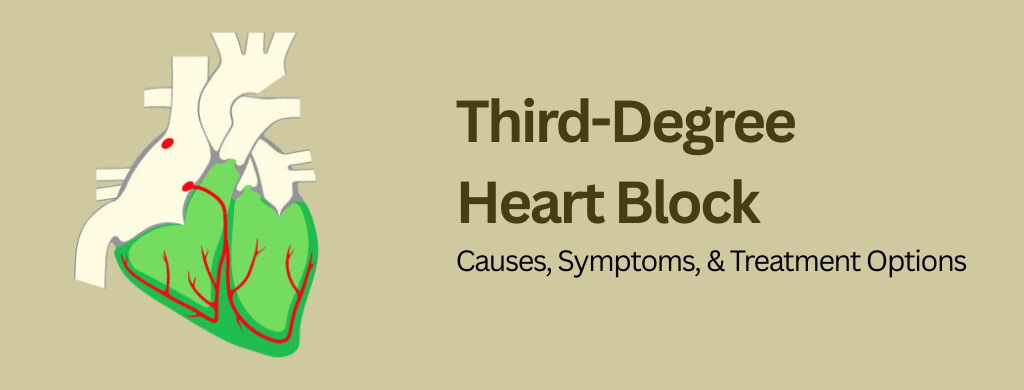
When there is a problem with your heartbeat signal moving from the upper to the lower part of your heart, it is described as a heart block. Sometimes the signal gets through, and sometimes it cannot. This causes the heart to beat slowly or skip beats. People with third degree heart block will experience fainting, tiredness, and shortness of breath.
Heart block can be of the first degree, second degree, or third degree.
What is Third Degree Heart Block?
When electrical impulses that control the heartbeat cannot travel from the atria, or the top chambers of the heart, to the bottom chambers, or the ventricles, it is called a third-degree heart block. The ventricles in the heart are the chambers that push the blood out of the heart and into the body. When the heart doesn’t pump as it should, the blood flow to the organs is affected. It may be fatal if a person with third-degree heart block does not receive treatment when the heart stops beating.
Causes
A third-degree heart block may be caused by:
- A heart attack
- A disease of the heart muscle called cardiomyopathy
- A serious injury to the chest
- A genetic heart condition
- Certain types of infection
- Electrolyte imbalance
- Lyme disease
- Myocardial fibrosis refers to the scarring of heart tissue, which can disrupt the heart’s electrical pathways
- Open heart surgery
- Overdose of a few drugs
- Valve disease
High BP and high fasting blood sugar levels are also associated with increased risk of heart block. Managing three factors could help to reduce the risk of heart block. It is possible that a family history or a congenital heart block at birth may be the cause of a third-degree heart block.
Symptoms
A person with a third-degree heart block has a very faint pulse. They may have other symptoms like:
- Dizziness or light-headedness
- Fatigue
- Fainting
- Chest pain or pressure in the chest
- Shortness of breath
- Diagnosis of Third-Degree Heart Block
The following tests can diagnose a third-degree heart block:
- An electrocardiogram (ECG)
- An electrophysiology study
- Heart rhythm monitoring
An EKG can be helpful to reveal if there is a relationship between the atrial and ventricular contractions. A doctor will look for symptoms of decreased blood flow and oxygen. The following blood tests may also be ordered:
- Digoxin levels to check for digoxin toxicity
- Electrolyte levels
- Glucose levels (can be low if beta blockers are causing the heart block)
- Troponin levels are measured to detect signs of a heart attack.
If the cause is still unclear, the doctor may order further appropriate tests. In the case of an unborn baby, if the ultrasound reveals a slow heartbeat, it is possible that the fetus has a heart block.
Risk Factors
The most common cause of heart block is scarring in the heart tissue that happens with aging. Some people are born with this condition. People who have heart disease or who smoke often have a higher risk.
The following conditions can increase the risk of heart block:
- Cardiomyopathy
- Coronary thrombosis
- Myocarditis (inflammation of the heart muscle)
- Endocarditis (inflammation of the heart valves)
- Scar tissue in the heart after a medical procedure or heart attack
Severe or sudden heart block can also occur after a heart attack or heart surgery. In some cases, it may develop as a complication of Lyme infection.
Diagnosis
To diagnose heart block, the doctor will talk with the patient about their symptoms and medical history. The doctor will also check the heart rate and heart rhythm. Based on the person’s age and health condition, the doctor may suspect heart disease and refer the patient to a cardiologist.
Several tests can help confirm heart block.
Electrocardiogram (ECG)
This is the most common test. Small sensors are placed on the chest to record the heart’s electrical activity. The results appear as wave patterns. Changes in these waves can show a heart block and may also show whether the left or right side of the heart’s electrical pathway is affected.
Holter monitor
This is a small, portable device that records the heart’s activity over 24 hours or longer. The patient wears it under their clothes while doing normal daily activities. If symptoms appear, the patient can press a button to mark that moment in the recording.
Echocardiogram
This is an ultrasound scan of the heart. It allows the doctor to see the heart muscles and valves and check how well they are working.
Electrophysiology study
In this test, doctors use small electrical signals to find the cause of an abnormal heart rhythm and locate where the problem starts in the heart.
Tilt-table test
During this test, the patient lies on a special table that changes position. This can trigger abnormal heart rhythms and help doctors understand the cause of symptoms.
Treatment Options
Initially, a doctor may try intravenous atropine, a medication that increases the heart rate. Next, they administer dopamine and epinephrine. These neurotransmitters may help in temporarily supporting the heart.
The cardiologist may begin transcutaneous pacing (TCP). The doctor will place pads on the skin that conduct electrical signals. This will temporarily restore a typical heart rate. A person receiving this treatment may be sedated so that it does not feel unpleasant.
If giving electrical signals through the skin is not working well, a doctor may resort to transvenous pacing instead. This means that a temporary pacemaker will be inserted through a vein. The pacemaker will emit electrical signals to regulate the heartbeat.
In case the person needs a pacemaker over the long term, the doctor will implant a permanent pacemaker. A compact, battery-operated device that is surgically placed in the chest, close to the collarbone. The device contains leads or wires that extend into the heart and transmit electrical signals. This helps maintain a steady heartbeat.
In case the third-degree heart block is due to a reversible cause like medication, addressing the cause can reverse the heart block.
Living with Third-Degree Heart Block
A person can go home once they are stable. Recovery will involve:
- Avoid driving for a month.
- Caring for the wounds caused by the pacemaker implantation.
- Taking antibiotics to prevent infection.
- Use an arm sling to immobilize the shoulder during the night.
A person with a permanent pacemaker must avoid electromagnetic devices such as MRI scans. Timely checkups are required to assess the battery’s life and function. You must contact the doctor if you develop any of the following symptoms:
- Pain or swelling around the wound
- Sores or pus around the wound
- Fever and chills
- Nausea
The long-term outcome for individuals with this condition is largely influenced by their overall health and the factors responsible for the heart block.
Conclusion
Third-degree heart block is a potentially life-threatening medical emergency. It can be triggered by a heart attack, heart disease or side effects of medication. It is very important that a patient gets attention as soon as they notice symptoms such as dizziness, slow pulse, fatigue, and fainting. Getting the attention in time increases the chances of survival. Normally, treatment with a pacemaker restores a healthy heart rate.