 Health
  Find a
  Book an
 Sour Taste in Mouth: Causes, Remedies, and When to Seek Help
June 10, 2025
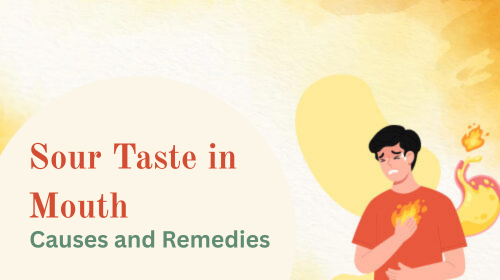
Have you ever noticed a sour taste in your mouth that bothers you between meals? Is it because your appetite is suffering from food that doesn’t taste as good as usual? Have you wondered what causes it?
Having a sour, sour, or foul taste in your mouth may be a reaction to something you ate. It’s not uncommon to suddenly “burp up” something that did not agree with you. However, this symptom can be discomforting if it happens again and again. Some people will endure a sour taste in their mouth, and most will tell you it’s incredibly unenjoyable. A sour flavor in one’s mouth may result from an unwanted oral condition.
Causes
Explore the diverse aspects that can contribute to a sour taste in the mouth, from poor oral hygiene to underlying health conditions, and discover effective solutions for each cause.
1. Poor Oral Hygiene
This is the leading cause of a sour taste in the mouth, especially when experienced upon waking up. Moreover, an accumulation of saliva and bacteria on the tongue, teeth, and gums can cause bad breath and alter taste perception.
Solution: Brush your teeth at least twice daily, once in the morning and once before bed. Additionally, cleaning your tongue is essential to prevent coated tongue, which results from bacteria and dead cell buildup and can contribute to bad breath.
2. Gastroesophageal Reflux Disease (GERD)
GERD happens when stomach contents back up into the oesophagus during digestion. As a result, the acid can flow back to the mouth, leaving a sour taste.
Solution: Steer clear of overly fatty or hard-to-digest foods, as they can elevate the acidic levels in your stomach. Avoiding substantial meals is also essential, making it difficult for the stomach to digest efficiently.
3. Antibiotics or Antidepressants
Certain medications, once consumed, are absorbed into the body and later excreted through saliva, leading to a sour taste in the mouth. Examples of medications that can cause a sour taste include antibiotics like tetracyclines, gout treatments such as allopurinol, and lithium. Additionally, certain drugs prescribed for heart disease may also contribute to this effect.
People who use antidepressants may experience a dry mouth, altering taste perception.
Solution: A sour taste typically fades within a few days after starting a new medication. However, if it persists and becomes bothersome, consult your prescriber, who might recommend an alternative treatment.
4. Vitamin Supplements
This side effect is quite common and typically emerges once the supplement has been fully absorbed by the body.
Solution: It is recommended to wait a few minutes to allow the body to absorb the supplement fully. If the sour taste is particularly strong or lingers, consider consulting your prescriber about adjusting your dosage or exploring an alternative supplement.
5. Pregnancy
Dysgeusia, a shift in taste perception, is a common symptom during the first trimester of pregnancy, triggered by hormonal fluctuations. It typically fades within a few days, though some women describe experiencing a metallic taste, resembling that of a coin or water from a metal cup.
Solution: Drinking lemonade or enjoying a lemon popsicle can be a great way to eliminate a sour taste in the mouth.
6. Liver Problems
When the liver is not working correctly, the body accumulates high amounts of ammonia, a toxic substance generally transformed into urea by the liver and eliminated in the urine. Increased ammonia levels cause a change in taste, similar to fish or onion.
Solution: Liver problems usually present other symptoms, like fatigue or general malaise. If liver disease is suspected, it’s important to consult a doctor to confirm the diagnosis and begin treatment if needed.
7. Respiratory Infections
Upper respiratory tract infections like colds, rhinitis, sinusitis, or tonsillitis can lead to a sour taste in the mouth, caused by bacterial by-products.
Solution: Drinking at least 2 liters (approximately 8 cups) of water daily is crucial, as it helps alleviate the sour taste and promotes faster recovery. If liver disease is suspected, it is advisable to consult a medical professional for diagnosis confirmation and to initiate treatment if needed.
8. Dehydration
When your body does not get enough fluids, saliva production decreases, which can lead to a dry mouth and a sour taste. Saliva helps maintain a healthy pH balance and naturally cleans the mouth by removing acids and food particles. Drinking enough water each day and increasing saliva flow can help reduce this acidity. Chewing sugar-free gum and using a humidifier may also help relieve dryness and keep your mouth fresh.
Treatment
Treatment for a persistent bad taste in your mouth depends on the cause. Treatment may not be necessary for a few cases, such as the hormonal changes that cause the taste. Viral infections can also go away without treatment, and the taste should go away.
And if you are required to undergo treatment, a few treatment options are mentioned below.
Medication or Supplement Adjustment
If a medication or supplement is causing the taste, your doctor may recommend an alternative or adjust the dosage accordingly. If cancer therapy is causing the taste, it will usually go away when the treatment ends.
Address Medical Conditions
Treating the underlying condition will generally end the bad taste in your mouth. However, issues with gums or other oral health conditions can contribute to an unpleasant taste in the mouth.
Home Remedies and Prevention
Simple home remedies and daily habits can help reduce a bad or sour taste in your mouth. These should be used along with proper medical or dental care.
- Practice good oral hygiene by brushing, flossing, and using an antibacterial mouthwash regularly.
- Stay hydrated by drinking enough water throughout the day.
- Chew sugar-free gum or mints to boost saliva production and keep your mouth fresh.
- Avoid tobacco, alcohol, caffeine, and soft drinks, as they can worsen the taste.
- Reduce sugar intake to prevent oral infections.
- Avoid spicy or fatty foods if you have acid reflux.
- Try different foods or mild spices to mask the unpleasant taste.
- Brush your teeth after meals to keep your mouth clean.
In some cases, prevention may be limited, especially if the cause is a sinus issue, medication, pregnancy, or ongoing treatment. However, following these simple steps can help manage symptoms and improve comfort until the condition resolves.
Frequently Asked Questions
1. Is a sour taste in the mouth a sign of coronavirus?
According to a previous study, people with COVID-19 can have reduced taste and a distorted sense of taste. As a consequence, taste perception may become distorted, making everything seem sweet, sour, or metallic (dysgeusia), or leading to a complete loss of taste (ageusia).