 Health
  Find a
  Book an
 Pancreas Divisum: Causes, Symptoms, Diagnosis, and Treatment
March 20, 2026
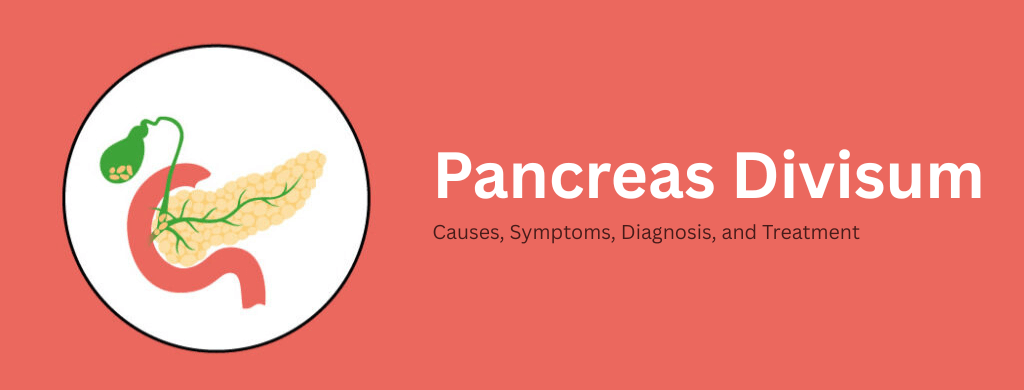
Pancreas divisum is a congenital condition where the pancreatic duct fails to develop properly. Instead of draining digestive enzymes through the main duct, the pancreas relies on a smaller opening, leading to inefficient drainage. While many individuals remain asymptomatic, some may experience symptoms similar to pancreatitis due to this abnormal enzyme flow.
During the seventh week of pregnancy, the dorsal and ventral pancreatic buds typically fuse to form a single pancreatic duct. However, in individuals with pancreas divisum, this fusion does not occur. As a result, pancreatic enzymes drain primarily through the minor papilla via the dorsal duct instead of the major papilla.
Approximately 95% of people with pancreas divisum experience no symptoms. In certain cases, the narrow drainage pathway can create a buildup of pressure within the pancreatic duct, which may trigger recurring pancreatitis. In severe cases, this may progress to chronic pancreatitis.
Symptoms
A majority of the people with pancreas divisum live their entire lives without knowing they have this condition. However, if symptoms do appear, they closely resemble those of pancreatitis.
- Severe abdominal pain
- Fever
- Indigestion
- Vomiting and nausea
- Loss of appetite
- Fatty poops, which are excess fat in the stool
- Rapid heartbeat and quick, shallow breathing
- Low blood pressure causes lightheadedness
Causes
Pancreas divisum is caused by the atypical development of the pancreas in the womb.
Normally, the development of the pancreas involves fusing two parts called buds: the front (ventral) bud and the back (dorsal) bud. Each of these buds has its own duct. In the seventh week of pregnancy, normally, these two buds come together to form the pancreas. At this time, the two ducts join to form the pancreatic duct.
In patients with pancreas divisum, the two ducts do not typically join. Instead of a single pancreatic duct, patients with pancreas divisum may have two different, smaller ducts that drain the pancreas. Consequently, the pancreatic juices may drain through a small opening instead of through the larger pancreatic duct.
This atypical development of the pancreas, called pancreas divisum, leads to inefficient drainage of the organ.
Diagnosis
Pancreas divisum may often show up during a CT scan of the abdomen being done for another, totally unrelated condition. If the patient is reporting symptoms, additional tests may be required.
- Endoscopic ultrasound: This produces ultrasound images of the pancreas on a screen that can help detect inflammation in the pancreas.
- Magnetic resonance cholangiopancreatography (MRCP): Through this test, the doctor will be able to see the entire pancreatic duct on a screen.
- Endoscopic retrograde cholangiopancreatography (ERCP): Through a scope and X-rays the images of the pancreatic duct are recorded and examined.
Treatment
Usually, no treatment is attempted if the patient is not reporting any symptoms. When the symptoms of pancreatitis are mild, the doctor may advise a treatment plan that includes:
- Oral pain management medication.
- Diet control with low-fat meals. This reduces the load on the pancreas.
- Taking pancreatic enzyme supplements to improve digestion.
For severe cases, the doctor will attempt a procedure to widen the minor papilla, the small opening that is draining the pancreas currently. They may do this in one of two ways:
- Endoscopy: During ERCP, the doctor may make a small cut and enlarge the opening of the minor papilla. They may even place a stent at the opening to keep it enlarged.
- Open surgery: The doctor will choose to perform an open surgery if endoscopy is not likely to suit the patient or if the test has been attempted earlier and failed. Even in this case, the doctor’s goal will be to enlarge the opening of the minor papilla.
Complications
Pancreas divisum does not cause problems in many people. However, in some cases, it can lead to complications, especially if it is not treated or managed well.
- Acute Pancreatitis: This is the most common complication. The pancreas becomes suddenly inflamed. It may cause severe pain in the upper abdomen that can spread to the back. Other symptoms include nausea, vomiting, fever, and a fast heartbeat. This condition needs quick medical care.
- Recurrent Pancreatitis: Some people may have repeated attacks of pancreatitis. These episodes can happen again and again, leading to ongoing discomfort and damage to the pancreas over time.
- Chronic Pancreatitis: If inflammation happens many times, it can become long-term. This may lead to permanent damage to the pancreas and affect how it works.
- Pancreatic Insufficiency: The pancreas may not produce enough digestive enzymes. This may cause poor digestion, weight loss, and a lack of essential nutrients in the body.
- Diabetes: Damage to the pancreas can affect insulin production. This may increase the risk of developing diabetes.
- Infection: Inflammation of the pancreas can increase the risk of infection, which may worsen the condition if not treated early.
- Complications from Treatment: Procedures used to treat pancreas divisum, such as ERCP, may rarely cause problems. These include pancreatitis, bleeding, or a small tear in the intestine. In some cases, the treated area may become narrow again.
Prevention
Pancreas divisum is a condition present from birth, so it cannot be prevented. However, you can reduce the risk of symptoms and complications by following simple healthy habits.
Eat a balanced, low-fat diet to support good digestion and reduce stress on the pancreas. Stay active with regular exercise to maintain overall health and a healthy weight.
Avoid alcohol and smoking, as these can increase the risk of pancreatitis and worsen symptoms.
Pay attention to warning signs like abdominal pain, nausea, or vomiting. Seek medical care early if symptoms appear. Follow your doctor’s advice and treatment plan to prevent further problems.
Most people with pancreas divisum live a normal life without issues, especially when they take proper care of their health.
Living with Pancreas Divisum – Does it Affect Daily Life?
If there are no symptoms, there is nothing to worry about. A patient can live their entire life not knowing that they have pancreas divisum. People with symptoms can manage well without any serious medical intervention. In painful cases, both endoscopy and surgery are believed to be safe and worthwhile options to repair the condition. These options may not always work for chronic pancreatitis.
A patient without symptoms may discover that they have pancreas divisum when undergoing an imaging test for another condition. In such cases, no action or focus is required. Specifically, when no symptoms have shown up so far, there is a very low chance that they may show up in the future. If the patient has symptoms, following the doctor’s advice is an efficient way to deal with this condition. Both endoscopy and open surgery work well for most patients.