 Health
  Find a
  Book an
 Noonan Syndrome: Causes, Symptoms, Diagnosis & Treatment
August 4, 2025
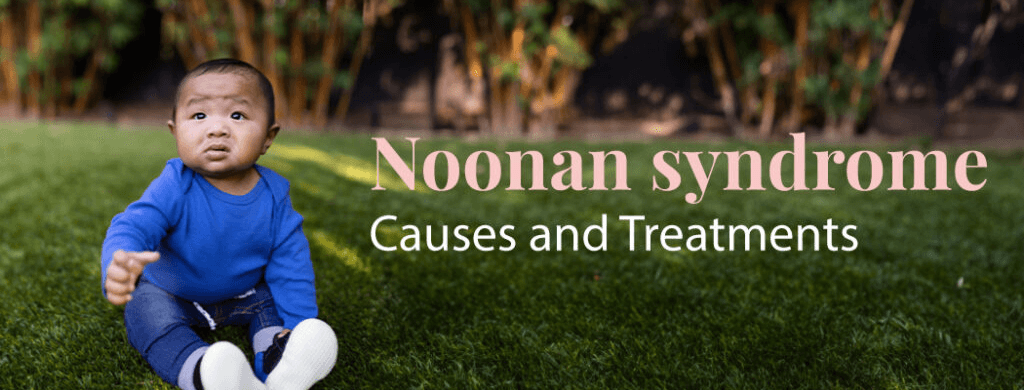
Noonan syndrome is a hereditary disorder that prevents normal development in several bodily parts. Doctors manage the condition by managing its complications and symptoms. Symptoms include unusual facial features, short height, heart, and other physical issues. It can also cause a child to develop more slowly than normal, for example, when walking, talking, or learning new things.
What is Noonan Syndrome?
A prenatal genetic abnormality, Noonan syndrome, impedes normal development in many parts of the human body. Noonan syndrome affects 1 in 1000 to 1 in 2500 people as an uncommon condition. The physical characteristics of the disorder vary greatly in range and severity, and a wide spectrum of symptoms is present. The related anomalies in many afflicted individuals are short height, an unusual chest deformity, a wide or webbed neck, a low posterior hairline, and an unusual facial look. Noonan syndrome does not threaten life, while life expectancy is normal, and related health issues are anticipated later in life.
Causes
Occasionally, the cause of Noonan Syndrome is unknown. Noonan syndrome may result from a mutation in one or more genes. These genes undergo changes that result in always-active proteins. The regular process of cell development and division is disrupted by this continuous activation of proteins, which is related to the formation of tissues in the body and these genes.
The Noonan syndrome-causing gene mutations can be:
- Inherited Gene Changes: Offspring of a parent with Noonan syndrome who has the altered gene are fifty percent likely to experience the illness themselves. This form of inheritance is known as autosomal dominant.
- Unknown Gene Changes: A child may acquire Noonan syndrome due to a newly altered gene, indicating that the child did not get that gene from a parent. This is referred to as a de novo genetic disorder.
Eight gene mutations have been connected to the condition. The majority of the mutations in these five genes are linked to the disorder:
- SOS1
- PTPN11
- KRAS
- RAF1
- RIT1
Symptoms
The Noonan syndrome has a wide range of symptoms. The intensity of them varies from minor to severe. The following are the symptoms listed below:
- Few Facial Characteristics: Large eyes, low-set ears, a broad nose and forehead, and a tiny jaw may be present as symptoms.
- Musculoskeletal Problems: Anomalies of the elbows or breastbone, kyphosis or scoliosis, or aberrant curvature of the spine.
- Conditions Affecting the Eyes: Astigmatism, squinting, amblyopia (lazy eye), ptosis (drooping eyelids), and large distances between them.
- Hearing Issues: Sensorineural deafness or hearing loss
- Cardiovascular Problems: Hypertrophic cardiomyopathy (heart muscle thickening), atrial or ventricular septal abnormalities, pulmonic stenosis (heart valve problem), irregular heart rhythm.
- Problems with Growth: Low stature becomes noticeable when the child turns two if treatment is not received.
- Learning Problems: Some individuals with Noonan syndrome may have lower IQ or minor learning impairments.
- Additional Problems: Although they are less frequent, eating and behavior disorders are also potential concerns.
- Blood Problems: Abnormal white blood cell count and blood coagulation disorders can result in increased bruising and bleeding.
- Disorders of the Lymphatic System: Lymphedema (fluid accumulation in the lymphatic system).
- Reproductive Problems: Male infertility and undescended testes.
- Disorders of the Kidneys: Lack of one kidney, for instance.
Diagnosis
Diagnosing Noonan syndrome involves a thorough evaluation of physical characteristics, medical history, and genetic testing. Physicians assess distinct facial features, short stature, congenital heart defects, and other common signs associated with the condition.
Because Noonan syndrome resembles other genetic disorders, genetic testing is essential for confirming the diagnosis. Mutations in genes like PTPN11, KRAS, SOS1, RAF1, and RIT1 are commonly linked to the condition. However, in cases where no genetic mutation is detected, clinical features remain the primary basis for diagnosis.
Doctors may also order additional tests to assess associated complications, including:
- Echocardiogram & Electrocardiogram (ECG): To evaluate congenital heart defects.
- Ultrasound: To check for organ abnormalities, including kidney or lymphatic system issues.
- Blood Tests: To detect clotting disorders, which are sometimes present in individuals with Noonan syndrome.
- X-rays & CT Scans: To analyze bone structure and detect skeletal abnormalities.
Since the severity of Noonan syndrome varies, a genetics specialist can provide a comprehensive evaluation and recommend appropriate medical management. Early diagnosis helps in addressing complications effectively and improving long-term health outcomes.
Treatment
Noonan syndrome is treated by addressing many aspects of the condition.
- Preventing Major Cardiac Issues: Prompt identification and treatment of cardiac issues can avert long-term health effects. The best course of action may involve medication, surgery, or close monitoring, depending on the kind and severity of your heart issue.
- Recognizing and Managing Medical Complications: Noonan syndrome is linked to several health issues, such as cancer, infertility, and bleeding. As of yet, no test can determine if these issues start to interfere with health. Regularly planned check-ups allow the healthcare practitioner to spot new issues through a physical examination and the medical history, while they are still curable.
- Encouraging Normal Growth: Some children with Noonan Syndrome have been treated with growth hormone to promote growth, which aids in achieving the ideal height and bone structure and has been said to be effective for children with Noonan Syndrome.
- Genetic Counseling: Since this condition is typically inherited, genetic counseling can help parents gain as much knowledge of developing specific illnesses, including Noonan syndrome, before considering starting a family.
Can Noonan Syndrome Be Prevented?
Noonan syndrome cannot be prevented because it is caused by genetic changes. In many cases, it happens randomly and is not linked to anything the parents did or did not do.
If Noonan syndrome runs in your family, it is important to talk to a doctor or a genetic counselor before planning a pregnancy. Genetic counseling can help you understand the chances of passing the condition to a child. Genetic testing may also help detect the condition before or during pregnancy.
Although Noonan syndrome cannot be stopped from occurring, early diagnosis plays an important role. When the condition is found early, regular medical care can help manage symptoms and reduce the risk of complications, such as heart problems.
Complications
Noonan syndrome can lead to several complications that may need long-term care and monitoring. The type and severity of problems can vary from person to person.
- Developmental delays are common in children with Noonan syndrome. Some children may take longer to sit, walk, or speak. Learning difficulties, speech problems, and behavioral issues may also occur. Many children benefit from early support, special education, and therapy.
- Bleeding problems can occur due to issues with blood clotting. Excessive bruising or bleeding may not be noticed until a person has dental treatment, surgery, or a serious injury. Knowing this risk in advance is important.
- Lymphatic system problems may cause fluid buildup in different parts of the body. This condition, called lymphedema, can lead to fluid collecting around the heart or lungs and may cause breathing or heart-related issues.
- Urinary tract problems can develop due to structural changes in the kidneys. These issues may increase the risk of urinary tract infections and other kidney-related concerns.
- Fertility issues may affect some males with Noonan syndrome. Undescended testicles or poorly functioning testicles can lead to a low sperm count and reduced fertility.
There is also a higher risk of certain cancers, including leukemia and other childhood tumors. Although the overall risk is low, regular medical follow-up helps with early detection.
Early diagnosis and regular care can help manage these complications and improve quality of life.
Conclusion
Usually inherited, Noonan syndrome is a very common genetic illness that can also strike individuals whose parents do not possess the gene. Short height, angular eyes and head, and a thick neck are typical characteristics.
People with Noonan syndrome often live long lives. However, they may have lifetime obstacles such as weak bones, heart problems, blood clotting abnormalities, and other conditions. A precise diagnosis and the right course of treatment are facilitated by genetic testing, blood testing, and cardiac function testing.
To stay informed about new therapies and studies, a visit to a healthcare practitioner is advised to discuss the most recent experimental trials.
When to See a Doctor
Noonan syndrome symptoms can occasionally be difficult to identify. Consult your child’s pediatrician or your primary care physician if you think you or your child may have this problem. Depending on the symptoms, you could be sent to a genetics expert, a specialist in cardiac issues, or another kind of physician.
Frequently Asked Questions
1. What is the difference between Noonan Syndrome and Turner Syndrome?
Noonan Syndrome and Turner Syndrome both cause short stature but differ in cause and effect. Noonan Syndrome is a genetic disorder affecting both males and females, caused by mutations in genes like PTPN11 and KRAS. It often includes heart defects (right-sided), distinctive facial features, and possible developmental delays. Turner Syndrome, affecting only females, results from a missing or abnormal X chromosome. It leads to short stature, webbed neck, infertility, and heart defects (left-sided). Both conditions can be managed with growth hormone therapy, but Turner Syndrome also requires estrogen replacement for puberty development