 Health
  Find a
  Book an
 Neurological Disorders: Causes, Symptoms, Diagnosis, and Treatment
January 24, 2026
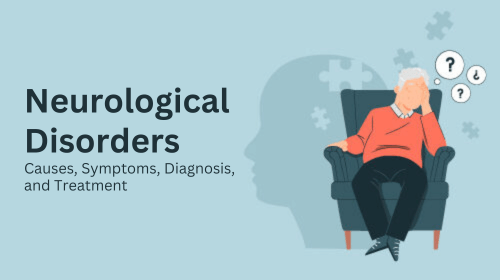
Neurological disorders are a category of illnesses that affect the central and peripheral nervous systems. The central nervous system includes the brain and spinal cord, while the peripheral nervous system (PNS) extends from the CNS to the body, connecting it through a network of nerves.
Neurological diseases affect the brain and the nerves in the body. Problems with the structure, chemical balance, or electrical signals in the brain, spinal cord, or nerves may result in different neurological symptoms. Examples of symptoms include paralysis, muscle weakness, poor coordination, loss of sensation, seizures, memory loss, confusion, pain, and an altered level of consciousness.
Causes
There are many possible causes of neurological problems, including
- Genetic disorders
- Congenital abnormalities or disorders
- Infections
- Lifestyle or environmental health problems
- Malnutrition
- Brain injury
- Spinal cord injury
- Nerve injury
In addition, there are many types of neurological disorders, some of which are more common than others. On the other hand, mental disorders primarily involve abnormalities of thought, feeling, or behaviour, which can cause distress or impairment of function.
Neurological disabilities encompass various disorders, such as epilepsy, learning disabilities, neuromuscular disorders, autism, ADD, brain tumours, and cerebral palsy. Some neurological conditions are genetic, appearing before birth. Neurological disabilities can be caused by various factors, including tumours, degeneration, trauma, infections, and structural defects. Regardless of the cause, all neurological disabilities result from damage to the nervous system. If the damage is located in specific areas of the body, the extent to which those areas of the body are impacted can vary.
Common Neurological Disorders and Their Symptoms
Neurological disorders are conditions that interfere with the functioning of the brain, spinal cord, or nerves and can produce both mental and physical symptoms.
Headache
A headache is one of the most common types of pain. Headaches come in different forms, such as migraines, sinus headaches, cluster headaches, and tension headaches. The most common type of headache is tension, which is caused by tight neck, jaw, scalp, and shoulder muscles. The common trigger factors of headaches include stress, lack of sleep, consumption of alcohol, and missing out on meals.
Seizure
There are two types of seizures: generalised seizures that affect both sides of the brain and focal seizures that only affect one specific brain area.
The two types of generalised seizures are:
- Absence seizures: Absence seizures can cause symptoms such as blinking rapidly or staring into space.
- Tonic-clonic seizure: Tonic-clonic seizures can cause crying out, falling on the ground, muscle spasms or cramps, and loss of consciousness.
The two types of focal seizures include
- A simple focus seizure may cause an unusual taste or odour, and twitching.
- A complex focal seizure can cause confusion or disorientation.
Alzheimer’s Disease and Dementia
Dementia refers to a collection of symptoms linked to a gradual decline in brain function, and it can manifest in several different forms. Dementia exists in multiple forms. Alzheimer’s disease is the main condition responsible for most cases of dementia.
Signs of AD include:
- Amnesia
- Lost or misplaced items
- Wander and get lost
- Repeated questions
- Impaired judgment
- Difficulty handling money and paying invoices
- It takes time to complete daily tasks
- Loss of spontaneity and sense of initiative
- Increased anxiety, aggression, or both
- Changes in mood and personality
Parkinson’s Disease
Parkinson’s disease ranks as the second most frequent neurodegenerative disorder, after Alzheimer’s disease. This can lead to the following symptoms:
- Muscle tremors that typically start in the hand or arm
- Muscle stiffness can affect movement and facial expressions
- Slowed movement, which may manifest as slow and shuffling walking
Parkinson’s disease is the second most prevalent neurodegenerative disorder, following Alzheimer’s disease. There is currently no known cause for the loss of nerve cells in PD.
Multiple System Atrophy (MSA)
Multiple System Atrophy is a rare, adult-onset, progressive, and fatal neurodegenerative disorder. It is a type of synucleinopathy and is the second most common movement disorder after Parkinson’s disease, with an annual incidence of about 3 per 100,000 people.
MSA affects multiple systems in the body. Damage to the autonomic nervous system (ANS) can lead to problems such as fainting, abnormal heart rate, erectile dysfunction, and poor bladder control. Involvement of the basal ganglia causes parkinsonian symptoms like tremor, stiffness, poor coordination, and difficulty with speech and walking. When the cerebellum is affected, it results in ataxia, which affects balance and coordination.
These symptoms occur due to the gradual loss of nerve cells in the brain and spinal cord. Because several features overlap with Parkinson’s disease, especially in the early stages, MSA can be hard to distinguish from Parkinson’s disease.
Stroke
A stroke is the medical term for interrupting the blood supply to part of the brain. If the brain doesn’t have enough blood flow, its cells can’t get the oxygen and nutrients they need to function and survive.
There are three types of stroke:
- An ischemic stroke arises when a blockage in a blood vessel stops oxygen-rich blood from reaching part of the brain.
- A hemorrhagic stroke takes place when a brain blood vessel breaks, causing bleeding within the brain.
- Transient ischemic attack (TIA) results from a temporary interruption in the blood supply to the brain.
When cells in the impacted region of the brain die, they lose their ability to carry out essential functions. As a result, the symptoms of a stroke vary based on which part of the brain is damaged.
The signs of a stroke can include
- Sudden confusion
- Difficulty understanding speech
- Difficulty speaking
- Difficulty seeing in one or both eyes
- Severe headache
- Numbness or weakness on one side of the body
- Difficulty walking and dizziness
ALS: Amyotrophic Lateral Sclerosis
ALS, or Lou Gehrig’s Disease, is a rare neurological disorder that progressively damages nerve cells in both the brain and spinal cord. While the cause of ALS remains unclear, both hereditary factors and environmental exposures may be involved in its development. Symptoms such as muscle weakness and twitches, muscle stiffness, slurred speech, and trouble with breathing or swallowing can be difficult to pinpoint and typically need assessment by a neuromuscular specialist.
Traumatic Brain Injury (TBI)
Traumatic brain injury is a global cause of death and disability, especially in people under 45 years of age. According to the World Health Organization (WHO), about 69 million people worldwide suffer a TBI each year. It is a major public health issue because it can lead to both short-term and long-term disabilities.
Acquired brain injury, also called head injury, refers to damage to the scalp, skull, brain, or related blood vessels. It does not include brain damage caused by neurodegenerative diseases such as multiple sclerosis or Parkinson’s disease. Acquired brain injuries are mainly classified into traumatic injuries caused by external force and non-traumatic injuries caused by internal or external factors.
Cerebral Palsy (CP)
Cerebral Palsy (CP) is a group of non-progressive neurological disorders caused by damage to the developing brain. It mainly affects movement, posture, and muscle control and is the most common cause of disability in children. CP is often linked with problems related to sensation, thinking, communication, behavior, and seizures.
CP can affect multiple body systems, including the neuromuscular, musculoskeletal, respiratory, digestive, urinary, and heart-related systems. Because of its wide impact, early understanding and treatment are important to manage symptoms, slow complications, and improve the overall quality of life for children with cerebral palsy.
Spinal Cord Injury (SCI)
Spinal Cord Injury (SCI) is a neurological condition caused by damage to the spinal cord that disrupts the normal transmission of signals between the brain and the body. This damage can lead to partial or complete loss of movement, sensation, and autonomic function below the level of injury.
SCI may affect muscle strength, coordination, bladder and bowel control, sexual function, and breathing, depending on the severity and location of the injury. The condition can result in long-term physical limitations and complications, requiring ongoing medical care, rehabilitation, and lifestyle adjustments.
Multiple Sclerosis (MS)
Multiple Sclerosis (MS) is an autoimmune disorder of the central nervous system marked by ongoing inflammation, loss of myelin, scarring, and damage to nerve cells. It can follow a relapsing-remitting or progressive course, with lesions appearing in different areas of the brain and spinal cord at different times. Because of this pattern, the disease is described as being disseminated in time and space. The severity and progression of MS vary widely, ranging from mild, stable symptoms to rapidly disabling disease, with relapsing-remitting MS being the most common form.
Amyotrophic Lateral Sclerosis (ALS)
Amyotrophic Lateral Sclerosis (ALS), also called Lou Gehrig’s disease, is a fatal adult-onset neurological disorder and a type of motor neurone disease. It is marked by the progressive degeneration of both upper and lower motor neurons, which leads to muscle weakness, wasting, and loss of voluntary movement. As the disease advances, paralysis develops, and life-threatening complications such as swallowing difficulties and respiratory failure may occur.
Although there is no cure, multidisciplinary care plays an important role in management. Physical therapy, tailored to individual needs and abilities, helps maintain function, support active living, and improve quality of life as the disease progresses.
Diagnosis
A healthcare provider diagnoses a neurological disorder through a combination of a neurological examination and specialised testing. During the examination, your provider evaluates how your nervous system is functioning.
Further testing may be necessary to determine the exact cause of your symptoms and guide appropriate treatment. These tests can include:
- Blood tests – to detect infections, inflammation, or other underlying conditions.
- Imaging tests (MRI or CT scan) – to visualise the brain, spinal cord, and nerves for structural abnormalities.
- Electroencephalogram (EEG) – to monitor the brain’s electrical activity.
- Electromyography (EMG) – to assess muscle and nerve function.
- Nerve conduction study – to evaluate how well electrical signals travel through the nerves.
- Spinal tap (lumbar puncture) – to analyse cerebrospinal fluid for infections or neurological conditions.
- Sleep study – to examine sleep-related neurological issues.
These assessments help your healthcare provider make a precise diagnosis and create an individualised treatment plan tailored to your needs.
Management and Treatment
The approach to treating neurological disorders can differ greatly based on the specific type and seriousness of the condition. Common approaches include:
- Medications – to help control symptoms or slow the advancement of the disease.
- Assistive devices – including devices like braces, walkers, or wheelchairs to enhance movement and maintain independence.
- Physical or occupational therapy – to enhance strength, coordination, and daily functioning.
- Speech therapy – to address difficulties with communication or swallowing.
- Surgery – to correct structural issues or remove tumors affecting the nervous system.
- Participation in clinical trials – experimental treatments tested on humans under controlled conditions.
Since treatment is individualized, your healthcare provider will develop a plan customized to address your particular symptoms. Prior to beginning treatment, your provider will review possible risks and side effects to help you make well-informed decisions about your care.
Frequently Asked Questions
1. Which ten neurological disorders are the most common?
Common neurological disorders include spinal cord injuries, Alzheimer’s disease, ALS, ataxia, Bell’s palsy, brain tumors, cerebral aneurysms, epilepsy, Guillain-Barré syndrome, and various headache disorders.
2. What are the types of neurological disorders?
Neurological disabilities encompass a range of conditions, including epilepsy, learning disorders, neuromuscular diseases, autism, ADD, brain tumors, and cerebral palsy.
3. How do you know if you have a neurological disorder?
Physical indications of neurological issues can include partial or total paralysis, muscle weakness, seizures, unexplained pain, or numbness. Spasticity occurs when muscles become stiff and rigid, often accompanied by heightened reflexes, which can impact your ability to move normally.