 Health
  Find a
  Book an
 Nebulizers: How They Work, Uses, and Care for Healthy Lungs
October 15, 2025
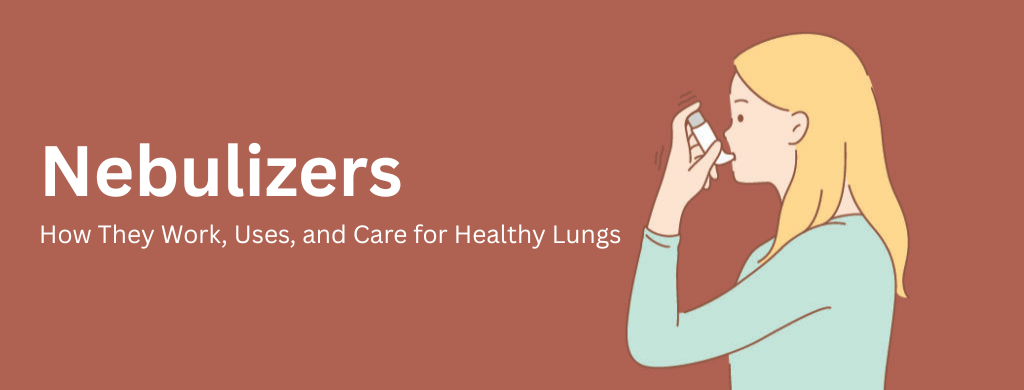
A nebulizer transforms liquid medicine into a breathable mist, allowing it to be inhaled straight into the lungs. This can effectively treat respiratory conditions like asthma or chronic obstructive pulmonary disease (COPD).
What Is a Nebulizer?
A nebulizer transforms liquid medication into a breathable mist, allowing it to reach the lungs directly. The device consists of a compressor, a cup for the medication, and a mask or mouthpiece to deliver the mist. Nebulizers are commonly used to administer medication straight to the lungs, ensuring fast and efficient absorption. Nebulizers are often used to deliver medication directly to the lungs, where it can be absorbed quickly and effectively.
Types of Nebulizers
Nebulizers come in various types, such as::
- Jet nebulizers are the most common type of nebulizer and use compressed air or oxygen to turn the liquid medication into a mist.
- Ultrasonic nebulizers generate a mist using high-frequency vibrations and are typically quieter than jet nebulizers.
- Mesh nebulizers use a fine mesh to turn the liquid medication into a mist and are often smaller and more portable than other types of nebulizers.
Why Might You Use a Nebulizer?
Nebulizers are commonly used to manage various respiratory conditions, including:
- Asthma: Nebulizers can be used to deliver bronchodilators and other medications to treat asthma symptoms, such as wheezing, coughing, and shortness of breath.
- COPD: Nebulizers can administer bronchodilators, steroids, and other medications to help relieve COPD symptoms like coughing, wheezing, and breathlessness.
- Cystic Fibrosis: Nebulizers can be used to deliver medications to help loosen and clear mucus from the lungs in people with cystic fibrosis.
Nebulizer vs Inhaler
Nebulizers and inhalers both deliver medication to the lungs, but there are some critical differences between the two. Inhalers are small, handheld devices that deliver medicine in a spray or aerosol form. They require coordination between breathing in and pressing down on the inhaler, which can be difficult for some people, especially children or those with severe respiratory conditions. On the other hand, nebulizers deliver medication in a mist form and require no coordination between breathing in and using the device. They can benefit people with severe respiratory conditions or those who have difficulty using inhalers.
How Do I Use a Nebulizer?
To use a nebulizer, follow these steps:
- Wash your hands thoroughly.
- Place the compressor on a flat surface and plug it into an electrical outlet.
- Connect one end of the tubing to the compressor and the other end to the medication cup.
- Fill the cup with the prescribed amount of medication.
- Attach the mask or mouthpiece to the cup.
- Turn on the nebulizer and breathe in the mist through the mask or mouthpiece.
- Continue to breathe in the mist until all of the medication is gone or until the nebulizer stops working.
- Follow the manufacturer’s guidelines to clean the nebulizer properly.
How Do I Care for My Nebulizer?
Proper care of your nebulizer is important to ensure it continues working effectively. Here are some tips for caring for your nebulizer:
- Clean the nebulizer after each use: Doing this prevents bacterial or other harmful buildup. Then, wash the cup, mask, and tubing with warm, soapy water and let them air dry.
- Disinfect the nebulizer regularly: Besides washing, it’s important to disinfect it regularly to kill bacteria or viruses. You can do this by boiling the parts for 10 minutes or using a disinfectant solution.
- Replace parts as needed: Over time, the parts of your nebulizer may become worn or damaged. Replace them as necessary to ensure that your nebulizer continues to work effectively.
- Store your nebulizer properly: Store your nebulizer in a clean, dry area, protected from dust and other potential contaminants when not in use.
Who to Consult for Nebulizing and When
If a nebulizer has been prescribed, consult your healthcare provider to ensure proper use and correct medication dosage. Your healthcare provider can advise you on the proper frequency and timing of nebulizer use, as well as guide you on its care and maintenance. In addition, if you experience any side effects or worsening of your respiratory symptoms while using your nebulizer, contact your pulmonologist immediately.
Managing Respiratory Conditions with a Nebulizer
A nebulizer can effectively treat respiratory conditions such as asthma or COPD. However, understanding how to use and care for your nebulizer properly is essential for achieving the best results. Consult your healthcare provider if you have any questions or concerns about using a nebulizer.
Frequently Asked Questions
1. Do you just use water in a nebulizer?
No, you should not use water alone in a nebulizer. Nebulizers are designed to be used with specific liquid medications prescribed by a healthcare provider. Using water alone in a nebulizer can cause damage to the device and may not effectively deliver the medication to the lungs.
2. Do you breathe out through your nose when using a nebulizer?
When using a nebulizer, you can exhale either through your mouth or your nose. However, exhaling through your mouth is recommended to ensure that you are fully inhaling the medication mist.
3. How long do you inhale from a nebulizer?
The amount of time it takes to inhale a nebulizer varies depending on the type of medication and the dosage prescribed. However, on average, inhaling a total dose of medicine usually takes 10-15 minutes. Therefore, inhaling the medication for the entire prescribed time is important to ensure you receive the full benefit.