 Health
  Find a
  Book an
 How to Stop Leg Cramps: Causes, Remedies, and Prevention Tips
June 14, 2025
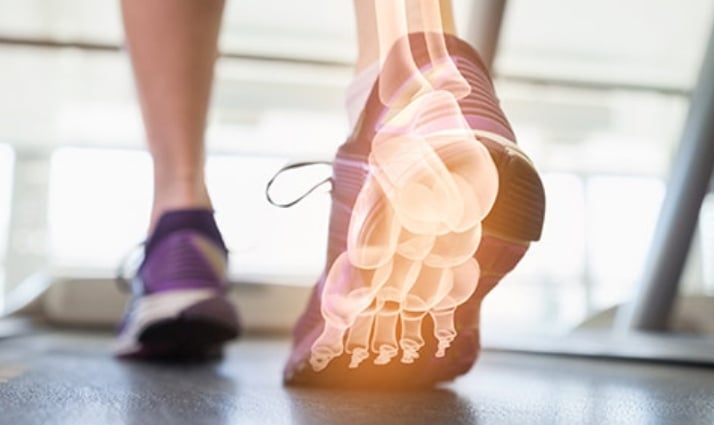
Leg cramps, commonly referred to as nocturnal leg cramps or Charley horses, are a common occurrence characterised by sudden and involuntary muscle contractions. While these cramps mainly target the calf muscles, they can also develop in the thighs or feet. They can manifest as intense pain, tightness, or a visible bulging of the affected muscle.
Leg cramps can occur unexpectedly, both during physical activity and while at rest. However, they are particularly prevalent during the night, hence the term “nocturnal leg cramps.” Many individuals experience the unpleasant sensation of being abruptly awakened by the sharp pain and muscle tightness associated with these cramps. Consequently, sleep disturbances are a common consequence, leading to fatigue and irritability the following day.
The duration of leg cramps can vary widely. In most cases, they last for a few seconds to a few minutes before subsiding. However, some individuals may endure more prolonged cramps that persist for several hours, causing significant discomfort and hindering mobility.
Who Gets Leg Cramps?
Leg cramps can impact individuals of all ages and from all walks of life. However, certain factors increase the likelihood of experiencing leg cramps. These include older age, pregnancy, certain medical conditions (such as kidney disease, diabetes, and peripheral artery disease), dehydration, electrolyte imbalances (particularly low levels of potassium, calcium, or magnesium), and prolonged periods of inactivity or muscle overexertion.
What Causes Severe Leg Cramps at Night?
Night-time leg cramps, as the name suggests, occur specifically during sleep or at rest. They often jolt individuals awake, causing sudden pain and muscle tightness. These cramps can disrupt sleep patterns and lead to sleep disturbances, leaving individuals fatigued and irritable the next day.
Severe leg cramps at night can be caused by dehydration, low potassium, calcium, or magnesium levels, certain medications, poor blood flow, or pregnancy. Factors like alcohol, caffeine, and smoking can also contribute. To prevent cramps at night, stay hydrated, stretch before bed, and avoid foods high in sugar, salt, and processed fats.
Symptoms and Causes
The symptoms of leg cramps can range from mild discomfort to severe pain. During a cramp, the affected muscle may visibly tighten and become firm or bulge to the touch. Individuals often report difficulty in moving or using the leg until the cramp subsides.
While leg cramps are generally considered harmless, persistent or severe cramps warrant medical attention. It is important to consult a healthcare professional if leg cramps are significantly interfering with your quality of life, occurring frequently, or if they are accompanied by concerning symptoms. Some signs that may indicate the need for medical evaluation include:
- Swelling, redness, warmth, or skin changes in the affected leg.
- Difficulty in walking or moving the leg.
- Muscle weakness or loss of sensation.
- Signs of infection or injury, such as an open wound or fever.
Diagnosis
To identify the cause of leg cramps, healthcare providers usually examine the patient’s medical history, conduct a physical evaluation, and investigate potential underlying health conditions. They may also order blood tests to check for any electrolyte imbalances or other related abnormalities.
Quick Remedies
When a leg cramp happens, you can try the following to ease the pain:
- Stretch and massage – Straighten your leg and pull your foot toward your face for calf cramps, or toward your buttock for thigh cramps. Gently rub the muscle to relax it.
- Stand or put weight on the leg – Press your feet against the floor to relieve tension.
- Move around – Walk or wiggle your leg to help the muscle loosen.
- Apply heat or cold – Use a warm towel, heating pad, or take a hot shower to relax tight muscles. You can also try ice wrapped in a towel for pain relief.
- Take pain relievers if needed – Ibuprofen or paracetamol can help reduce soreness after the cramp.
- Elevate the leg – Once the cramp eases, raise your leg to improve comfort.
These simple actions can help reduce the intensity of leg cramps and make them pass more quickly.
Useful Stretches
Stretching exercises can provide significant relief from leg cramps. Some effective stretches for preventing and stopping leg cramps include calf stretches, hamstring stretches, quadriceps stretches, and ankle-to-wall stretches. These stretches help relax and lengthen the muscles, reducing the chances of cramps occurring.
Prevention
Preventing leg cramps requires making some lifestyle changes. Ensuring proper hydration, consuming a diet high in electrolytes such as potassium, magnesium, and calcium, staying active with regular exercise, and reducing extended periods of stillness can help lessen both the frequency and intensity of cramps.
Foods to Eat
- Bananas
- Sweet Potatoes
- Spinach
- Lentils
- Watermelon
- Coconut Water
- Pickled Cucumber
- Bone Broth
- Avocados
- Dark, Leafy Greens
- Nuts and Seeds
- Milk
- Orange Juice
- Tomatoes
- Greek Yogurt
- Papaya
- Beans
- Salmon
When and Who to Consult?
If you’re experiencing leg cramps, it’s recommended to consult a healthcare professional, such as a general practitioner or primary care doctor. They can assess your condition, give an accurate diagnosis, and recommend appropriate treatment options. If needed, they might refer you to a specialist, like a rheumatologist or neurologist, for additional evaluation. Seeking medical advice is important for accurate assessment and personalised care.
Summary
Leg cramps will be a painful and disruptive condition, but by understanding their causes, symptoms, and preventive strategies, you can find relief and reduce their frequency. Immediate relief can be achieved through stretching, massaging, and applying heat or cold to the affected muscle. Maintaining a healthy lifestyle, staying well-hydrated, and exercising regularly can help prevent leg cramps. However, if leg cramps are severe, persistent, or associated with concerning symptoms, it is important to consult a doctor for appropriate evaluation and guidance. Seeking medical advice ensures appropriate diagnosis and management of the condition, leading to effective relief and improved quality of life.
Frequently Asked Questions
1. What is the best drink to prevent muscle cramps in your legs?
Beverages high in electrolytes like potassium and magnesium can aid in both preventing and easing leg cramps. Some excellent options include coconut water, sports drinks, or homemade electrolyte solutions made with water, lemon juice, honey, and a pinch of salt. Consuming these beverages regularly can aid in maintaining proper electrolyte balance and reducing the likelihood of leg cramps.