 Health
  Find a
  Book an
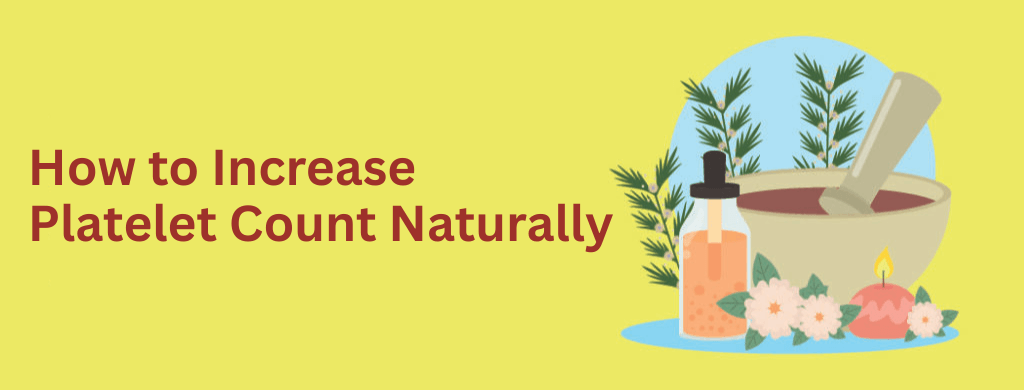
 How to Increase Platelet Count Naturally
January 3, 2026
Platelets are small blood cells that play a vital role in helping the blood to clot. Produced in the bone marrow, platelets travel through the bloodstream and help stop bleeding by forming clots whenever an injury or wound occurs. A reduced platelet count, medically termed thrombocytopenia, may arise due to several reasons, such as viral infections, autoimmune conditions, specific medications, or certain forms of cancer. If you’re dealing with low platelet levels, there are natural methods that may help boost your count.
What Causes a Low Platelet Count?
The blood cells called platelets aid in blood clotting. An insufficient platelet count can lead to symptoms like fatigue, frequent bruising, and bleeding gums. Thrombocytopenia, or low platelet count, heightens the risk of bleeding, bruising, and even spontaneous hemorrhaging. With fewer platelets essential for blood clotting, individuals may experience frequent bruising, extended bleeding times, and the possibility of internal bleeding. Women may experience menstrual irregularities. Severe cases can lead to life-threatening hemorrhage in organs. Fatigue and weakness may result from chronic low platelet counts.
Thrombocytopenia can be triggered by various conditions such as leukemia, cancer therapies, excessive alcohol use, liver cirrhosis, an enlarged spleen, sepsis, autoimmune disorders, and certain medications.
If a blood test shows low platelet levels, it’s important to work closely with your doctor to determine the underlying cause.
Symptoms
The symptoms of low blood platelet count depend on how low the platelet level is. Mild cases may not cause any symptoms, such as during pregnancy. When the platelet count drops very low, bleeding problems can occur.
Common symptoms include:
- Bleeding that does not stop easily
- Bleeding from small cuts that lasts longer than usual
- Frequent nosebleeds
- Bleeding from the gums
- Easy or excessive bruising on the skin or inside the mouth
- Red, purple, or brown tiny spots on the skin, called petechiae
- Large red or purple spots under the skin without any injury
- Blood in urine
- Blood in stool, making it look dark red, black, or tarry
- Tarry or blood-stained vomit
- Heavy menstrual bleeding in women
In severe cases, bleeding can become difficult to control and needs medical attention.
How to Increase Your Platelet Count Fast
If you have mild thrombocytopenia, certain foods and supplements may help boost your platelet count. However, if your platelet levels are severely low, medical treatment is usually necessary to prevent serious complications.
Papaya Leaf Extract
Papaya leaf extract has attracted attention for its potential role in managing low counts. So far, research into the impact of papaya leaf extract on platelet count has demonstrated generally encouraging results, but more thorough studies are required to establish definite evidence.
Papaya leaf extract can be taken in different forms, such as teas, juices, or supplements. However, the amount of extract administered can also vary in terms of dosage, purity, and safety, and hence, this has to be used with a lot of care as well, especially for individuals who have health complications or those on medication.

To use papaya leaf extract, mix two tablespoons of the juice with one tablespoon of honey. Consume this mixture twice daily for at least one week to help improve your platelet count.
Green Vegetables
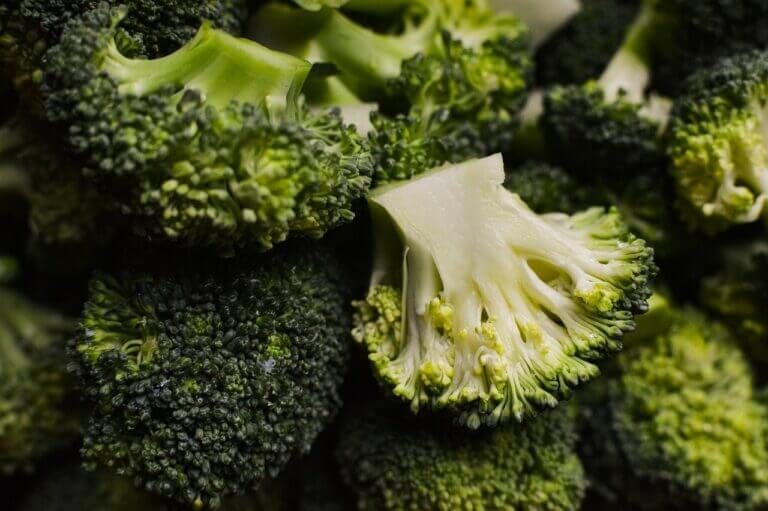
Spinach, kale, and broccoli are nutrient-dense leafy greens loaded with antioxidants, though no conclusive proof exists that they directly raise platelet levels. Blood cells also include platelets, which play an important role as part of the blood-clotting process; many things can alter the count of these types or their numbers, including medical conditions, medications, and nutritional deficiencies.
Milk
Milk, while not directly treating a low platelet count resulting from deficiencies in certain nutrients such as calcium or vitamin D having it included in a balanced diet would have an indirect impact on benefiting overall health and possibly contributing towards the alleviation of these types of deficiencies; however, it is necessary to seek professional medical advice from a healthcare provider in relation to personal concerns on platelet count and nutritional deficiencies.

Aloe Vera
Aloe vera is a healing plant with various health benefits and may support platelet production. Its active compounds can enhance white blood cell function, which may help improve platelet levels.

To use aloe vera, mix two tablespoons of its gel with a glass of water or fruit juice. Drink this blend twice daily for at least a week to help boost your platelet count.
Vitamin C
Vitamin C is a vital nutrient that also acts as a powerful antioxidant. It helps to enhance the immunity and overall health of a person. It does not directly increase platelet count, but it is crucial in maintaining healthy blood vessels and supporting the proper function of platelets.
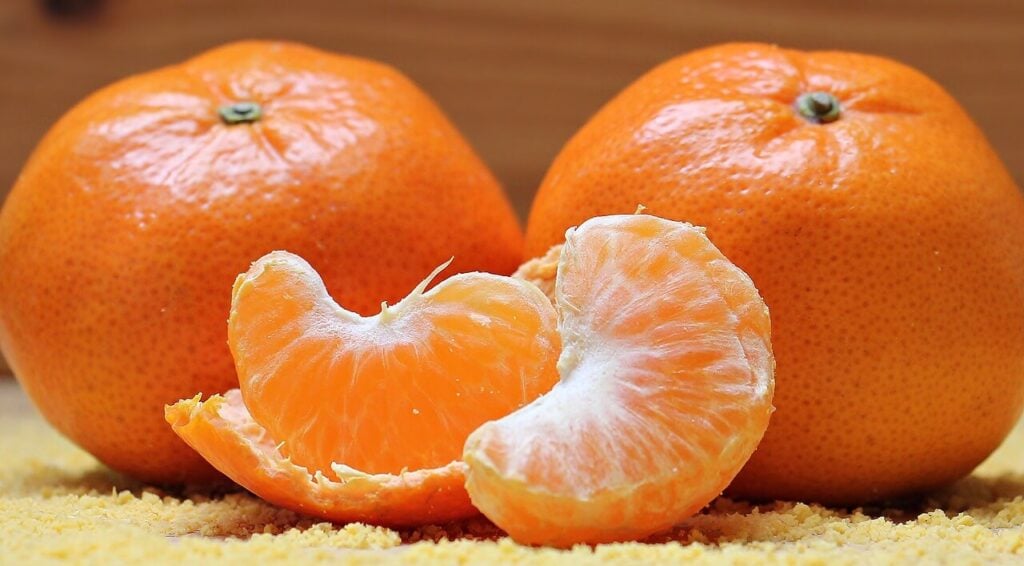
Since vitamin C is required for the normal functioning of platelets and other blood cells, adequate levels are necessary. It aids in iron absorption, which is imperative for hemoglobin synthesis by red blood cells. In addition, vitamin C supports the good health of blood vessels, which could have an indirect effect on platelet function and circulation.
Vitamin C deficiency, although not common in well-fed people (but can be found under certain circumstances), may affect overall blood health. Severe deficiencies can lead to issues like scurvy, which weakens blood vessels and impairs the body’s ability to form proper blood clots.
Boost your vitamin C intake by consuming more fruits and vegetables rich in this nutrient. Additionally, taking a vitamin C supplement may help increase your platelet count.
Beetroot
Beetroot is red in color and nutritious in nature. It has a lot of vital elements, such as vitamins, minerals, and antioxidants, which are very important to our health. Such advocates have speculated that iron and folate found in beetroot might help to increase platelet count since such nutrients play a significant role in blood cell formation.
Iron is crucial for producing hemoglobin in red blood cells, whereas folate supports overall DNA synthesis and cell division, including the formation of blood cells, though it does not specifically target platelets.
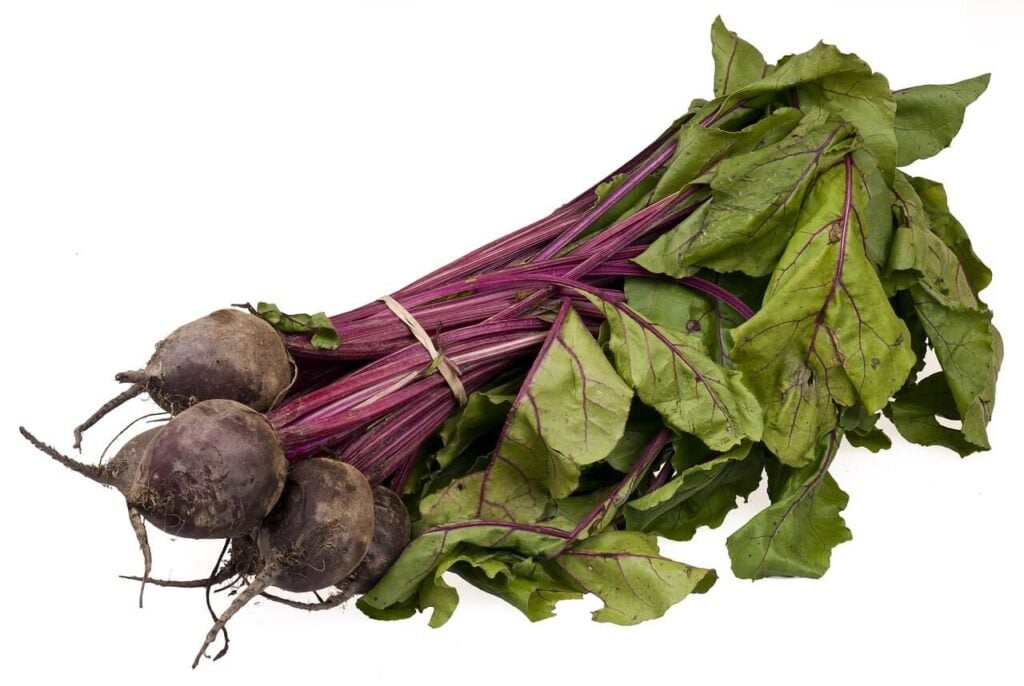
Beetroot offers various health benefits as a nutritious vegetable, but there is limited scientific evidence to confirm its direct effect on increasing platelet counts. However, its nutrient content may indirectly contribute to general blood health.
Indian Gooseberry
Indian gooseberry, commonly known as amla, is packed with vitamin C and antioxidants. It helps enhance the immune system and encourages the generation of white blood cells and platelets.
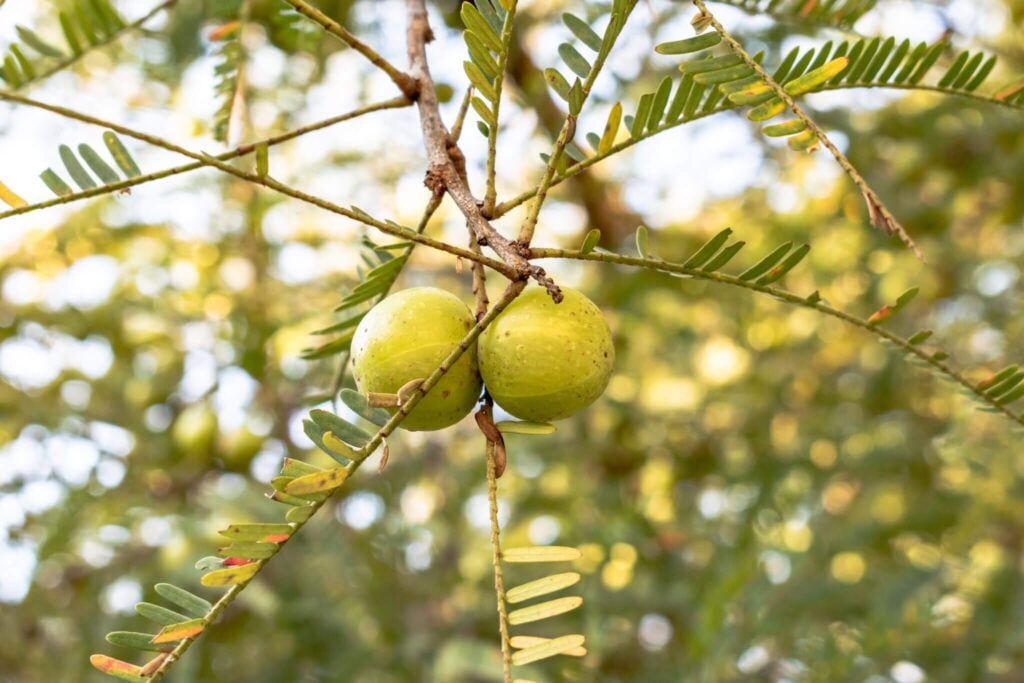
Mix two tablespoons of amla juice with a glass of water or fruit juice and drink it twice a day for a minimum of one week to help increase your platelet count.
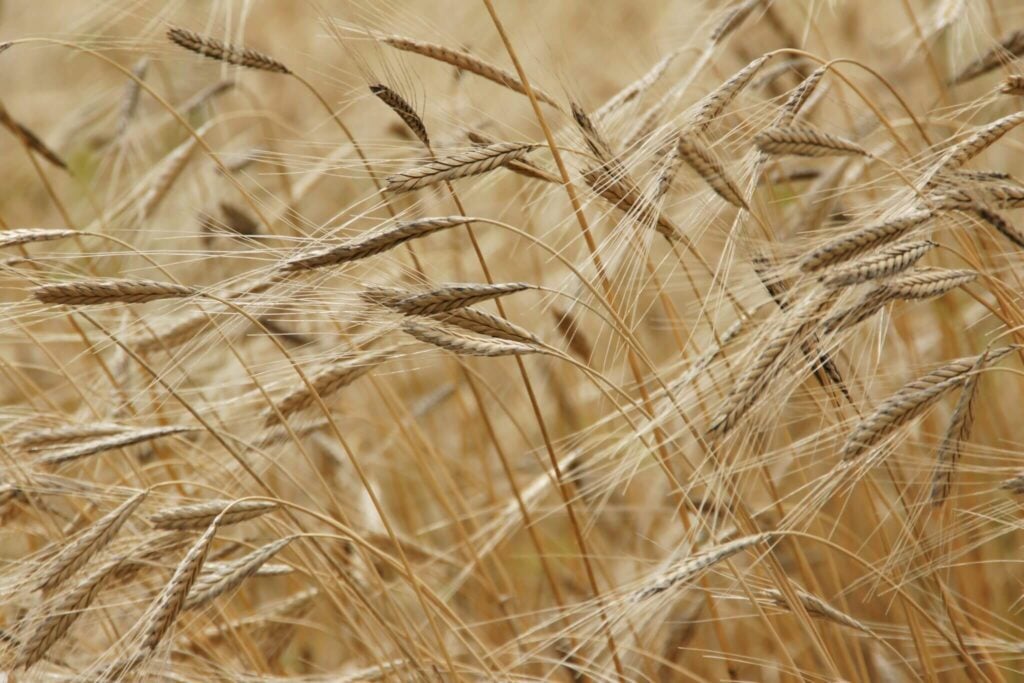
Wheatgrass
Wheatgrass contains nutrients such as vitamin K, which plays a role in blood clotting, and even chlorophyll, which may turn out to have some minor health benefits.
The nutrient density of wheatgrass may contribute to overall health and support different physiological functions in the organism, such as blood. Nevertheless, there is little strong scientific evidence to support the specific claims that it can improve platelet count significantly.
For those suffering from low platelet count or any other blood-related issues, it is critical to seek the advice of medical professionals for correct diagnosis and recommendations on appropriate treatment alternatives. Taking wheatgrass or any single supplement daily after meals for improving platelet count may help when this is done without medical advice and proper treatment. It improves your health, but not the disease process involved, leading to low blood counts.
Consume two tablespoons of wheatgrass juice diluted in a glass of water or fruit juice twice a day for at least a week to support an increase in your platelet count.
Pumpkin
Pumpkin is a healthy food, full of many nutrients that can be advantageous for one’s health. However, it does contain all the necessary vitamins and minerals required for good health.
These nutrients support critical functions in immune function, including helping the body fend off infection or illnesses that might affect platelet count indirectly.

A balanced diet rich in nutritious foods like pumpkin, which contains essential vitamins and minerals, supports overall health and helps maintain normal blood cell production. Even depending on pumpkin or any particular food to skyrocket platelet count may not work.
Iron-Rich Food
Iron is important for making red blood cells and platelets. Eating foods rich in iron, such as red meat, poultry, seafood, lentils, beans, spinach, and fortified cereals, can help raise your platelet count.
Vitamin K-Rich Food
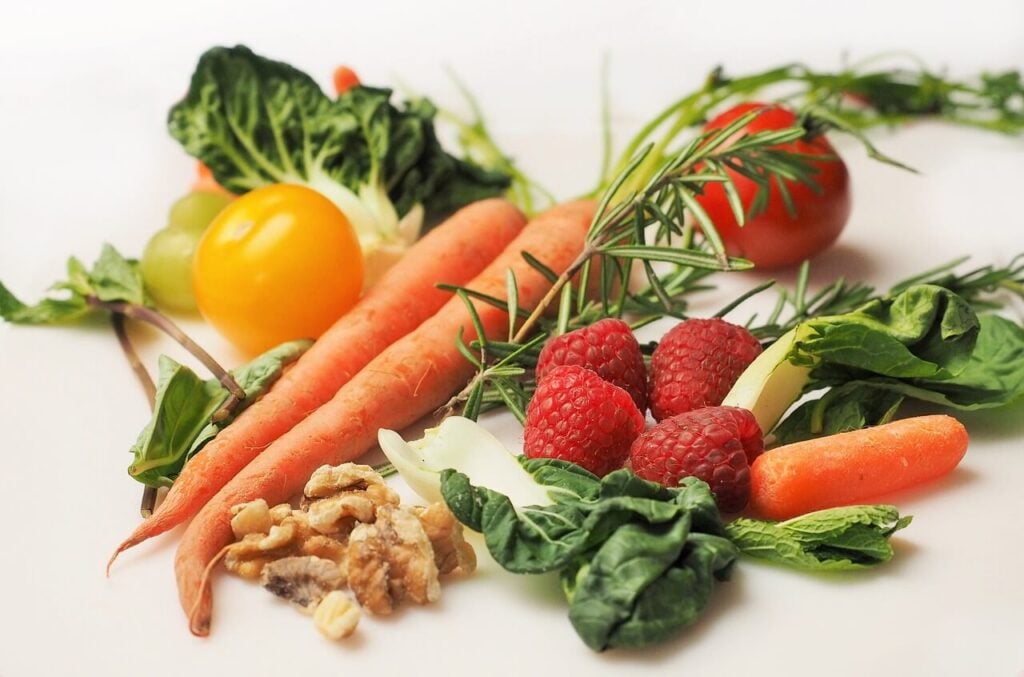
Vitamin K is essential for the body’s ability to form clots and may assist in maintaining healthy platelet levels. Leafy greens such as kale, spinach, and collard greens, along with vegetables like broccoli and Brussels sprouts, are rich sources of vitamin K.
Zinc-Rich Food
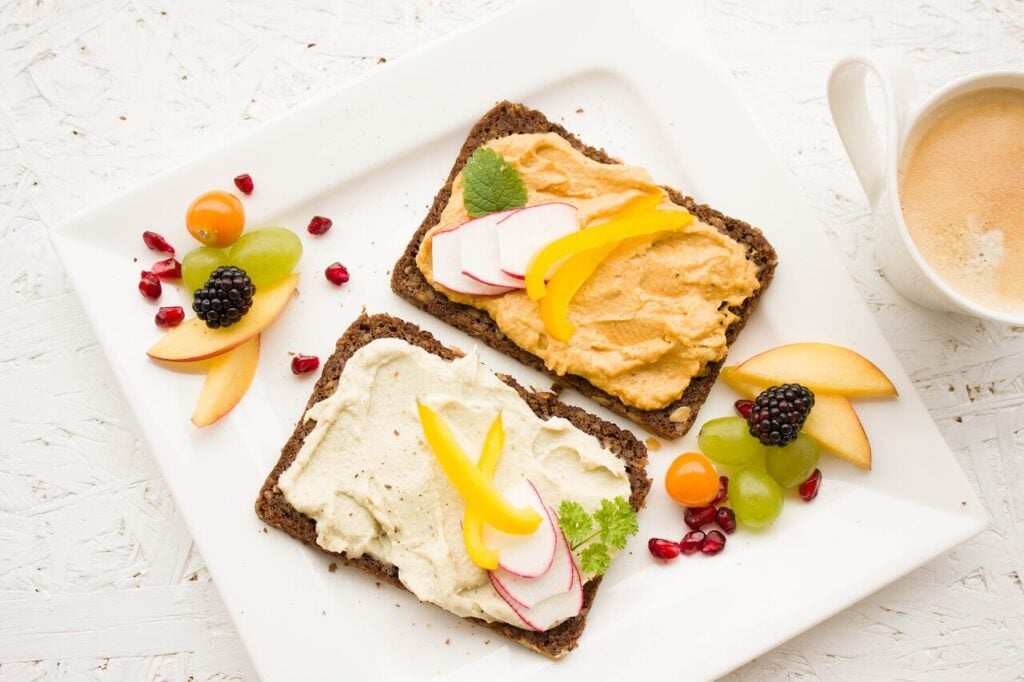
Zinc is vital for immune health and may play a role in enhancing platelet production. Zinc-rich foods include oysters, beef, crab, lobster, nuts, and seeds.
Pomegranate
Pomegranate is a good and healthy fruit, which could promote blood platelets. There are some studies suggesting that pomegranate could have compounds that may lead to an increase in platelet count or better functioning of the plates.
The fruit has substances, including antioxidants (like flavonoids and polyphenols), that are suggested to possess anti-inflammatory potential as well as plate-stimulating effects. These compounds may contribute to general blood health and circulation issues that could, in turn, affect platelet count.
However, though there have been studies that suggest these beneficial outcomes, the proof is not yet conclusive or definitive, studies more often concentrate on particular parts of the pomegranate extract instead of using fruit, and this makes it hard to define exactly how a person eating from groups with about flavors may cast effects over platelet count.
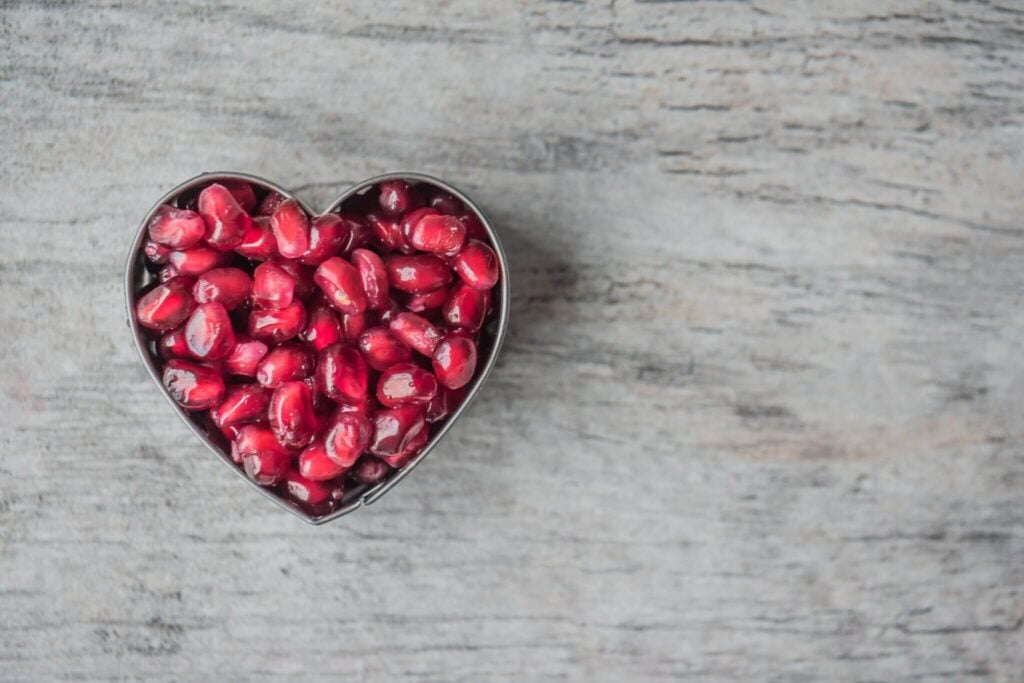
Perhaps some of pomegranate’s positive impacts on platelets stem from its rich antioxidant contents that can help safeguard the system against oxidative stress and inflammation, which may be important factors to consider when it comes to influences upon platelet functionality as well as elastogenesis.
Folates
Folate or vitamin B9 is very important in cell division and DNA synthesis, which are central processes for the manufacture of blood cells, including platelets. To understand the relationship between folate and platelet count, it is also important to note that deficiency in this substance can lead to a type of anemia with larger red blood cells, megaloblastic anemia; however, this form will indirectly affect the production of platelets as well.
Anemia associated with folate deficiency can result in some kinds of blood disorders that could have an impact on platelet counts; however, higher levels of dietary intake are unlikely to directly lead to a proportional increase in the number of platelets for everyone. Platelet count is not as specifically and directly affected by Folate as it is connected more generally with red blood cell production and overall health of the blood.

Lean protein
Lean proteins are one of the nutritious constituents of a healthy diet. They are sources of essential amino acids that form the basis for proteins in our body, which have various roles. Unlike fatty cuts of meat, lean proteins are much lower in fat and calories, making them a good choice for someone aiming to maintain a healthy weight or reduce their intake levels of saturated fats. Some common lean protein sources are
| Poultry | Chicken breast | Chicken breast, when skinless and boneless, offers a healthy lean protein option suitable for a wide range of recipes. |
| Fish | Salmon and Tuna | Though it is an oily fish, salmon also contains heart-friendly omega-3 fatty acids in addition to protein. Canned tuna and fresh tuna steaks provide lean protein. |
| Lean Meats | Turkey and Lean cuts of beef | A versatile and lean protein option is turkey ground or breast. Lean beef options include cuts such as sirloin, tenderloin, and round steaks. |
| Plant-based protein | Beans | Black beans, kidney beans and chickpeas contain a lot of protein that comes from plants. |
Kiwi
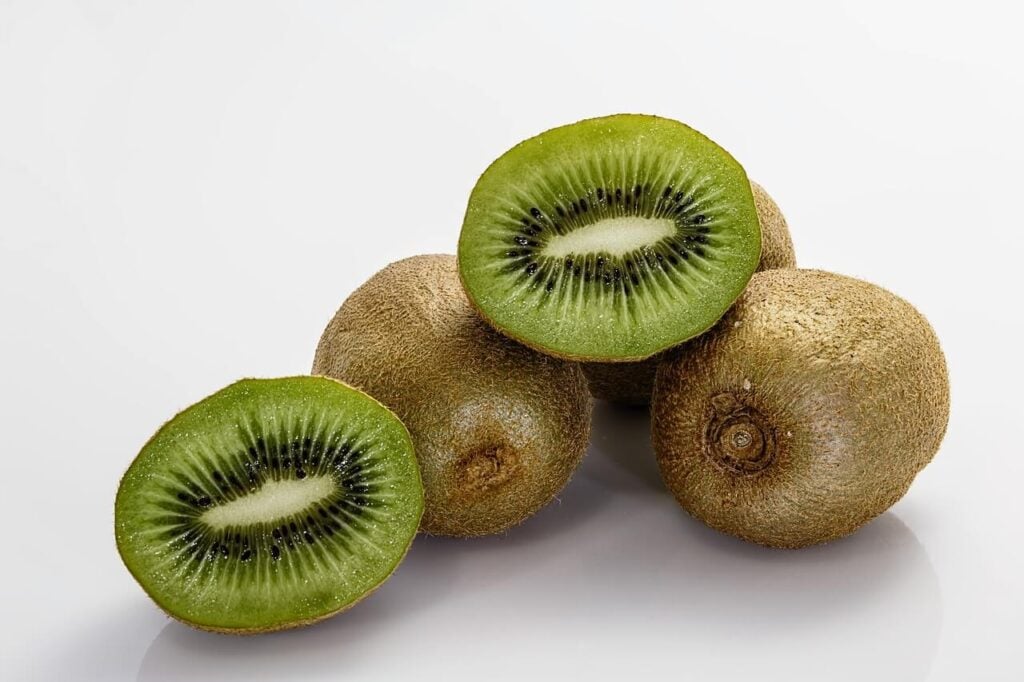
Kiwi fruit can assist in elevating platelet counts and may be beneficial for individuals experiencing anemia, vitamin B deficiency, and various viral infections. To enhance platelet levels, it is recommended to consume two kiwis daily.
Eggs

Egg whites are known to increase platelet counts due to the presence of albumin, a crucial protein present in blood plasma.
Foods to Avoid to Increase Platelets
Some foods, drinks, and habits can lower platelet count or increase the risk of bleeding. Avoiding them can help support healthy platelet levels.
- Alcohol – Alcohol reduces platelet count in many ways. It damages the bone marrow, destroys existing platelets, causes folate deficiency, and increases the risk of bleeding.
- Tonic water and bitter lemon – These drinks contain quinine. Quinine can destroy platelets and cause a drop in platelet count.
- Cranberry juice – Cranberry juice may lower platelet levels and should be avoided when platelet count is low.
- Artificial sweeteners with aspartame – Aspartame can reduce platelet levels in some people.
- Processed and sugary foods – These foods can increase inflammation and may worsen low platelet counts.
- Certain supplements
Some supplements can affect platelet count and should be taken only with a doctor’s advice. These include:- Ginseng
- Garlic, ginger, and turmeric (in supplement form)
- St. John’s wort
- Evening primrose oil
- Aspirin and blood thinners – These can increase the risk of bleeding and should be avoided unless prescribed by a doctor.
Avoiding these foods and habits may help prevent further reduction in platelet count and reduce bleeding risk.
When to See a Hematologist?
Thrombocytopenia requires immediate medical treatment to prevent serious health risks. You should consult a doctor right away if you notice symptoms like unusual bleeding, frequent bruising, prolonged bleeding from minor injuries, blood in your urine or stool, or persistent tiredness.
- Excessive bleeding
- Bleeding from your nose or mouth after brushing your teeth
- Headaches from minor injuries
- Easy bruising that gets worse over time
Frequently Asked Questions
1. What platelet count is normal?
The normal range for platelet count is between 150,000 and 450,000 per microliter of blood. Counts below 150,000 may indicate thrombocytopenia (low platelets), while counts above 450,000 may suggest thrombocytosis (high platelets). Individual health conditions can influence these values. Professional medical consultation is recommended for platelet count-related concerns.