 Health
  Find a
  Book an
 Effective Home Remedies for Blood Clots
June 17, 2025
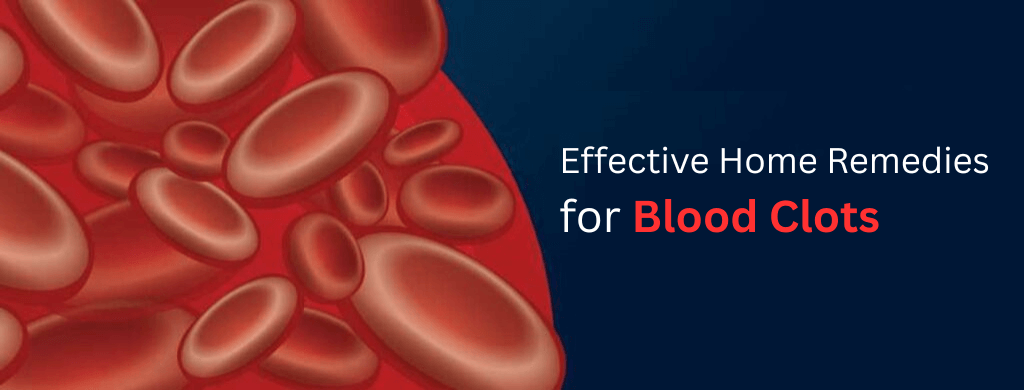
Blood clots can pose major health risks and may result in dangerous complications. They may form in any part of the body, but clots in the legs are especially risky. These clots can cause deep vein thrombosis (DVT), a condition where a clot develops in one or more deep veins in the leg. In some cases, a clot may break loose and move to the lungs, leading to a pulmonary embolism. Although medical treatments are available to dissolve blood clots, some natural remedies may also support the process.
Home Remedies to Help Dissolve Blood Clots
While medical treatment is essential for managing blood clots, certain home remedies and lifestyle changes can support blood flow and help prevent or dissolve clots naturally. Below are some effective remedies to consider.
Exercise
Exercise boosts blood circulation, which helps lower the risk of blood clots. Staying active can also support the body in breaking down clots that have already formed. Gentle activities like walking, cycling, and swimming are good choices because they are easy on the body while still being effective.

Compression stockings
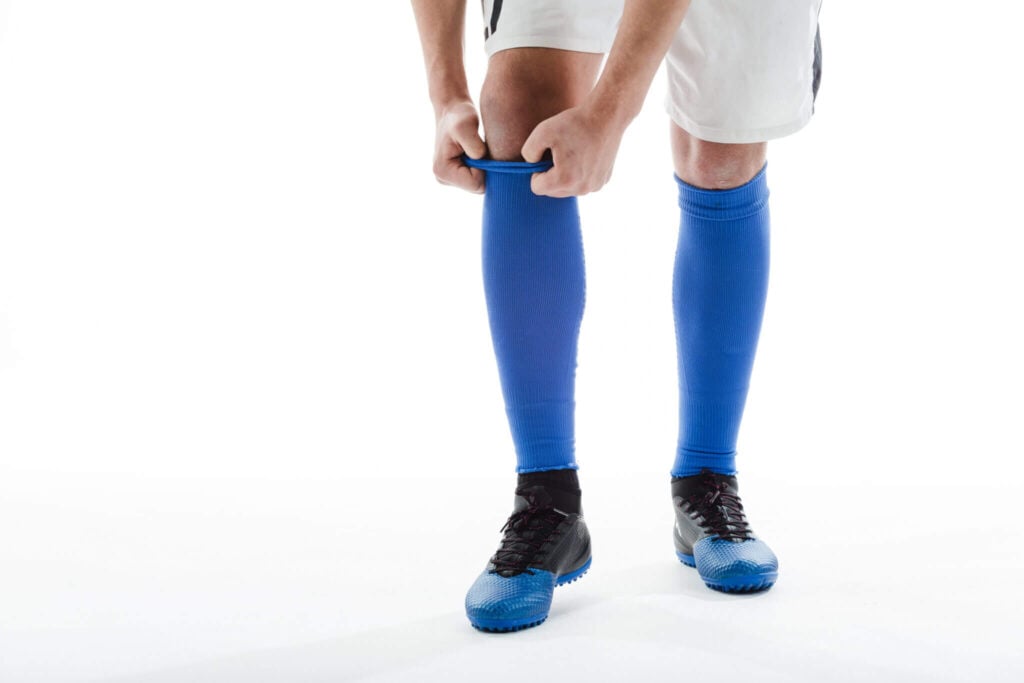
Compression stockings gently squeeze the legs to support better circulation and reduce the likelihood of blood clots. They also help lower the risk of problems in individuals who already have clots.
Ginger
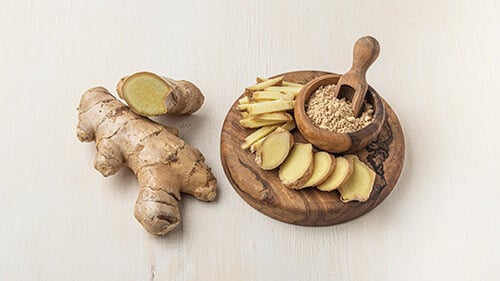
Ginger is a natural blood thinner with anti-inflammatory effects that can help in breaking down blood clots. It contains gingerol, a compound that helps stop platelets from clumping together and forming clots. You can consume ginger in different ways, such as drinking ginger tea or taking it as a supplement.
Cinnamon
Cinnamon is a well-known spice that naturally contains a compound called coumarin. This compound has mild blood-thinning properties, which may help support better blood flow. Including small amounts of cinnamon in your daily diet can gently support other natural remedies that help prevent clot formation.
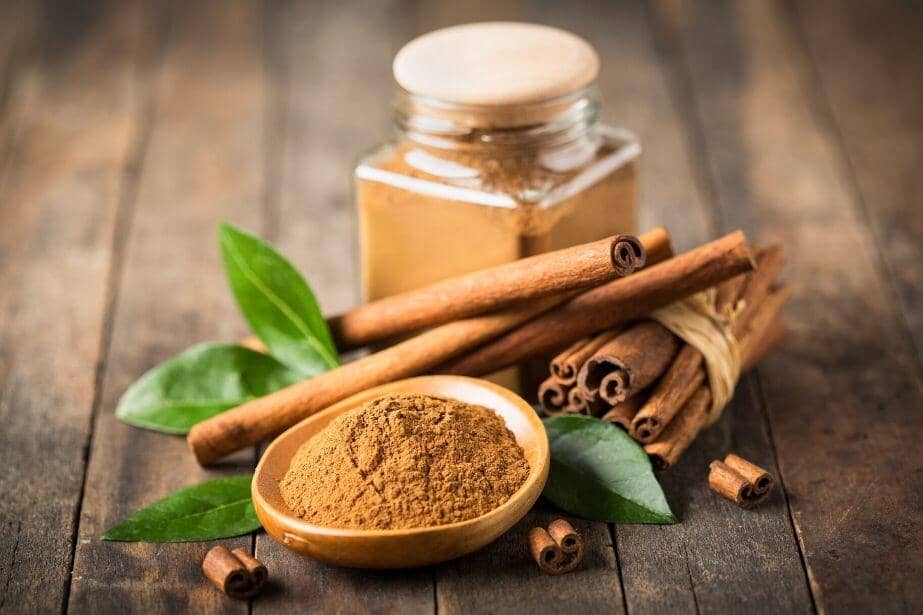
However, cinnamon should be used with care. Eating large amounts of coumarin-rich cinnamon for a long time may harm the liver. It is always best to use cinnamon in moderate amounts and avoid taking it as a high-dose supplement unless advised by a doctor.
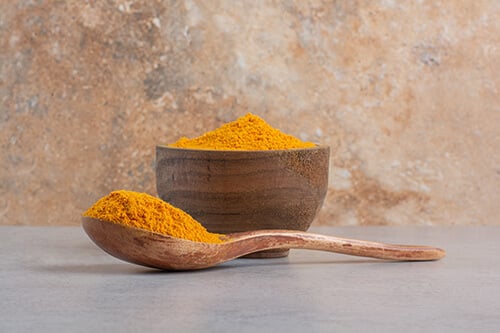
Turmeric
Turmeric is a popular Indian spice known for its strong anti-inflammatory effects. It contains curcumin, a compound that may help stop blood clots from forming. You can use turmeric in supplement form or include it in your everyday cooking.
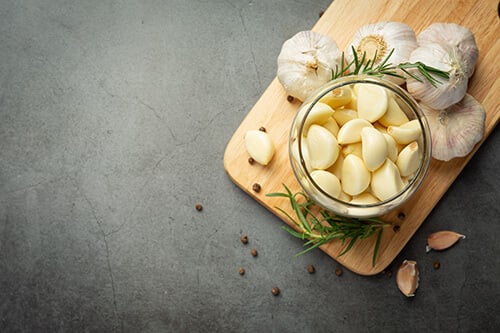
Garlic
Garlic is a natural blood thinner that may assist in breaking down blood clots. It contains allicin, a compound that prevents platelets from clumping and forming clots. Garlic can be consumed by adding it to meals or taking it as a supplement.
Cayenne pepper
Cayenne pepper works as a natural blood thinner and helps boost circulation. It contains capsaicin, a compound that may help stop blood clots from forming. You can include this in your diet or take it in supplement form.

Water
Staying well-hydrated can help prevent and dissolve blood clots by keeping the blood thin and flowing easily. It is greatly recommended to drink eight glasses of water daily to support healthy circulation.

Foods rich in vitamin E
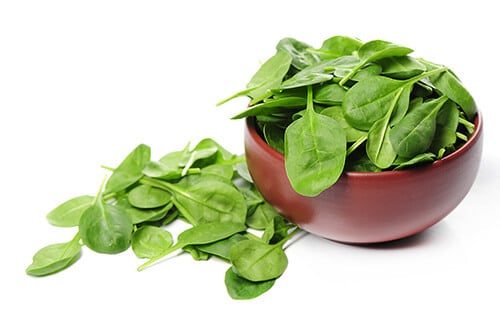
Foods high in vitamin E, like almonds, walnuts, avocados, spinach, and sunflower seeds, may help reduce the risk of blood clots. This nutrient naturally thins the blood and prevents platelets from sticking together, while the healthy fats in nuts and seeds improve blood circulation. Eating these foods regularly supports overall heart and vascular health.
Vitamin C
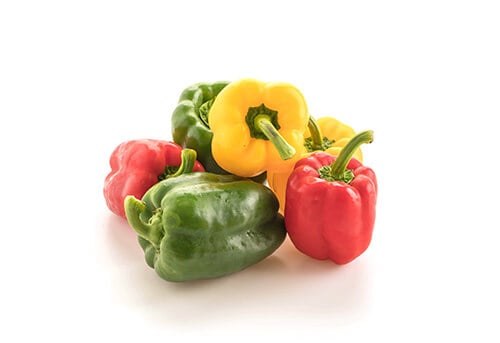
Vitamin C, a potent antioxidant, helps reduce the risk of blood clots and supports proper blood circulation. Excellent sources of vitamin C include citrus fruits, bell peppers, and strawberries.
Omega-3 fatty acids
Omega-3 fatty acids are important fats that may aid in keeping the blood flowing smoothly and lowering the chance of clot formation. They are naturally found in fish such as salmon, tuna, and mackerel. Omega-3 supplements are also available for people who do not consume enough fatty fish.
Other than fish, flaxseeds and chia seeds are also high in omega-3 fats, which help make the blood less thick.

It is important to note that while these natural remedies can be helpful in dissolving blood clots, they should not replace medical treatment. If you think you might have a blood clot in your leg, you should seek medical care right away. You can go for medical treatments such as blood thinners and clot-busting drugs.
Prevention
Adopting simple daily practices can help reduce the chance of developing blood clots in your legs.
- You can wear loose clothing and socks.
- Occasionally, elevate your legs at least 6 inches above your heart.
- Use compression stockings if your doctor recommends them.
- Remaining active and engaging in exercise routines recommended by your doctor can also be helpful.
- Limit long periods of sitting and get up often to keep your body moving.
- A low-salt diet and avoiding leg injuries are also important in preventing blood clots.
- Avoid crossing your legs or placing pillows under your knees.
- Elevating the head of your bed by 4 to 6 inches may also help.
- Additionally, it’s important to take all medications prescribed by your doctor.
- When to seek emergency medical attention?
If you have trouble breathing, sharp chest pain when taking deep breaths, cough up blood, or notice a rapid or irregular heartbeat, seek emergency medical care or consult a haematologist immediately, as these could indicate a blood clot. Also, see a doctor promptly if you notice swelling in your arms or legs, unexplained pain or tenderness, warmth in the skin, or any redness or discoloration. Blood clots may not always show obvious symptoms, so it’s important to seek medical attention if you experience any of these warning signs.
Frequently Asked Questions
1. How long does it take for a blood clot to dissolve naturally?
The time it takes for a blood clot to dissolve naturally can vary depending on the size and location of the clot. It’s important to follow your doctor’s recommendations and continue taking any prescribed medications until your clot has dissolved completely.