 Health
  Find a
  Book an
 Dilation and Curettage (D&C): Overview, Recovery, and Care
March 23, 2026
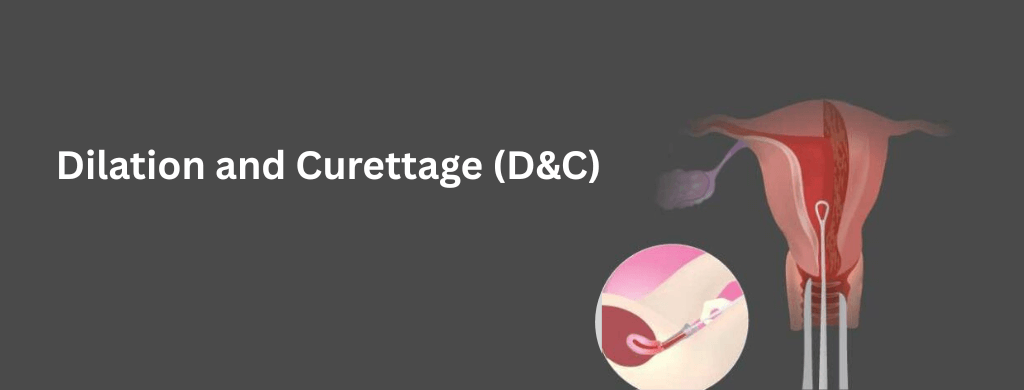
Dilation and curettage (D&C) is a surgical procedure used to remove tissue from the lining of the uterus. The process includes widening the cervix and removing the uterine lining using a surgical instrument called a curette. A D&C is usually done for various reasons, including diagnosing and treating certain medical conditions. In this blog, we will discuss the reasons for a D&C, what to expect when having a D&C, the uses of D&C, and when to seek help.
Reasons
There are several reasons why a woman may need to have a D&C. Some of the common reasons include the following:
- Miscarriage: A D&C is often done to help diagnose and manage irregular or excessive uterine bleeding.
- Abnormal Uterine Bleeding: A D&C may be performed to diagnose and treat abnormal uterine bleeding. Hormonal imbalances, fibroids, or polyps can cause this.
- Endometrial Hyperplasia: This is a condition with an overgrowth of cells in the uterine lining. A D&C may be done to remove the excess tissue and reduce the risk of developing cancer.
- Uterine Cancer: If uterine cancer is suspected, a D&C may be done to collect tissue samples for examination.
- Incomplete Abortion: If a medical abortion (using pills) has failed or an incomplete abortion occurs, a D&C may be required.
How to Prepare for the Procedure
Before a D&C, your doctor will explain the procedure and answer your questions. You may need to sign a consent form and undergo basic tests to check your health.
You may be asked to stop eating and drinking for a few hours before the procedure, especially if anaesthesia is used. Inform your doctor about any medicines, allergies, or health conditions. Some medicines may need to be stopped temporarily.
In some cases, your doctor may use medication or a small device to gently open the cervix before the procedure.
Arrange for someone to take you home, as you may feel drowsy afterwards. Also, keep a sanitary pad ready for light bleeding.
What to Expect When Having a D&C?
A D&C is usually done under general anaesthesia or local anaesthesia with sedation. The actual procedure generally takes approximately 10 to 15 minutes to complete. The doctor will dilate the cervix during the procedure to allow uterine access. They will then use a curette to scrape the uterine lining and remove any tissue. After the procedure, the woman may experience cramping, spotting, and light bleeding. Pain relief medications may be prescribed as needed.
Uses
Apart from the reasons mentioned above, D&C is also used for other medical purposes, such as:
- Diagnosis of Infertility: A D&C may be done to diagnose the cause of infertility. This may include removing tissue for examination and testing.
- Removal of Uterine Polyps: If a woman has uterine polyps, a D&C may be performed to remove them.
- Treatment of Heavy Periods: A D&C may be done to remove excess tissue in the uterus, which can reduce heavy menstrual bleeding.
- Management of Postpartum Bleeding: A D&C may be necessary to manage heavy bleeding after delivery.
Risks
Dilation and Curettage (D&C) is generally a safe procedure. However, like any surgery, it can have some risks. These complications are rare but important to know.
One possible risk is heavy bleeding. Mild bleeding is common after the procedure, but in some cases, it may become heavy and need medical attention.
There is also a small chance of infection. Symptoms of infection may include fever, intense pain, or vaginal discharge with a bad smell.
Sometimes, the surgical instrument may accidentally make a small hole in the uterus. This is called uterine perforation. Most of the time, it heals on its own, but in rare cases, further treatment may be needed.
The cervix may get injured during the procedure. Doctors usually manage this quickly with medication or stitches if required.
In rare cases, scar tissue may form inside the uterus. This condition is known as Asherman’s syndrome. It can affect periods and fertility, but it can often be treated with minor surgery.
Some women may also have reactions to anaesthesia or medicines used during the procedure.
The risk level can vary depending on your health condition. It is important to discuss your medical history and concerns with your doctor before the procedure.
Recovery
Recovery time after a D&C (dilation and curettage) can differ based on the individual and the underlying reason for the procedure. The recovery period typically lasts 1-2 weeks, although some women may take longer to recover fully.
During the first few days after the procedure, it is common to experience mild to moderate cramping, spotting, and light bleeding. Medications for pain relief might be given to help ease any discomfort. During recovery, it’s essential to refrain from intense physical activity, heavy lifting, and sexual intercourse to support proper healing.
After the initial recovery period, it is common to experience some light bleeding and spotting for up to a week or two. Women may also experience some irregular periods in the following weeks or months.
Following the healthcare provider’s post-procedure instructions and attending any follow-up appointments as required is essential. This may include scheduling a follow-up visit to ensure the procedure succeeded and monitoring potential complications.
Physical Recovery
A D&C’s physical recovery takes little time. If someone has had anaesthesia, they might feel drowsy. But this should go away in a day or two. As soon as they feel ready, they can resume most of their regular tasks when they feel ready.
After a D&C procedure, it’s advised to avoid specific activities for at least one week, such as swimming, using tampons or inserting anything into the vagina, and engaging in sexual intercourse. In addition, showers are allowed for hygiene purposes during this time. It is common to experience mild pain, cramping, and light bleeding, similar to 14 days after the procedure. Therefore, it is essential to attend a follow-up appointment with a doctor 14 days after the procedure and to report any ongoing symptoms, such as prolonged bleeding or pain.
Emotional Recovery
Emotional recovery after a D&C procedure differs from person to person, and some may go through it without any long-term emotional impact. A 2020 study found that most individuals who had an abortion felt it was the right choice even five years later and often reported a sense of relief. Emotional reactions to a D&C procedure can differ widely and are often shaped by elements such as how difficult the decision was and the impact of social stigma. Whether a person wanted the pregnancy or not also affects their emotional response; for example, those who have lost a desired pregnancy may feel intense grief. Individuals who had to terminate a pregnancy due to health risks may experience stress, anxiety, or depression. There is no right or wrong way to feel after a D&C procedure. Still, those who anticipate difficulty coping may find it helpful to take time off work, engage in low-energy activities such as watching movies, and spend time with supportive friends or family. Individuals who experience ongoing emotional distress may consider seeking the help of a therapist.
Do’s and Don’ts After D&C
Adhering to your doctor’s instructions after a D&C procedure is crucial for proper healing. Here are some common do’s and don’ts to keep in mind:
Do
- Ensure you rest adequately and steer clear of intense physical activities for several days.
- Opt for sanitary pads rather than tampons
- Keep yourself well-hydrated by drinking enough fluids
- Take any prescribed pain medications as directed
- Reach out to your doctor if you notice heavy bleeding or any unusual symptoms
Don’t
- Refrain from having sexual intercourse for at least two weeks following the procedure or until your doctor gives you permission.
- Do not use vaginal products like douches, tampons, or menstrual cups
- Refrain from strenuous exercise or heavy lifting
- Avoid alcohol consumption and smoking during recovery
When to Seek Help?
After a D&C, a woman may experience some cramping, spotting, and light bleeding. However, if any of the following symptoms occur, she should seek medical help immediately:
- Heavy bleeding: If the woman is soaking through more than one pad per hour, this may indicate a problem, and medical attention should be sought.
- Severe pain: If the woman experiences severe pain not relieved by painkillers, medical attention should be sought.
- Fever: If the woman develops a fever after the procedure, she should seek medical help, as this may indicate an infection.
- Foul-smelling discharge: If the woman experiences a foul-smelling discharge after the procedure, she should seek medical help, as this may also indicate an infection.
Who to Consult?
Suppose you are considering a D&C procedure or have undergone one and have concerns. In such situations, it’s best to consult a gynaecologist or obstetrician who can offer personalised medical advice and care tailored to your specific health needs.