 Health
  Find a
  Book an
 Cervical Cancer: Causes, Symptoms, Treatment, and Prevention
October 17, 2025
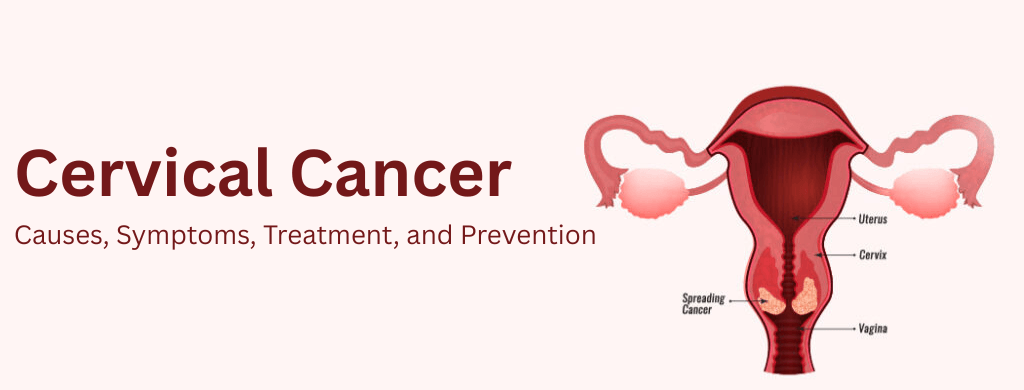
Cervical cancer is one of the most common cancers that affects women worldwide, particularly in low- and middle-income countries. However, in recent years, the mortality rate has significantly reduced due to advances in screening procedures and immunisation programs. Despite these advances, awareness of cervical cancer’s causes, symptoms, and current treatments remains critical for prevention, early detection, and effective management.
Cervical cancer arises in the cervix, the gateway between the uterus and the vagina. Typically, it develops gradually over time with dysplasia, a precancerous change that can be detected by regular screening tests such as the HPV or Pap smear.
These abnormal cells have the potential to grow into invasive cancer, which would spread further into the cervical tissue and possibly to other body parts if not treated.
Causes
Cervical cancer most often develops due to a long-lasting infection with specific high-risk types of Human Papillomavirus (HPV), a widespread sexually transmitted virus. While there are over 100 different types of HPV, around 14 are considered high-risk for developing cancer. A large percentage of cervical cancer cases globally are caused by HPV 16 and HPV 18.
Often, the immune system naturally eliminates HPV, as not all strains cause cancer. On the other hand, if the infection persists, it may cause abnormal changes in the cervix’s cells, which may eventually progress to cancer.
Other Risk Factors Include:
- Becoming sexually active at an early age raises the likelihood of HPV exposure.
- Having a higher number of partners raises the chance of HPV infection.
- Conditions like HIV/AIDS or medications that weaken the immune system can increase cancer risk.
- Smoking or using tobacco products has been associated with a higher risk of cervical cancer.
- Prolonged use of birth control (5 years or more) may slightly increase the risk.
- Other sexually transmitted infections (STIS) like chlamydia, gonorrhea, or herpes can raise susceptibility.
Symptoms
Cervical cancer often shows no clear symptoms in the early stages. Due to this, constant screenings are vital for early detection. As the disease progresses, certain symptoms become more evident:
- Abnormal vaginal bleeding, including bleeding after intercourse, between periods, or after menopause.
- Unusual vaginal discharge, such as a watery, bloody, or foul-smelling discharge.
- Continuous aching or pressure in the pelvic region.
- Discomfort or pain during sexual activity.
- Pain during urination or bowel movements occurs if the cancer has spread to nearby organs.
Keep in mind that other medical conditions can also produce these symptoms. However, if any of them persist, it’s advisable to consult a healthcare professional.
Diagnosis
Diagnosis typically involves several tests and procedures:
- Pap Smear (Pap Test): Detects precancerous or cancerous cells on the cervix.
- HPV DNA Test: Identifies the presence of high-risk HPV strains.
- Colposcopy: A thorough inspection of the cervix performed with a specialized magnifying device.
- Biopsy: Extraction of a small tissue sample for lab testing.
- Imaging Tests: MRI, CT scan, or PET scan to determine the extent of cancer spread.
Treatment Options
The choice of treatment depends on several factors, such as the stage of the cancer, the size and type of tumour, the patient’s age, and overall health. Common treatment options include:
1. Surgery
Surgery is commonly advised during the initial stages:
- Conization or cone biopsy is the removal of a cone-shaped section of abnormal tissue.
- Hysterectomy involves taking out the uterus and cervix surgically, sometimes along with nearby tissues.
- Trachelectomy is the removal of the cervix while preserving the uterus, an option for women desiring to retain fertility.
2. Radiation Therapy
High-energy X-rays or other radiation sources are used to kill cancer cells and shrink tumors. It may be internal (brachytherapy) or external (external beam radiation).
Chemotherapy and radiation therapy are typically used in combination to treat advanced stages.
3. Chemotherapy
Chemotherapy involves the use of medications, usually given through an IV, to kill cancer cells. It’s often used in combination with radiation therapy for advanced or recurrent cases.
4. Targeted Therapy
These medications focus on particular molecules that drive the growth of cancer cells. Certain medications can be used in advanced cervical cancer to inhibit the formation of blood vessels that feed tumours.
5. Immunotherapy
A relatively newer option, immunotherapy boosts the body’s natural defences to fight cancer. Certain drugs have shown promise in treating certain types of advanced cervical cancer.
Prevention
Early detection and vaccination make cervical cancer largely preventable. Preventive strategies include:
- Safe and effective HPV vaccines protect against the most dangerous HPV strains. It’s recommended for girls and boys starting at ages 9–14, ideally before becoming sexually active.
- Routine screening, including Pap smears and HPV tests, can identify abnormal changes before they develop into cancer.
- Safe Sexual Practices, like limiting the number of sexual partners and using protection, can reduce the risk of HPV.
- Avoiding tobacco lowers cervical cancer risk.
- Managing Other STIs by getting prompt treatment of other infections reduces HPV-related complications.
Conclusion
When identified early, cervical cancer is highly treatable and preventable, yet it remains a significant health concern. Understanding its causes, symptoms, and treatment options helps women make informed health decisions.
Regular screening, immunisation, and lifestyle adjustments can significantly reduce the risk of developing cervical cancer. Do not be afraid to seek medical guidance from a physician if you or someone you know is experiencing symptoms or is scheduled for a screening; early detection can save lives.
Frequently Asked Questions
1. How often should women get screened for cervical cancer?
Most guidelines recommend that women start Pap smear screening at age 21 and repeat it every 3 years if results are normal. Between the ages of 30 and 65, it is recommended to have a Pap test along with an HPV test (co-testing) every five years. Screening frequency may vary based on personal and family medical history.
2. Is cervical cancer hereditary?
Cervical cancer is not typically hereditary. It is largely caused by HPV infection. However, a family history of cervical cancer may slightly increase the risk, likely due to shared lifestyle or environmental factors.
3. Can cervical cancer affect pregnancy or fertility?
In early stages, fertility-preserving treatments like conization or trachelectomy may be possible. However, advanced stages often require a hysterectomy (removal of the uterus), which affects the ability to conceive. Discussing treatment options with a gynecologic oncologist is crucial if you wish to preserve fertility.