 Health
  Find a
  Book an
 Blood Cancer: Types, Symptoms, Causes, Diagnosis & Treatment
October 10, 2025
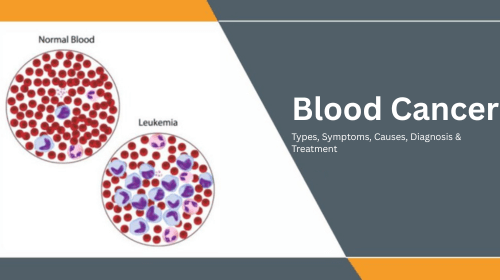
Blood Cancer is cancer of the white blood cells. Blood is a fluid tissue that circulates throughout the body, nourishing every cell with nutrition and oxygen it carries in its red blood cells (RBC). In addition to RBC, blood also has white blood cells (WBC) and platelets in liquid plasma.
WBCs are the soldiers of your body. They fight against bacteria, viruses, fungi, abnormal cells and foreign substances in the body. They are produced in the bone marrow, lymph nodes, spleen and thymus gland and circulate in the body. They are present in large concentrations in the lymph nodes and the spleen.
When WBCs become cancerous, they either divide too fast and crowd out other cells or divide too slowly. They do not function as normal WBCs do.
Types
1. Leukaemia
Leukaemia is classified based on the type of cells involved and the nature of the disease. It is broadly classified into:
- Acute lymphoblastic leukaemia (sudden onset and quick progression) is the most common type of leukaemia seen in children
- Acute myeloid leukaemia (sudden onset and quick progression)
- Chronic myeloid leukaemia (gradual onset and slow progression)
- Chronic lymphocytic leukaemia (gradual onset and slow progression)
2. Aplastic Anaemia
3. Waldenstrom’s Macroglobulinaemia
4. Amyloidosis
5. Myeloproliferative Neoplasms
6. Myeloma
7. Lymphoma
Symptoms
- Fever/ chills
- Frequent infections
- Bone pain/ tenderness
- Painless swollen lymph nodes in the neck and armpits
- Bleeding and bruising easily
- Fatigue/ weakness that does not improve even after adequate rest
- Weight loss
- Excessive sweating, especially night sweats
- When blood cancer affects organs, you may have other organ-specific symptoms, such as
- Headaches, nausea, vomiting, confusion, movement problems, seizures, etc., if the brain and spinal cord are involved.
- Cough, fever, breathing problems, lung infections etc. if lungs are involved.
- Swelling and pain in the abdomen if the liver and spleen are enlarged.
- Pain in the sides, frothy urine etc. if kidneys are involved.
Causes
- Family history of blood cancer
- Genetic disorders
- Blood disorders
- Exposure to radiation, chemotherapy
- Exposure to benzene
- Ageing
- Certain infections
- Weak immune system
Diagnosis
- A complete physical examination by your doctor
- A full blood test to check the levels of red cells, white cells, and platelets in your blood.
- A microscopic examination of your blood to determine if there are any abnormalities
- Doctors may take samples from the bone marrow and lymph nodes to find out which type of blood cancer is present.
- Certain genetic tests are used to determine if you belong to the low-risk and high-risk categories.
- Your treatment programme will depend on the type of blood cancer, age, white cell count at diagnosis and the genetic tests.
Blood Cancer Treatment at Rela
Dr Rela Institute& Medical Centre is a multispecialty hospital that offers one of the best oncology/cancer treatment programmes in Chennai. Our renowned team of oncologists, world-class infrastructure and advanced technology combine to provide 360o cancer care from accurate diagnosis and staging to palliative care for terminal ill patients.
Our Specialised Departments
- Clinical Haemato Oncology
- Gastrointestinal Oncology
- Gynaecologic Oncology
- Medical Oncology
- Paediatric Haematology & Oncology
- Radiation Oncology
- Surgical Oncology
Treatment
- Chemotherapy – A mix of medicines is used to destroy cancer cells.
- Radiation therapy – Powerful radiation is used to destroy leukemia cells.
- Hematopoietic Stem cell transplantation – Diseased bone marrow is replaced with healthy bone marrow (from HLA matched donor)
- Biological/ immune therapy – To help your immune system recognise and destroy cancer cells
- Targeted therapy – Drugs used to target the specific weaknesses of cancer cells
As with all cancers, the outlook after treatment for blood cancer depends on early diagnosis and treatment.
Frequently Asked Questions
1. What is the survival rate of blood cancer?
Blood cancer survival rates depend on the type, age, overall health, and treatment response. The five-year survival rates in the U.S. are:
Leukemia: 67%
Hodgkin lymphoma: 88.9%
Non-Hodgkin lymphoma: 74.3%
Myeloma: 61%
These numbers are estimates based on past data. Advances in treatment are helping more people live longer, and survival rates continue to improve over time.