 Health
  Find a
  Book an
 Anal Fistula: Symptoms, Remedies, and Treatment
June 11, 2025
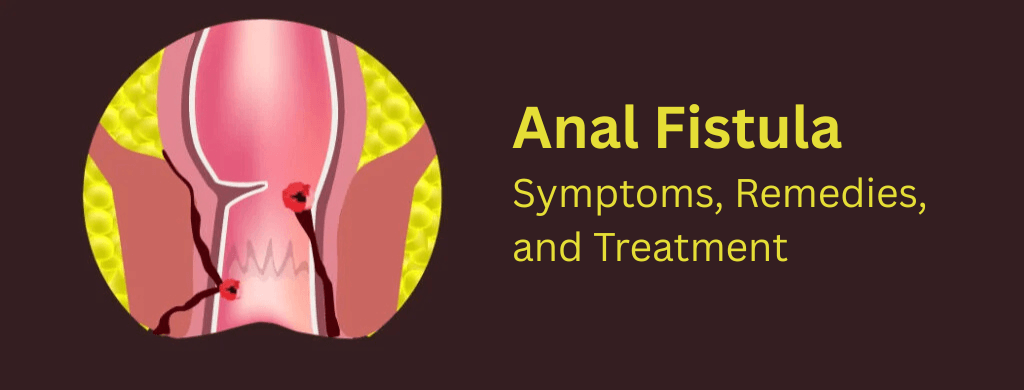
A fistula refers to an abnormal link that develops between two internal body parts, such as organs, blood vessels, or distinct regions within the body. Fistulas often result from injury or surgery, but they can also be caused by infections or inflammation.
They can develop in various parts of the body, for example, between the throat and neck, between the colon and nearby skin, or between an artery and a vein. One common type is an anal fistula, which is an infected tunnel that forms between the anus and the surrounding skin. This tunnel typically opens to the outside near the anal area.
The individual is encouraged to drink plenty of liquids, especially water, and to eat a balanced, high-fiber diet in cases of anal fistula. This results in developing a soft stool and lessening the pressure needed to pass stools. Passing a firm stool can be highly unpleasant and challenging for people with such illnesses. When using the restroom, the patient should maintain their hygiene. Infections with the disease are already present, and other problems can result from unhygienic conditions.
What is an Anal Fistula?
An anal fistula is used to describe the infected tube that forms between the anus and the perianal skin. The anal opening is where the fistula’s one end is located. A fistula is typically discovered in a person who had an anal abscess earlier. Fistula is typically a complaint of an obese person who spends a lot of time sitting and doesn’t engage in regular physical activity. Adults are more likely than children to get a fistula. A substantial risk of anal fistula exists in people who have perianal abscesses.
Types
Doctors classify anal fistulas based on how they pass through the anal sphincter muscles. These muscles help control bowel movements, so protecting them during treatment is very important. The type of fistula helps doctors choose the safest treatment.
Intersphincteric Fistula
This type passes through the inner sphincter muscle and then moves through the space between the inner and outer sphincter muscles.
Transsphincteric Fistula
This fistula passes through both the inner and outer sphincter muscles.
Suprasphincteric Fistula
This type passes through the inner sphincter and then curves over the outer sphincter muscle.
Extrasphincteric Fistula
This less common type passes around both sphincter muscles. It usually starts from the rectum instead of the anus and does not come from an anal gland.
Superficial Fistula
This fistula forms below the anal glands and travels through the skin near the anus. It does not pass through the muscle layers.
You do not need to memorise the type of fistula you have. However, the type plays an important role in deciding the best treatment. If the fistula involves the sphincter muscles, doctors take extra care to protect these muscles during surgery.
Symptoms
- Anal opening, in particular, is surrounded by pain, swelling, itching, irritation, or sore skin.
- Discharge of blood
- Bowel movements that hurt.
- In the later stages of the illness, the patient may also express pain while urinating.
- Fever and exhaustion
- Discharge with a foul odor coming from the anal aperture
Risk Factors
You may have a higher chance of developing an anal fistula if you have:
- A previous anal abscess – About half of the people who get an abscess later develop a fistula, even if the abscess drains by itself.
- Crohn’s disease or colitis – These long-term bowel conditions cause inflammation that can damage the area around the anus.
- Chronic diarrhea – Ongoing diarrhea can irritate the anal skin and increase the risk of infection.
- Infections in the anal area – Repeated infections can affect the glands near the anus.
- Injury or trauma to the anal region – Any damage to this area can lead to irritation or infection.
- Surgery or radiation for anal or rectal cancer – These treatments may weaken or scar the tissues, which can later form a fistula.
- Being around the age of 40 – Anal fistulas are more common in adults, especially those in their 40s.
- Being male – Men tend to develop anal fistulas more often than women.
Home Remedies
Some effective and natural ways to manage and alleviate the symptoms of an anal fistula are designed to promote healing and comfort without the need for surgical intervention.
Sitz Bath
One of the greatest ways to treat anal fistula symptoms, which include irritation, swelling, pain, and inflammation, is to take a sitz bath. Anal area bathing in simple, warm water is known as a sitz bath. The water shouldn’t be too hot. A fistula patient should sit and bathe at least three to four times daily. (Read about the advantages of sitz baths and how to take one here)
Healthy Food
Keep your stomach and digestive system healthy by watching what you eat. Improve digestive conditions that are less susceptible to issues by avoiding hot, junk, and fatty foods. Increase your intake of whole grains, leafy greens, fruits, and lean meats. Constipation can irritate a fistula, so eating more fibre-rich foods like cereal will help you prevent it. You can employ a few kitchen tricks to relieve fistula symptoms, including:
- Honey: Honey has antibacterial properties, and regular ingestion benefits overall health. One tablespoon of honey should be combined with a glass of warm water.
- Oregano Oil: You can cure fistulas using oregano oil. Antibacterial, antiviral, antibiotic, and anti-inflammatory activities are present in the oil.
- One spoonful of ground flaxseed powder should be added to a glass of water. Then, before going to bed, give it a good stir. It aids in controlling bowel movements.
Drink Water
One of the finest home remedies for fistula is to drink lots of water. Avoid soda and alcohol; drink a ton of water and fruit juices. Ginger tea, turmeric milk, etc., are options. Constipation strains your fistula; therefore, doing this will prevent it. In addition, a surplus of water will soften waste and assist in intestinal cleaning.
Use Donut Pillows
Avoid the added pressure on your back, buttocks, and legs if your toilet job requires you to sit down for extended periods, especially if you have an anal fistula. This might be achieved by using a “donut pillow” instead of a standard chair or simply sitting on the toilet seat.
Maintain Proper Bathroom Hygiene
After using the bathroom or having a bowel movement, always wash your anal area. The first step in preventing an illness is to avoid any bacteria that may still be present on your skin. Always carry wipes while outside in the open, and if you can’t wash them. Because they come into contact with germs the most, your hands need to be cleaned frequently. If the fistula leaks throughout the day, change your underwear as needed. This will stop the growth of bacteria and the spread of germs, which can lessen perianal irritation and assist in eliminating the bothersome symptoms related to fistulas.
Strengthen your Immunity
A nutritious diet that includes foods high in omega-3s, omega-6s, and vitamin C, such as fish, olive oil, and citrus fruits, will help you build a stronger immune system and reduce any inflammation the fistula could bring on.
When to See a Doctor
The symptoms of anorectal disorders include blood or pus discharge, constipation, pain, itchiness, swelling, redness, or soreness around the anal area. The prevalence of anorectal diseases must rise dramatically due to poor eating habits, sedentary lifestyles, and inadequate hydration. Therefore, such signs should be considered. Before seeing a doctor, the patient should never use any medications for these conditions. An anal fistula is one disease that shouldn’t be overlooked. These conditions may also be merely symptoms of more severe conditions like cancer. As soon as you notice these symptoms, see a doctor specialising in colon and rectal diseases.
Frequently Asked Questions
1. Can a fistula repair itself?
Anal fistulas typically do not heal on their own, necessitating surgery or home remedies to treat them.