
 Health
  Find a
  Book an
 Ruptured Eardrum: Symptoms, Causes and Treatment
February 10, 2026
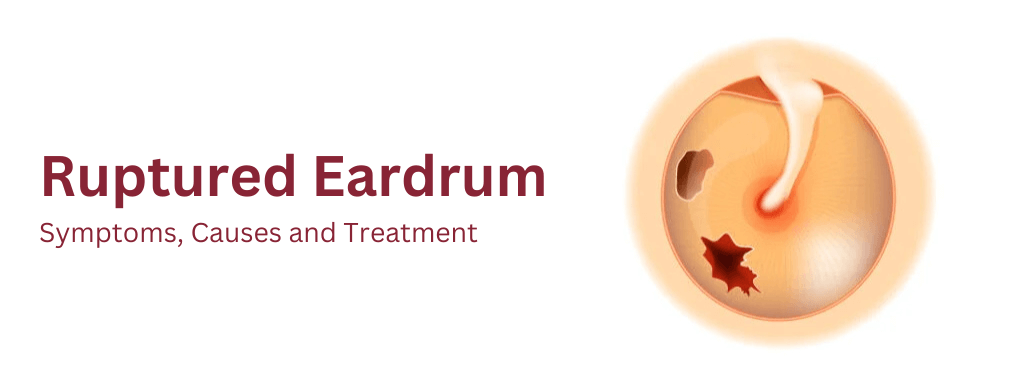
A ruptured eardrum can cause discomfort and hearing issues. This comprehensive guide will explore signs of a ruptured eardrum, its contributing factors, its impact on the body, treatment options, and preventive measures. Whether you’re experiencing ear discomfort or seeking ear health information, this guide provides essential insights.
What is a Ruptured Eardrum?
The thin membrane between the ear canal and middle ear is damaged by a tear or hole, resulting in a ruptured eardrum, which impacts hearing. This damage can lead to various symptoms and potential complications.
Symptoms
In medical terms, the symptoms of an eardrum perforation, also known as a membrane perforation, can differ in how they appear and how severe they are. Let me explain these symptoms in detail for you,
1) Ear Pain
One of the immediate signs is experiencing pain in the ear. The pain can be sudden and sharp, often described as a stabbing or piercing feeling. The intensity of the pain can vary from discomfort to agony, and it might lessen as the eardrum starts to heal over time.
2) Hearing Loss
A ruptured eardrum may cause temporary hearing loss in the affected ear, depending on the size and location of the perforation. Treatments like hearing aids and implants depend on why it happens and how bad it is. Getting checked early is essential for managing hearing issues.
3) Ear Drainage
A ruptured eardrum can lead to the drainage of various substances from the ear. This may include explicit, watery fluid, pus, or even small amounts of blood. The type of fluid discharged can provide indications about the underlying cause of the rupture. For example, clear fluid might indicate cerebrospinal fluid leakage, a more severe condition.
4) Ringing in the Ear (Tinnitus)
Sometimes people who have an eardrum may notice a ringing or buzzing sensation in the affected ear. This condition, referred to as tinnitus, can be quite bothersome and might have an impact on one’s quality of life.
5) Sensation of Fullness
Pressure or fullness can be felt in the affected ear by individuals with a ruptured eardrum. Changes in the pressure within the middle ear frequently cause this.
6) Vertigo and Balance Issues
Individuals may sometimes feel dizzy and have balance problems, especially when the rupture is related to an inner ear infection. These symptoms can be particularly concerning and may require medical attention.
The symptoms of a torn eardrum can differ from person to person. It is possible for the outcomes to differ depending on the cause and the effectiveness of the treatment. If you suspect that your eardrum might be torn or if you are experiencing any of these symptoms, it is crucial to consult a professional for an evaluation and receive care, including a diagnosis and suitable treatment.
Causes
A ruptured eardrum can happen due to various reasons. It is important to understand these causes in order to manage them effectively. Here, I provide you with an explanation of the factors that can result in an eardrum,
- Acoustic Trauma
- Barotrauma
- Chronic Ear Infections
- Foreign Objects
- Infections
- Trauma
- Underlying Medical Conditions
Diagnosis
Doctors can often diagnose a ruptured eardrum by looking inside the ear with a lighted tool called an otoscope. This lets them see if there is a hole or tear in the eardrum.
Hearing Tests
Hearing tests help check how well you hear and how well the eardrum is working.
- Audiometry (audiogram): Measures how well you hear soft sounds and different tones.
- Tuning fork tests: Use sound vibrations to check for hearing loss and find its possible cause.
- Tympanometry: Measures how the eardrum moves when air pressure changes. This test can show if the eardrum is torn.
Other Tests
If there is fluid coming from the ear, a lab test may be done to check for a bacterial infection in the middle ear.
If the tear is very small or if hearing loss or vertigo is severe, your doctor may refer you to an ear, nose, and throat (ENT) specialist for further evaluation.
Treatment
The treatment for a ruptured eardrum depends on several factors, such as the size and cause of the perforation. Please read the common treatment methods as listed below,
1. Observation
In cases of small holes in the ear, they tend to heal on their own without any treatment. It’s important to keep the ear dry and avoid inserting objects into it. Make sure to follow up with your doctor for monitoring.
2. Antibiotics
If an ear infection is responsible for the perforation, your doctor might prescribe antibiotics to treat it and prevent complications. Remember, it is crucial to complete the course of antibiotics as instructed.
3. Patching or Tympanoplasty
For nonhealing perforations, surgical intervention may be necessary. One option is patching, which involves placing a tissue patch over the hole to aid in healing. Another option is tympanoplasty, a procedure that reconstructs the eardrum using tissue grafts. The approach depends on the size and location of the perforation.
4. Hearing Aids
If hearing loss persists even after the eardrum has healed, hearing aids can be beneficial by amplifying sounds and improving communication.
5. Avoidance of Irritants
During the healing process, it’s crucial to avoid things that could irritate the ear, such as noises, exposure to water, and inserting objects into the ear canal.
6. Preventive Measures
To protect your ears from damage, it is recommended that individuals take measures like using earplugs or wearing protective headgear in noisy environments or during activities that could pose a risk to their hearing.
7. Dealing with the Root Causes
If there is a condition or if chronic ear infections play a role in causing the perforation, it is crucial to address these factors to prevent it from happening again.
It is important to consult a healthcare professional who can provide you with a diagnosis and a personalized treatment plan. They will consider the size of the perforation, its cause, and your overall health in order to recommend the course of action. Seeking attention is essential for achieving the best possible outcome and minimizing complications.
Prevention Steps
To prevent a ruptured eardrum, taking practical steps to safeguard your ears is essential. Here’s a more human-friendly explanation:
- Protect Your Ears: Shield your ears from loud noises by using earplugs or earmuffs in noisy environments like concerts or workplaces with heavy machinery.
- Keep Ears Dry: When swimming or bathing, use ear protection to keep water out of your ears, reducing the risk of infections or damage.
- Don’t Insert Objects: Avoid inserting anything into your ear canal, as it can harm the eardrum or push earwax further in, increasing injury risk.
- Treat Ear Infections: Seek prompt treatment for ear infections to prevent complications like eardrum ruptures.
- Equalize Ear Pressure: Practice ear popping techniques to equalize pressure and prevent injury when flying or diving.
- Prevent Head Trauma: Wear suitable headgear to protect your head and ears during activities prone to head injuries.
- Manage Allergies: Keep allergies under control to avoid excessive earwax production and reduce infection risk.
- Safe Ear Cleaning: Gently clean your ears without inserting objects too deeply, respecting the natural role of earwax.
Following these practical steps can significantly reduce the chances of a ruptured eardrum and maintain good ear health. If you have ear-related concerns or experience discomfort, consult a healthcare professional for guidance and care.
Complications
If a torn eardrum does not heal within 3 to 6 months, some problems may develop.
- Hearing Loss: Hearing is usually affected for a short time, but large or unhealed tears can cause long-term hearing loss.
- Middle Ear Infections: Germs, water, and debris can enter the middle ear through the hole. This may lead to repeated infections, fluid discharge, and hearing problems.
- Cholesteatoma: Skin cells and debris can collect in the middle ear and form a cyst. This growth can damage the ear bones and cause permanent hearing loss.
- Dizziness or Balance Issues: Some people may have ongoing dizziness or balance problems.
- Mastoiditis: In rare cases, infection can spread to the bone behind the ear.
When to Contact a Medical Professional
Knowing when it is necessary to seek assistance for ear problems, such as a potential ruptured eardrum, is crucial. If you experience an earache, difficulties with hearing, or persistent symptoms, it is advisable to consult a healthcare professional.
If you encounter indications like ear pain, high fever, dizziness, or sudden hearing loss, it is important to seek immediate medical attention. Prompt care will aid in the diagnosis of the issue, finding the treatment, and effectively managing any complications that may arise. Ultimately, it ensures the possible outcome for your ears.
Conclusion
It is important to have an understanding of the symptoms, causes, and treatment options for an eardrum in order to maintain ear health. The first step is recognizing signs such as ear pain and hearing loss. By learning about the causes, we can take measures and consult with a healthcare professional to ensure a possible outcome. Taking care of our ears is crucial. Having knowledge empowers us to keep them protected.
Frequently Asked Questions
1. How long will a ruptured eardrum leak?
The duration of a ruptured eardrum’s leaking varies by hole size and health. Usually, it takes days to weeks to heal and stop leaking. If it continues, medical help is needed for proper healing. Consult a doctor for guidance on handling a ruptured eardrum.
2. Will a ruptured eardrum heal itself?
A minor ruptured eardrum usually heals naturally within a few weeks to a couple of months. Keeping the ear dry is crucial, and if symptoms persist or intensify, consulting a healthcare provider is recommended.
3. Can you swim with a ruptured eardrum?
No, swimming with a ruptured eardrum is not recommended as it can raise the risk of infection and delay healing. It’s important to keep your ear dry until it recovers.