 Health
  Find a
  Book an
 Pneumonia: Types, Causes, and Effective Home Remedies
September 3, 2025
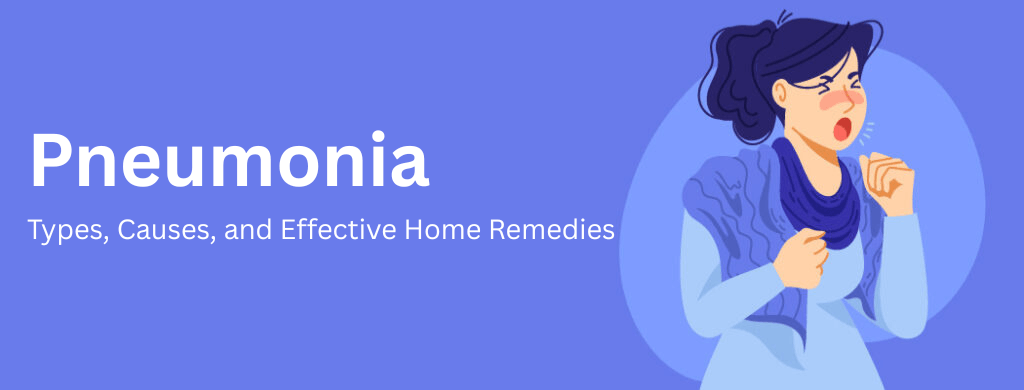
A lung infection called pneumonia can range in severity from being minor to necessitating hospitalization. It takes place when an infection causes the alveoli, or lung air sacs, to swell up with fluid or pus. As a result, you may find it challenging to breathe in adequate oxygen for your bloodstream.
This lung infection can affect anyone. However, those under two years old and those over 65 have a larger risk. That’s because their immune systems might not be capable of defending themselves. Pneumonia may develop in either one lung or both lungs. “Walking pneumonia” is the term used by doctors. Bacteria, viruses, and fungi are some of the causes. In addition, you can spread pneumonia to another person. Excessive drinking and smoking are lifestyle factors that can heighten the risk of pneumonia.
Bacterial Pneumonia Vs. Viral Pneumonia
Pneumonia is an inflammation caused by a lung infection, and the symptoms can differ based on whether it’s triggered by a virus, bacteria, or a fungus.
Viral pneumonia is less prevalent and usually not as severe as bacterial pneumonia. Providers use antibiotics to treat bacterial pneumonia. Symptoms are more familiar with viral pneumonia, likely to go away independently.
Types
We divide pneumonia into community-acquired, hospital-acquired, and ventilator-associated pneumonia. Pathogens that cause pneumonia include viruses, bacteria, and fungi.
Symptoms
In infants and newborns, pneumonia symptoms may appear differently than in adults, or sometimes may not show up at all, such as:
- Coughing that could result in phlegm (mucus)
- Fever
- Fever or chills, chest discomfort that intensifies during coughing or breathing, and difficulty breathing even at rest
- Headaches
- Fatigue or a sensation of exhaustion
- Reduced appetite
- Nausea or vomiting
The following additional symptoms can vary depending on your age and general health:
- While they may not show symptoms, infants can occasionally vomit, feel lethargic, or have problems drinking or eating.
- Children under the age of five may wheeze or breathe quickly.
- Symptoms may be less severe in older persons.
However, they may also feel confused or have a lower body temperature than usual.
Bacterial pneumonia symptoms may appear gradually or unexpectedly. These signs include:
- Extreme fever
- Coughing up green, yellow, or red mucus
- Tiredness (fatigue)
- Quick breathing
- Respiration difficulty
- Quick heartbeat
- Chills or perspiration
- Abdominal or chest discomfort, particularly noticeable when coughing or taking deep breaths
- Decrease in appetite
- Bluish lips, nails, or skin
- Confusion or a changed state of mind
Pneumonia Brought on by a Virus
The signs of viral pneumonia typically appear over a few days. You may have symptoms of bacterial pneumonia in addition to the following:
- Dry cough
- Headache
- Muscle ache
- Extreme weakness or fatigue
Symptoms
Pneumonia symptoms in infants and newborns can differ from those in adults, or they may not manifest at all, including:
- Fever, chills, general unease, and flushed or perspiring skin
- Cough
- Difficulty breathing or fast breathing (tachypnea)
- Decrease in appetite
- Vomiting
- Lack of energy
- Agitation or restlessness
The following signs can be seen in infants and early children:
- Breathing that makes a grunting noise or is noisy.
- A lesser amount of pee or fewer saturated diapers.
- Limpness.
- More tears than usual.
- A problem with feeding.
Causes
Fungus, viruses, or bacteria can bring on pneumonia.
Common causes include
- A flu virus
- Cold viruses
- RSV virus (the top cause of pneumonia in babies aged one or younger)
- Streptococcus pneumoniae and Mycoplasma pneumoniae bacteria
Hospitalised patients who contract an infection while using a ventilator, a machine that helps you breathe, may develop “ventilator-associated pneumonia.“
“Hospital-acquired” pneumonia develops when a patient is admitted to the hospital but isn’t using a ventilator. But most people develop “community-acquired pneumonia,” which means they weren’t hospitalised when they did.
Diagnosis
To diagnose pneumonia, a healthcare provider will review your medical history and conduct a physical examination. Then, they’ll use a stethoscope to listen to your lungs and perform or prescribe another test. These consist of imaging (such as X-rays of the chest), pulse oximetry (measuring the amount of oxygen in your blood), blood testing, or sputum (spit) studies.
Your doctor may not always be able to determine the precise cause of pneumonia, even after confirming that you have it.
Home Remedies
Even while there are certain things you may do to lessen symptoms, home remedies don’t treat pneumonia.
Coughing is one of the most common symptoms of pneumonia. Natural ways to ease a cough include salt water gargles and drinking peppermint tea.
Applying a cool compress may help reduce fever, while sipping warm water or having a bowl of soup can provide relief from chills. Here are a few additional home remedies.
Make sure to rest well and stay hydrated to speed up recovery and help prevent pneumonia from coming back.
Even though home remedies can lessen symptoms, following your treatment plan is crucial. First, follow the directions on any prescription drugs.
When Does a Cough Become Pneumonia?
You’ve been coughing for a long time, but it seems like your cough is growing worse rather than better. You can even cough up phlegm or experience chest pain when you cough. Those are indications that pneumonia may be the cause of your cough.
Pneumonia is a lung infection that can range in intensity and causes the air sacs to fill with fluid or pus.
Knowing the signs of pneumonia and when to visit the doctor can ease your mind, whether you’ve had your cough for three days or three weeks.
Is Pneumonia Contagious?
Although pneumonia is not contagious, the viruses and bacteria that cause it are. For instance, the flu can cause pneumonia and is contagious, although the majority of the people who contract the flu do not develop pneumonia.
Streptococcus pneumonia, the bacterium that most frequently causes pneumonia, can be transferred from one person to another by touching contaminated surfaces or coughing and sneezing.
Fungus-caused pneumonia is not contagious. Like viruses and bacteria, fungi do not transfer from person to person.
Why Would You Need to See a Pulmonologist?
Your normal doctor may recommend seeing a pulmonologist if you have symptoms they can’t treat or believe you might benefit from seeing a specialist. These can be a few of the warning signs and symptoms:
- A cough that doesn’t get better with time (chronic cough)
- Difficulty breathing (dyspnea)
- chest discomfort or stiffness
- Wheezing
- Sleep apnea symptoms may involve heavy snoring or extreme tiredness
- Dizziness
If you already have a respiratory condition, continuing with your regular checkups can help you manage your health effectively.
Prevention
Although pneumonia can be serious, many cases can be avoided through proactive health measures and lifestyle choices. Preventing pneumonia not only reduces the risk of illness but also helps limit the spread of respiratory infections in the community.
1. Strengthen Your Immune System
A well-functioning immune system is your body’s best defence. Make sure to get enough sleep, eat a balanced and nutritious diet, manage stress effectively, and stay physically active. These habits help the body respond more effectively to potential infections.
2. Avoid Exposure to Illness
Try to keep your distance from anyone displaying signs of a respiratory illness, especially during peak cold and flu seasons. If you’re feeling unwell yourself, it’s wise to stay home and recover fully before resuming social activities to avoid spreading infections.
3. Practice Clean Habits
Maintaining personal hygiene can significantly lower your risk. Washing your hands often, especially before eating and after coughing or sneezing, helps prevent the spread of germs that can cause pneumonia. Carrying alcohol-based hand sanitizer is also helpful when soap and water aren’t available.
4. Maintain a Smoke-Free Environment
Tobacco smoke can weaken the lungs and reduce their ability to clear out pathogens effectively. If you smoke, consider quitting. Additionally, steer clear of secondhand smoke, as it can gradually weaken lung function and increase the risk of infection.
5. Keep Up with Regular Health Checkups
Regular medical checkups help monitor underlying health conditions that could increase your vulnerability to pneumonia. Managing chronic issues like asthma, diabetes, or heart disease can help reduce complications if you ever do contract an infection.
6. Environmental Awareness
If you live or work in areas with high pollution or poor air quality, consider using air purifiers or wearing masks during high-exposure days. Breathing clean air helps maintain strong lung function and lowers the chance of developing respiratory infections.
Prevention is a combination of informed choices and consistent health habits. Following these practices can greatly lower your risk of pneumonia and promote better overall respiratory health.
Complications
While pneumonia is often treatable, particularly with early intervention, it can lead to serious complications, especially in vulnerable individuals such as the elderly, infants, or those with weakened immune systems or chronic illnesses. Understanding these potential risks is crucial for effective prevention and management.
1. Respiratory Compromise
In severe cases, pneumonia can greatly reduce lung function, making it hard for the body to receive sufficient oxygen. This may result in respiratory failure, sometimes requiring mechanical ventilation to support breathing.
2. Systemic Infection (Septicemia)
If the infection spreads beyond the lungs and enters the bloodstream, it can trigger a life-threatening response known as sepsis. This condition can affect multiple organs and may result in widespread inflammation, tissue damage, and even organ failure if not promptly treated.
3. Fluid Build-Up (Pleural Effusion)
Inflammation from pneumonia may cause fluid to accumulate in the pleural cavity, the space between the lungs and chest wall. This build-up can make breathing more difficult and, if infected, might require drainage through medical procedures.
4. Lung Abscesses
Occasionally, the infection can lead to the formation of pus-filled cavities in the lungs known as abscesses. These may need intensive antibiotic treatment or even surgical intervention if they do not respond to medication alone.
5. Acute Respiratory Distress Syndrome (ARDS)
In some instances, the lungs may become severely inflamed and filled with fluid, leading to ARDS, a critical condition that limits oxygen exchange and often requires intensive care.
These complications underscore the importance of early diagnosis, proper treatment, and close monitoring, particularly in high-risk groups. Prompt medical attention can often prevent these issues or reduce their severity.
Frequently Asked Questions
1. How long is the recovery from pneumonia?
The recovery from pneumonia may be prolonged. They can resume their regular schedules in one to two weeks. Others may require a month or more. Then, for about a month, most people continue to feel exhausted.
2. Is Pneumonia contagious?
Pneumonia itself isn’t contagious, but the viruses and bacteria that cause it, like the flu or Streptococcus pneumonia, can spread from person to person through coughs, sneezes, or touching contaminated surfaces. However, fungal pneumonia is not contagious and doesn’t spread between people.