 Health
  Find a
  Book an
 Hyperkalemia (High Potassium) : Causes, Symptoms, Treatment & Prevention
January 20, 2026
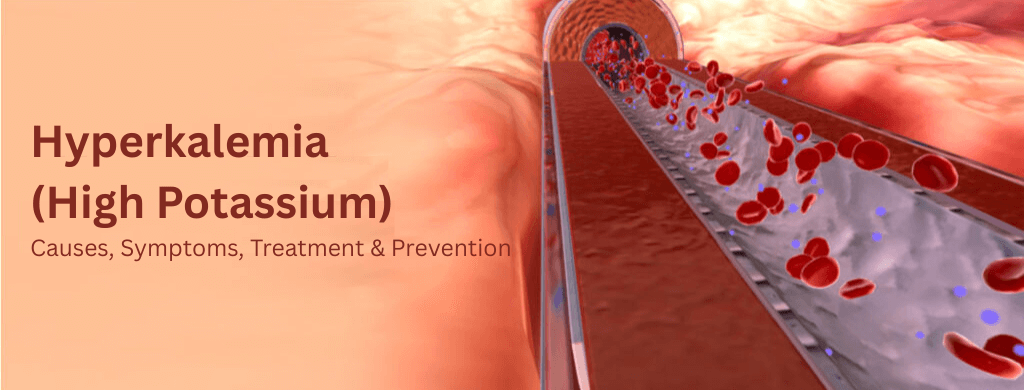
Hyperkalemia is a medical condition caused by extremely high potassium levels in the blood. Potassium is a crucial nutrient that supports the proper functioning of your heart, neurons, and muscles. Although harmful, having too much potassium in your blood might result in major heart issues, such as cardiac arrhythmias, muscle weakness, or paralysis.
Unfortunately, a lot of people do not experience hyperkalemia symptoms until it is too late and their cardiovascular health deteriorates. To better help you understand this illness, we will go over the causes, symptoms, diagnosis, therapy, and prevention of hyperkalemia in this blog.
Causes
Hyperkalemia can arise as a result of numerous causes. These consist of:
- Kidney Dysfunction: The kidneys are essential for preserving the body’s electrolyte balance, which includes potassium. Potassium can build up if kidney function is compromised in any way.
- Adrenal Insufficiency: Addison’s disease, which may lead to hyperkalemia, occurs when the adrenal glands fail to produce sufficient hormones.
- Damage to Tissues: Burns, trauma, and other conditions that harm bodily tissues can release too much potassium into the blood.
- Certain Medicines and Supplements: Some medicines can increase potassium levels by reducing how well the kidneys remove it. These include drugs for high blood pressure and some chemotherapy medicines. Dietary or herbal supplements with potassium can also raise potassium levels.
Symptoms
Depending on how severe the illness is, hyperkalemia can present with a variety of symptoms. Typical signs might include:
- Many people may have no symptoms, especially in mild cases.
- Symptoms often develop slowly and may come and go.
Common symptoms include:
- Feeling tired or weak
- Muscle pain, cramps, or weakness
- Numbness or tingling in the arms or legs
- Abdominal pain
- Nausea or vomiting
- Diarrhea
Severe symptoms include:
- Chest pain
- Irregular, fast, or fluttering heartbeat
- Heart palpitations
- Shortness of breath
- Paralysis in extreme cases
Severe symptoms are dangerous and need immediate medical care.
Diagnosis
Hyperkalemia is a disorder resulting from high potassium concentration. Its diagnosis requires a set of both clinical and laboratory studies. The diagnostic’s key components are as follows:
- To identify potential symptoms and risk factors of hyperkalemia, healthcare providers carry out a comprehensive medical history review and physical assessment.
- Potassium levels in the blood are determined through blood tests like the basic metabolic panel or a complete metabolic panel. The normal for potassium is 3.5-5.0 mEq/L. Hyperkalemia means having a reading that is higher than the normal range.
- ECG vs. EKG: Oftentimes, electrocardiograms (ECG) are implemented to measure one’s cardiac electrical activity. This disease alters the heart’s rhythm, which leads to some ECG distortions. In severe conditions, there could be a possibility of expanding QRS complex, tall peaked T waves, and even sinusoidal wave patterns. The anomalies in the ECG may give useful diagnostic insights.
- The root cause of hyperkalemia must be determined since it can originate from various sources. Establish the underlying illness/medication responsible for increased serum potassium concentrations. They may require more blood tests, imaging examinations, or other methods of diagnosis.
- Making an accurate diagnosis of hyperkalemia is essential for efficient management of the condition. The severity of hyperkalemia, the underlying etiology, and the existence of symptoms all influence treatment options often. To avoid potential cardiac problems and to manage the illness, an early and precise diagnosis is crucial.
Treatment
There are a number of ways to manage hyperkalemia, which is characterized by elevated blood potassium levels, in order to bring them down and avoid consequences. Non-pharmacological approaches, in addition to drugs and tablets, can be successful. These non-pharmacological methods include:
- Dietary Modification: Avoiding or consuming fewer foods high in potassium can aid in managing hyperkalemia. Bananas, oranges, potatoes, tomatoes, and spinach are among the foods that patients are frequently recommended to reduce or completely avoid.
- Fluid Management: Staying well-hydrated can help the kidneys excrete extra potassium through the urine. It can be possible to remove extra potassium from the body by consuming lots of water.
- Potassium Supplement Restrictions: Potassium supplements and salt replacements containing potassium chloride should be discontinued or reduced for patients under the supervision of a doctor.
- Lifestyle Modifications: Regular physical activity and limiting alcohol consumption can support a healthy potassium balance in the body.
- Regular blood tests and potassium level monitoring are essential for assessing progress and making any changes to the treatment plan.
Non-pharmacological options for hyperkalemia control must be decided in close conjunction with a healthcare practitioner. Based on the severity and root causes, these methods can help maintain healthy potassium levels and reduce the likelihood of complications.
Prevention
Consider the following recommendations to prevent hyperkalemia:
- Proper Medication Management: When taking potassium-raising medications as directed by your doctor, check your potassium levels frequently.
- Reduce the consumption of potassium-rich foods like bananas, oranges, tomatoes, and spinach, particularly if you have kidney issues.
- Stay Hydrated: Drinking enough water might help keep potassium electrolyte balance in check.
A disorder called hyperkalemia is characterized by high amounts of potassium in the blood. Kidney disease, drug interactions, or tissue injury may bring it on. Identifying the symptoms early and promptly consulting a healthcare professional is vital for accurate diagnosis and effective treatment. People can lower their chances of having hyperkalemia and maintain healthy levels of potassium in their bodies by taking precautions.
Complications
High potassium levels in the blood can be very dangerous if not treated on time. Potassium plays an important role in controlling the heart and muscle functions. Too much potassium can disturb these normal processes and lead to serious problems.
One major complication is heart rhythm problems. High potassium can change the way the heart beats. The heartbeat may become slow, fast, or irregular. In severe cases, this can lead to a heart attack or cause the heart to suddenly stop beating, which is known as cardiac arrest. This condition is life-threatening and needs immediate medical care.
Muscle weakness is another common complication. People may feel tired, weak, or have trouble moving their arms and legs. In severe cases, muscle weakness can turn into paralysis, where muscles stop working properly.
High potassium can also affect the kidneys. If levels remain high for a long time, it may lead to kidney failure, making it hard for the body to remove waste and extra fluids.
If hyperkalemia is left untreated, the risk of these complications increases. Early diagnosis and proper treatment are important to prevent serious and life-threatening outcomes.
Frequently Asked Questions
1. Can hyperkalemia be life-threatening?
Yes, severe hyperkalemia can be fatal since it can cause cardiac arrest and hazardous heart rhythms.
2. Can hyperkalemia cause muscle cramps?
Muscular weakness may result from hyperkalemia’s effects on muscular function. Muscle cramps may occur due to muscle weakness, although they are not a definitive symptom of hyperkalemia.