 Health
  Find a
  Book an
 How to Stop Hiccups: Causes & Remedies
June 18, 2025
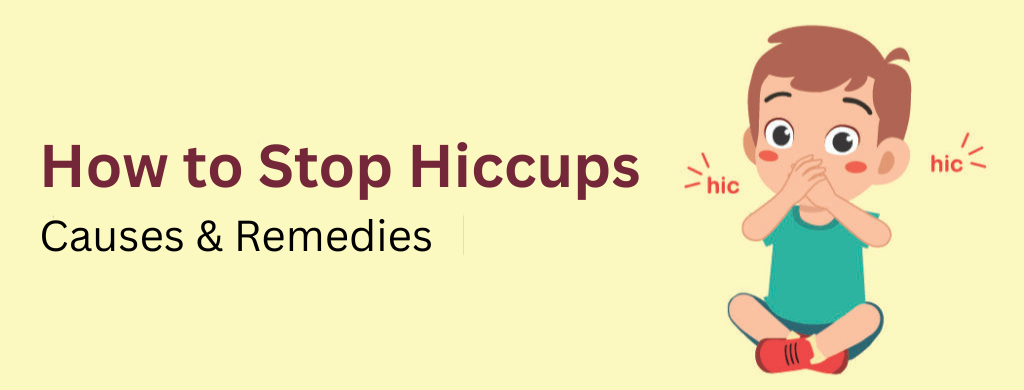
Hiccups are uncontrollable contractions of the diaphragm that may produce a sudden, sharp sound and can occasionally be irritating. Although hiccups are usually harmless, they can indicate an underlying health condition. In this blog post, we will explore the causes of hiccups and provide some tips on how to stop them.
Causes
Hiccups may occur due to several different factors, such as:
- Eating too quickly: Rapid eating often causes you to swallow excess air, which can set off hiccups.
- Drinking carbonated beverages: Carbonated drinks can cause the stomach to become distended, irritating the diaphragm muscle and causing hiccups.
- Alcohol consumption: Alcohol may irritate the stomach lining and disrupt the nerves responsible for controlling the diaphragm, leading to hiccups.
- Eating spicy foods: Consuming spicy foods may inflame the stomach lining, potentially triggering hiccups.
- Nervousness or emotional stress: Anxiety and stress can cause hiccups by disrupting the normal breathing pattern.
- Medical conditions: Underlying health issues such as GERD, pneumonia, or brain trauma may lead to the onset of hiccups.
How to Stop Hiccups
There are several ways to stop hiccups, including:
1. Hold Your Breath
One of the most common ways to stop hiccups is to hold your breath. It helps by raising the carbon dioxide levels in the bloodstream, which may calm the diaphragm and stop the hiccups. To try this method, inhale deeply and hold your breath for as long as you comfortably can. Then, Exhale slowly and repeat if necessary.
2. Breathe Into a Paper Bag
Another way to stop hiccups is to breathe into a paper bag. It works by elevating carbon dioxide levels in the bloodstream, which may help relax the diaphragm muscle. To do this, take a small paper bag and breathe in and out of it for a few minutes.
3. Drink Water
Drinking a glass of water can also help stop hiccups. This method stimulates the vagus nerve, which connects the brain to the stomach and plays a role in regulating breathing. To do this, take small sips of water until the hiccups stop.
4. Eat a Spoonful of Sugar
A single spoonful of sugar may also put a quick stop to hiccups. This works by stimulating the nerves in the throat, which can help regulate breathing. To do this, take a spoonful of sugar and let it dissolve slowly in your mouth.
5. Pull Your Knees Up to Your Chest
Bringing your knees up toward your chest may also be an effective way to relieve hiccups. This works by compressing the chest and diaphragm muscles, which can help regulate breathing. To try this technique, sit comfortably in a chair and gently pull your knees up to your chest, holding the position for a few minutes.
6. Massage Your Diaphragm
Massaging your diaphragm can also help stop hiccups. This works by relaxing the muscles and can help regulate breathing. To do this, place your hand on your stomach, just below your rib cage, and gently massage the area.
7. Use a Compressed Air Inhaler
Using a compressed air inhaler can also help stop hiccups. It helps by activating the vagus nerve, which assists in controlling your breathing rhythm. Hold the inhaler to your mouth and inhale and exhale slowly for a few minutes.
8. Gargle with Water
Gargling with water can also help stop hiccups. This works by stimulating the nerves in the throat and can help regulate breathing. To do this, take a glass of ice water and gargle it in your mouth for a few seconds.
9. Try Acupressure
Acupressure is an ancient Chinese healing method that involves applying pressure to targeted points on the body to alleviate various symptoms. For example, Acupressure can be used to stop hiccups by stimulating the diaphragm muscle. To do this, place your thumb on the center of your palm and press firmly for 30 seconds, then repeat on the other hand.
10. Take Deep Breaths
Taking deep breaths can also help stop hiccups. This works by calming the nerves that control the diaphragm muscle and can help regulate breathing. To do this, take slow, deep breaths through your nose and out through your mouth.
11. Use a Tongue Depressor
Using a tongue depressor can also help stop hiccups. This works by stimulating the gag reflex, which can help regulate breathing. To do this, place a tongue depressor on the back of your tongue and hold it there for a few seconds.
When to See a Doctor
Hiccups are usually harmless and will go away on their own. However, if hiccups last longer than 48 hours or are accompanied by symptoms like chest pain or difficulty breathing, it’s important to consult a doctor, such as a gastroenterologist, pulmonologist, or primary care physician. Your physician might carry out a physical check-up and request diagnostic tests to uncover what’s triggering your hiccups.
Prevention
To avoid getting hiccups from lifestyle-related factors, you can adjust your habits. If you notice that specific actions are causing your hiccups, you can try doing the following:
- Consume smaller meals instead of large portions at once.
- Take your time when eating, and eat slowly.
- Refrain from consuming spicy foods.
- Cut down on your alcohol intake.
- Avoid drinking carbonated beverages.
- Try stress-reducing techniques, such as mindful breathing or meditative practices, to promote relaxation.
Frequently Asked Questions
1. How to stop hiccups in newborns?
To stop hiccups in newborns, try burping them during and after feedings to release trapped gas. If breastfeeding, burp before switching sides. A pacifier can also help relax the diaphragm. In most cases, hiccups stop on their own within 5–10 minutes, so intervention may not be necessary. However, if hiccups persist or cause distress, consult a doctor.
2. How do you get rid of hiccups using pressure points?
Applying pressure to specific points can help stop hiccups. Try pressing the TE17 point (behind the earlobe), jaw point (behind the jawbone), chest points (above the collarbone), or upper lip point (between the nose and upper lip) for 20–30 seconds while breathing deeply. If hiccups persist despite these methods, seek medical advice.