 Health
  Find a
  Book an
 How to Manage Gallstones Without Surgery
March 23, 2026
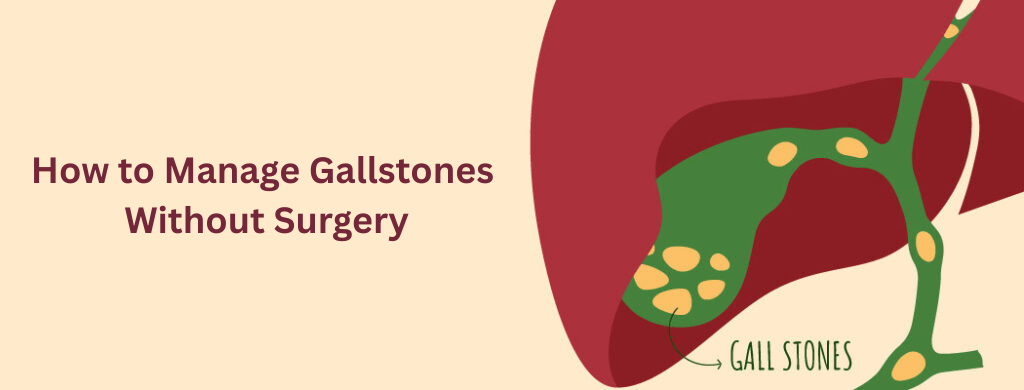
50% of the bile acid, which is necessary and helpful for indigestion, is stored in the gallbladder. The liver is where bile acid is secreted. When the gallbladder isn’t working correctly, cholesterol builds up in the gallbladder duct and eventually crystallises into a hard stone. A gallbladder stone can be any size, from the size of a single grain of sand to several golf balls. The best possible treatment options must be used in cases of severe gallstone development. A gastroenterologist would advise you to take the medication for a few days to regulate gallbladder issues.
The answer to your question about whether the body can still operate properly after removing the gallbladder is yes. The most important organ for the body to survive and function is not the gallbladder. Therefore, the body might return to normal after surgery without experiencing serious adverse effects.
Hard deposits called gallstones develop in your gallbladder. Gallstones can be of two different types:
- Gallstones with excess cholesterol, which are the most prevalent, and pigment gallstones with excess bilirubin
- While surgery is a common treatment for gallstones, there are also natural methods that may help manage them. Keep reading to learn about home remedies and tips to prevent gallstones from forming.
How to Treat Gallbladder Stones Without Surgery
There are different non-surgical methods that can help manage or remove gallstones, depending on their size and type.
Medication
Doctors may prescribe medicines to dissolve gallstones, especially if they are small and made of cholesterol. Common options include ursodeoxycholic acid and chenodeoxycholic acid. These medicines work by reducing cholesterol in bile and slowly breaking down the stones.
You need to take these medicines daily, and it may take months or even years to see results. Gallstones can return after stopping the treatment. This method does not work well for large or pigment stones, and some people may have side effects like diarrhoea or stomach pain.
Shock Wave Lithotripsy (ESWL)
Shock Wave Lithotripsy is a procedure that breaks gallstones into tiny fragments using sound wave energy, without the need for surgery. A machine sends these waves from outside the body, so there is no need for surgery.
Once the stones are broken, the small pieces can pass through the bile ducts and leave the body naturally, sometimes with the help of medicines.
This method works best for small stones that are easy to target. It may not be suitable for large or very hard stones. In some cases, the broken pieces can block the bile ducts and cause problems.
Natural Methods to Treat Gallbladder Stones
The upper right portion of the abdomen may experience an acute, excruciating discomfort due to gallstones. You might feel this ache moving up to your shoulder blade and into your back. Other signs and symptoms include diarrhoea, light-colored or grey stools, nausea, and vomiting.
Before attempting to treat gallstones on your own, consult your doctor. You can get the proper diagnosis with the help of your doctor. In addition, you can get their advice on all of your available treatment alternatives. Finally, seek emergency medical attention if you experience yellowing of the eyes, a fever or chills, or severe abdominal discomfort.
Cleansing the Gallbladder
A gallbladder cleaning is one of the most popular treatments for gallstones. Supporters of this method claim it helps dissolve gallstones and flush them out of the body. Although some scientific evidence supports gallbladder cleansing, anecdotal accounts suggest it might benefit certain people.
A gallbladder flush typically involves drinking a mixture of apple juice, herbs, and olive oil over a period of two to five days. There are different recipes; some processes let one eat while others don’t.
Apple Juice
According to scientific studies, if the patient drinks apple juice daily, the risk factors for gallstone formation can significantly decrease. In addition, apple juice has been shown to improve gallstone treatment by allowing gallstones to come out more easily. Apple juice is considered helpful for diabetic individuals and is also good for the small intestine, treating stomach ulcers.
Individuals with diabetes or blood sugar concerns may face risks if they avoid solid foods while following such a diet.
Milk Thistle
It is a herbal remedy made from milk thistle plants that effectively treats liver and gallbladder issues. Milk thistle has shown potential in managing diabetes by helping to reduce blood sugar levels. Cider Vinegar, Apple. In addition to helping to cleanse the body, apple cider vinegar is effective at stabilising acute gallbladder pain. As it drastically lowers blood sugar levels, apple cider vinegar is especially beneficial for people with diabetes. If you have gallbladder pain or biliary colic, it is advised that you consume two spoons of apple cider vinegar in warm water.
Apple Cider Vinegar
Apple cider vinegar (ACV) is widely used in detox regimens and is known to help reduce blood sugar levels. However, there is no clinical research confirming its ability to treat gallstones. Therefore, the need for or effectiveness of cleanses is not well supported.
Castor Oil Packs
Another traditional treatment is castor oil packs; some prefer gallbladder cleansing. You cover your abdomen with warm clothes soaked in castor oil. The packs are intended to cure your gallstones and relieve pain.
Artichoke
Artichoke is a healthy food that may support both liver and gallbladder function. It helps improve bile flow, which is important for digestion and may also play a role in managing gallbladder issues like gallstones. However, there is no clear scientific evidence proving that artichoke can treat gallstones.
You can safely include artichoke in your diet by steaming, grilling, or pickling it, as long as your body tolerates it well. Artichoke extract or supplements may also offer similar benefits, but they should only be used after consulting a doctor.
Gold Coin Grass
Gold coin grass, also known as Lysimachiae herba, is used in traditional Chinese medicine to treat gallstones. It is believed to help reduce gallstone formation and soften the stones, which may allow them to pass more easily. Some people use it before starting a gallstone cleanse for this purpose.
It is available in different forms, including tea, capsules, powder, and liquid extracts. You should seek medical help if you have sharp pain that does not go away, fever with chills, feel very sick, keep vomiting, or cannot eat without pain.
Acupuncture
Acupuncture is a therapy in which thin needles are placed at specific points on the body to help manage pain and digestive problems. It may help relieve discomfort from gallstones by reducing spasms, improving bile flow, and supporting normal gallbladder function. Some people also believe it can help treat gallstones, but more research is needed to confirm this.
In a small study on people with cholecystitis (inflammation of the gallbladder), acupuncture helped reduce symptoms and decreased gallbladder volume. However, more studies are needed to clearly understand its effects on gallstones.
Acupuncture is considered safe if it is carried out by a qualified practitioner using sterile, disposable needles. It is available in private clinics as well as community centers, where treatment may be more affordable. Some insurance plans may also cover part of the cost.
What Happens if Gallbladder Stones Are Not Removed?
Not treating your gallbladder is not a good idea. Surgery can be substituted with medicine or conventional therapy. But don’t let it go untreated. It might even be fatal.
The pancreatic or gallbladder regions may become inflamed or infected as a result. As a result, it may also manifest as gallbladder cancer. Though not particularly damaging, this type of cancer can spread to other organs. Gallbladder cancer is quite common and extremely dangerous since gallbladders frequently rupture.
What to Eat to Remove Gallstones?
Few foods will aid in gallstone dissolution. If you take medications, it is best to follow this diet. This is the list.
1. Green Fruits and vegetables
Always choose fruits and vegetables for your body. However, some particular fruits and vegetables can aid in gallstone dissolution. For example, foods high in vitamins B and C and calcium are best for people with gallbladder stones. Consuming citrus fruits such as lemons and oranges, along with various bell peppers and leafy green vegetables, may also help reduce the risk of gallstones.
2. Fibre is present in food
Patients with gallstones must eat foods that are high in fibre. In addition, eat nuts, seeds, and veggies to treat gallstones.
3. Dairy products
You can still consume milk, although overeating fat can raise your risk of developing gallbladder stones. Nevertheless, milk is very beneficial to your health. Milk alternatives like soy milk, almond milk, and others can also be used as substitutes for regular milk.
4. Proteins
Despite being the primary sources of protein, mutton and seafood might damage your health. Red meat can be substituted with soybeans, tofu, beans, etc. They are quite beneficial to your health and include protein as well.
When Should I Visit a Gastroenterologist?
Always consult a Gastroenterologist before trying a natural remedy. If you notice signs that may be linked to gallstones, be sure to reach out to your primary healthcare provider for evaluation. For additional treatment, your doctor could recommend that you see a gastroenterologist.
- 5 hours or longer of abdominal pain, fever, and chills
- Eyes or skin that have a yellow tint
- Urine with a tea colour
- Pale stools
- Nausea
- Vomiting
People who think they may have had a gallbladder attack should immediately see a doctor to lower the risk of further issues.
1. What size of gallbladder stones requires surgery?
Gallstones larger than 10 millimetres are more likely to require surgery, as they pose a higher risk of causing symptoms or complications such as bile duct obstruction. Surgery is not only dependent on the size of gallstones; it is often necessary in cases of acute cholecystitis, bile duct obstruction, or pancreatitis because of the likelihood of intense pain and serious medical risks.