 Health
  Find a
  Book an
 Hepatitis B Vaccine: Protection, Schedule, Importance & Side Effects
November 25, 2025
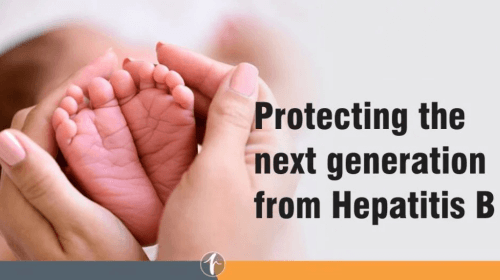
Children today can be protected against many diseases through timely vaccination. Many diseases, such as smallpox, have been eradicated from the world because of successful global vaccination programmes. Hepatitis B can become life-threatening by causing liver cell injury and scarring, which may progress to cirrhosis and liver cancer.
Hepatitis B in Babies Born to Hepatitis B-Positive Mothers
Hepatitis B spreads through direct contact with infected blood and body fluids. It can also spread from an infected mother to the baby during childbirth. Hepatitis B infection can be an acute, short-term illness with your body successfully eliminating the hepatitis B virus in a few months. Though some people may have some long-term liver damage, the majority of the infected people have no lasting effects.
When your body is not able to successfully eliminate the virus even after 6 months, then you have chronic hepatitis B infection. This means you will have the virus in your body longer, probably for life. You may have symptoms such as jaundice, fatigue, nausea, loss of appetite, etc., for life. Chronic infection is more serious than acute infection because the virus stays in the liver longer and causes greater damage. People with chronic hepatitis B have a much higher risk of cirrhosis and liver cancer.
A baby born to a hepatitis B-positive mother develops a chronic infection. The baby will have the virus in the liver for life and will face serious complications as he/ she grow older.
This can be prevented with a vaccine.
Hepatitis B Vaccine for Complete Protection
The hepatitis B vaccine is the safest way to protect children from hepatitis B infection. The schedule varies slightly for babies born to hepatitis B-positive women and for babies born to women without infection.
If the mother is not hepatitis B positive
1st dose within 24 hours after birth
2nd dose at 1-2 months of age
3rd dose at 6-18 months of age
If the mother is hepatitis B positive
1st dose within 12 hours after birth
This should be followed by Hepatitis B immune globulin (HBIG) to provide immediate protection
2nd dose at 1-2 months of age
3rd dose at 6-18 months of age
The hepatitis B vaccine offers lasting protection against the virus. Infants who get the hepatitis vaccine series are protected from infection. It also protects them against hepatitis D infection, as you can only pick up hepatitis D infection if you have or have had hepatitis B infection.
Many dangerous diseases, such as whooping cough, tetanus, polio, etc., have been controlled through effective global vaccination drives. Currently, there are millions of people affected by hepatitis B who are unaware of it. As they do not get tested, they come to know of their illness only when they develop serious liver damage. Each year, millions die due to complications of hepatitis B infection. This can be prevented through vaccination.
Why Hepatitis B Vaccine Is Important
The hepatitis B vaccine provides the strongest defence against the virus and the chronic problems it may cause. Vaccination helps your body build strong protection against the virus, reducing the risk of developing chronic hepatitis B, cirrhosis, or liver cancer. The vaccine is given as a series of two or three doses, depending on the brand, and completing the full schedule is essential for long-term immunity.
Even if you miss a dose, you can resume the schedule later; restarting the vaccine series is unnecessary. The vaccine is also safe during pregnancy, making it an important protective measure for expectant mothers. Most healthy individuals do not require booster doses, as the immunity gained from the initial series typically provides lasting protection. Whether taken as the two-dose or three-dose series, receiving all doses ensures complete and reliable protection.
Side Effects of the Hepatitis B Vaccine
The hepatitis B vaccine has an exceptional global safety record, with more than a billion doses administered worldwide. Extensive studies by leading health organizations, including the WHO and CDC, confirm that the vaccine does not cause conditions such as SIDS, autism, multiple sclerosis, or neurological disorders.
Most side effects are mild, temporary, and resolve on their own. The most common reaction is soreness, redness, or swelling at the injection site. Some individuals may experience fatigue, decreased appetite, headache, mild fever, stomach discomfort, nausea, diarrhoea, or nasal inflammation. These effects are usually short-lived and do not require medical attention unless they persist.
Severe allergic reactions are extremely rare. Healthcare providers administering the vaccine are trained to recognize and manage such responses immediately. Because the hepatitis B vaccines used today contain a killed version of the virus, there is no risk of getting hepatitis B from the vaccine itself. The vaccine may not be recommended only for those with known yeast allergies or previous severe reactions to the vaccine.
Rela Hospital is a world-renowned liver care centre with one of the best liver transplant services. Our paediatric liver services provide comprehensive care for newborns and infants. Rare infant liver conditions are successfully diagnosed and treated.
For comprehensive liver care, contact our liver specialists.