 Health
  Find a
  Book an
 Healthy Diet for Breastfeeding Mothers
November 17, 2025
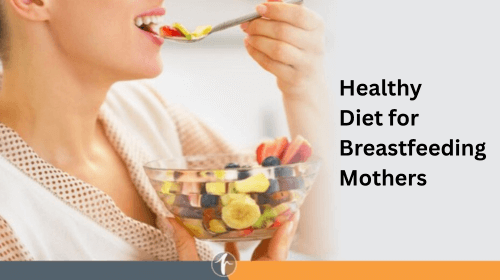
If you are breastfeeding your infant, you will be faced with a tough question. How much to eat to stay healthy and not gain weight. This is a fine balance that you have to strike early to regain and maintain your strength, even as your baby draws out rich nutrients from your body. Your diet is crucial because if you do not eat enough, your baby will drain your reserves, and if you eat too much, you will gain weight in addition to the weight you gained during your pregnancy.
The Ideal Diet for a Breastfeeding Mother
The perfect diet will help boost your strength and health, provide the best nutrition for your baby and also prevent weight gain. So, here is a guide to healthy eating during breastfeeding.
Things to Remember While Breastfeeding
When you are breastfeeding, you need 330 to 400 extra calories per day to have the energy and capacity to produce the nutrient-rich milk in the quantities required by your baby. You should choose these calories wisely. Here’s how.
Your diet should have adequate amounts of iron, protein and calcium.
Lentils, leafy green vegetables, peas and dried fruits are good sources of iron.
Include citrus fruits like oranges, sweet lime, and lemon in your meals to help your body absorb iron more effectively.
Include protein-rich foods such as eggs, lean meat, and seafood. Vegetarians include foods such as soy products, legumes, lentils, nuts, seeds and whole grains.
For calcium, include dairy products and dark green vegetables. Calcium fortified juices, cereals, soy milk, soy yoghurt and tofu are also good sources.
Make sure you get enough vitamin D, either through regular sun exposure or by taking supplements.
Healthy fats such as coconut, eggs, and full-fat yoghurt are also important.
Foods You Should Include in Your Diet During Breastfeeding
- Eggs
- Low-fat dairy products
- Lean meat
- Lentils
- Seafood
- Whole grain and whole grain products
- Fruits and vegetables
- Greens
- Plenty of fluids
Foods to Avoid During Breastfeeding
- Alcohol
- Fried and spicy foods
- Foods with high fat content
- Juices with high sugar content
- Caffeinated drinks
- Fast foods
Flavour Your Breast Milk
Whatever you eat will pass on to your baby through your milk. This includes the flavours of food you eat. Include a variety of flavours in your diet to give your baby different flavoured milk. Exposure to different flavours from a young age will help your baby adjust to different flavoured foods easily.
When you feed your baby, your body will ensure that the milk you produce has the right mix of protein, fat, vitamins and antibodies. If your diet is not right and if you are undernourished, then your body will draw the elements necessary to produce milk from your body, including your bones. So, eating a nutritious diet is vital to stay healthy and rebuild your strength.
When Your Diet May Affect Your Baby
(Most babies tolerate their mother’s diet well, but some may react to certain foods.)
If your baby becomes unusually fussy, develops a rash, diarrhoea, wheezing, or mucus-like stools after feeding, it could indicate a sensitivity. In such cases, you may try eliminating the suspected food for a week to see if symptoms improve.
The most common allergy-triggering foods are dairy, soy, wheat, eggs, nuts and fish. (If symptoms persist, keeping a food diary or consulting a dietitian can help identify the specific food.)
Why Balanced Nutrition Matters
When you feed your baby, your body will ensure that the milk you produce has the right mix of protein, fat, vitamins and antibodies. If your diet is not right and if you are undernourished, then your body will draw the elements necessary to produce milk from your body, including your bones. So, eating a nutritious diet is vital to staying healthy and rebuilding your strength.
For lactation advice and nutrition counselling, contact Dr. Rela Hospital & Medical Centre. We are a Baby Friendly hospital and follow the best practices in neonatal care to give you and your baby a healthy start in life.