 Health
  Find a
  Book an
 Amyotrophic Lateral Sclerosis (ALS): Symptoms, Causes and Treatment
October 23, 2025
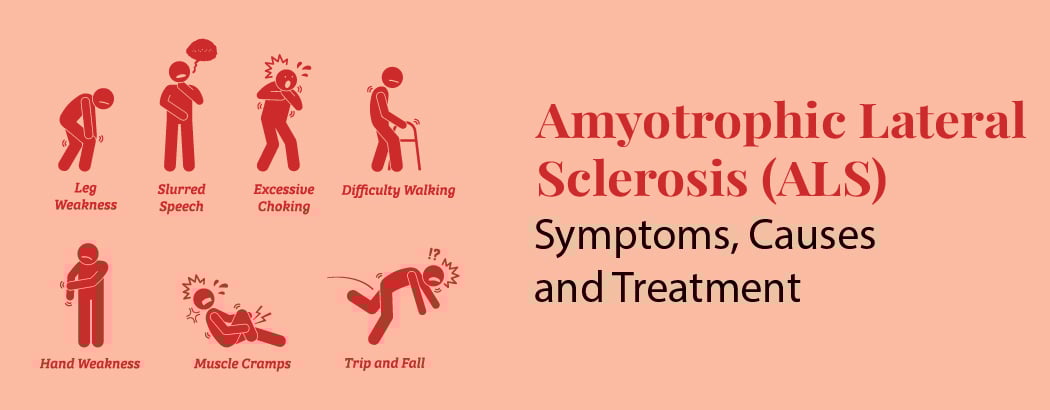
ALS is a serious disorder affecting the nervous system. Although it is not common, it is critical to understand what it is, how the body reacts to it, and how to help people who have been diagnosed. This condition is also referred to as Lou Gehrig’s disease.
Amyotrophic Lateral Sclerosis is a worsening disease that affects nerve cells in the brain and spinal cord. Walking, talking, chewing, and breathing are examples of voluntary muscle movements regulated by these neurons.
“No muscle nourishment” is what amyotrophic means. When a muscle fails to receive nerve impulses, it begins to weaken and degenerate. The stiffening of the spinal cord’s sides as the illness progresses is known as “lateral sclerosis.”
How Does ALS Affect the Body?
In the early stages of ALS, the symptoms can be mild and might even go unnoticed. Over time, the disease affects more muscles and makes everyday tasks harder to do.
Here’s what typically happens:
- Muscle Weakness: It often starts with weakness in one part of the body, like a hand, leg, or the muscles that control speech.
- Twitching and Cramps: Muscle twitches or cramps can occur in the arms, legs, shoulders, or tongue.
- Difficulty Speaking and Swallowing: As the muscles involved in speech and swallowing weaken, it may become difficult to talk clearly or eat certain foods.
- Trouble Breathing: Eventually, the muscles that control breathing are affected, making it harder to take deep breaths or cough.
ALS usually doesn’t affect a person’s senses (like sight, hearing, or touch) or their ability to think and reason in its early stages. Many people with ALS remain mentally sharp while their physical abilities decline.
Causes
The precise cause of ALS remains unknown. In most cases, it appears randomly without a clear reason. A smaller number of cases run in families, which means there’s a hereditary link.
Scientists believe a mix of factors might be involved:
- Genetics: Some genetic factors may raise the risk.
- Environment: Exposure to toxins, physical trauma, or other environmental triggers may play a role.
- Cellular Issues: Problems with how nerve cells handle proteins, energy, or waste products could contribute.
But it’s important to remember that ALS is not contagious, and no one can “catch” it from someone else.
Risk Factors
Certain factors may increase the chances of developing amyotrophic lateral sclerosis (ALS). However, having one or more risk factors does not mean a person will definitely get the disease.
Common risk factors include:
- Age: The risk increases with age, especially between 55 and 75 years.
- Gender: Men have a slightly higher risk than women before the age of 65.
- Genetics: Some people inherit gene changes from their family. In hereditary ALS, children may also carry the gene.
- Smoking: Smoking may raise the risk, particularly in women after menopause.
- Environmental exposure: Contact with harmful substances such as lead or chemicals may increase risk in some cases.
- Military service: Veterans may have a higher risk, possibly due to physical injuries or exposure to toxins.
Researchers are still studying why ALS develops. In many people, the exact cause remains unknown.
Diagnosis
Diagnosing ALS can be a challenge because its early symptoms are similar to those of other diseases. There isn’t a single test that can confirm ALS. Instead, doctors use a combination of methods:
- Physical Exams: Checking muscle strength, reflexes, and coordination.
- Medical History: Asking about the patient’s symptoms and any family history.
- Imaging Tests: Such as MRI scans to rule out other conditions.
- Nerve Tests: Measuring how well nerves and muscles are working together.
- Blood and Lab Tests: To exclude other possible causes of symptoms.
Often, it takes time and several tests to make a clear diagnosis.
Can ALS Be Cured?
Currently, there is no cure for ALS. It’s a progressive condition, which means it worsens over time. Nonetheless, treatments and therapies can help control symptoms, enhance quality of life, and occasionally slow disease progression.
The treatment approach for ALS usually involves a team of healthcare professionals, including:
- Neurologists (brain and nerve specialists)
- Physical therapists
- Occupational therapists
- Speech therapists
- Nutritionists
- Respiratory therapists
- Counsellors or social workers
Together, they focus on helping people with ALS live as comfortably and independently as possible for as long as they can.
Managing Life with ALS
Although an ALS diagnosis is life-altering, many individuals learn to adapt and preserve a meaningful quality of life. Here are some ways this can happen:
- Physical Therapy: Physical exercises can support muscle strength and flexibility, helping to relieve discomfort and decrease stiffness.
- Assistive Devices: Tools like braces, walkers, wheelchairs, and voice communication aids make daily life easier and safer.
- Nutritional Support: As swallowing becomes difficult, special diets and feeding options can help maintain health and energy levels.
- Breathing Support: Devices to assist with breathing can be introduced when necessary, helping with nighttime breathing or more advanced breathing difficulties.
- Emotional and Mental Health Care: Coping with ALS can be emotionally challenging, so counselling and support groups offer valuable help for both individuals and their families.
It’s also important for families and friends to be part of the care and support system. Small gestures of kindness, patience, and understanding can mean the world to someone living with ALS.
Though there’s no cure yet, ongoing research is offering hope. Scientists are working hard to better understand ALS, find new treatments, and explore ways to slow down or stop its progression. Advances in genetics, cell studies, and new therapies pave the way for more effective options.
People living with ALS today have access to better supportive care, modern equipment, and a growing community of people dedicated to making life with the disease more manageable.
Conclusion
ALS is a serious and complex condition that affects the body’s ability to control voluntary muscle movement. While it presents many challenges, it doesn’t take away a person’s spirit, intelligence, or humanity. Understanding ALS is the first step toward showing compassion, offering support, and inspiring hope. Whether you’re learning about it for the first time or supporting a loved one, remember that knowledge, kindness, and community can make a meaningful difference. No one should face ALS in isolation, and with expanding support networks, ongoing research, and increased awareness, there is hope for a brighter future for those affected.
Frequently Asked Questions
1. How long can a person live with ALS?
ALS affects everyone differently. While it’s a progressive disease, the speed of progression can vary. Some people live with ALS for several years, and advances in care and support are helping people manage the condition better than ever before.
2. Is it possible to have a family after an ALS diagnosis?
Family planning is a personal decision and depends on each individual’s circumstances. It’s important to have open conversations with healthcare providers and family members to discuss options and support.
3. How can family and friends help someone with ALS?
Providing emotional support, helping with daily tasks, encouraging independence where possible, and simply being there to listen can make a big difference.