 Health
  Find a
  Book an
 All About Prenatal Scans: From Early Pregnancy to Delivery
December 8, 2025
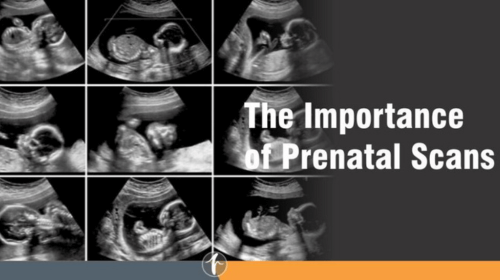
Prenatal scans are a vital part of your routine obstetric check-ups, offering valuable insights into the health and development of your baby. These scans help your doctor ensure your pregnancy progresses normally and identify potential concerns early on. While some scans are standard for all pregnancies, others may be recommended if you have a high-risk pregnancy. In a typical, healthy pregnancy, you’ll usually undergo three key scans, one early on, followed by detailed scans around the 12th and 20th weeks. However, if there’s an increased risk of complications such as preterm delivery, your doctor may schedule additional scans to monitor your baby’s growth and well-being closely.
The first scan is a truly special moment; it offers the first glimpse of your baby, turning the idea of pregnancy into a beautiful reality. But beyond the emotional joy, this scan also plays a crucial role in confirming important details like the baby’s heartbeat, the due date, and the overall health of your pregnancy. Let’s take a closer look at the types of prenatal scans and what each one helps to detect.
First Scan – Between 6 and 8 Weeks
- It confirms that your pregnancy is in the uterus and not in the fallopian tubes.
- It checks for the presence of the yolk sac and foetal pole to establish the age of your pregnancy.
- It checks if it is a single or multiple pregnancy.
- It establishes the Estimated Due Date.
NT Scan – 11 Weeks and 13 Weeks 4 Days
- This risk assessment scan checks for the likelihood of chromosomal abnormalities. The risk is greater if you are 35 years or older and a Nuchal Translucency (NT) scan is taken.
- If you are at risk of pre-term labour, you will be advised to undergo a Cervical length scan.
- Uterine blood flow will also be measured to check if you are at risk of developing pre-eclampsia, which could lead to placental insufficiency and poor foetal development.
Second Trimester Scan (Anomaly Scan) – Between 18 Weeks and 22 Weeks
- To check the physical development.
- To check the skeletal system, brain, and heart systems.
- To check for placenta praevia, where the placenta occurs over or near the cervix.
- To check the amount of amniotic fluid.
- Best Before 20 weeks.
- 7% of anomalies can be detected.
Third Trimester Scan (Growth Scan) – 24-28 Weeks
- To check foetal development, head and abdominal circumference and femur length are measured.
- To estimate the date of delivery and the weight of the baby.
- To monitor the heartbeat.
- To check the position of the baby.
- To asses total fluid volume.
- To check the position and function of the placenta.
- Follow-up Scan.
Doppler Scan (32-36 Weeks)
A Doppler scan between 32 and 36 weeks helps monitor the baby’s growth and overall well-being. This non-invasive scan uses sound waves to check blood flow in important areas like the umbilical cord, placenta, and the baby’s brain.
The scan shows whether the placenta is supplying enough oxygen and nutrients to support the baby’s growth. It also helps identify any signs of growth restriction or fetal distress early.
During the scan, a healthcare professional uses a small wand on the mother’s abdomen. The scan works by sending sound signals that turn into live images of the baby on the screen. These images allow the doctor to measure the baby’s blood flow, check the heartbeat, and ensure that the baby is developing properly.
This scan is important because it gives reassurance about the baby’s health in the final weeks of pregnancy and helps plan safe delivery if any issues are detected.
Scan After the Due Date
If you do not go into labour after the due date, then a scan is done to assess the fluid volume and flow through the cord to determine the risk of foetal distress when contractions are induced. If you are pregnant and have any doubts about your scans, schedules, and prenatal care, contact us for a thorough understanding of your pregnancy and a safe and full-term birth.
How to Prepare for a Pregnancy Scan?
A pregnancy scan is an important test that helps doctors check the health of both the mother and the baby. Proper preparation helps you get clear and accurate results. A few simple steps can make the scan process smooth and stress-free.
Follow Your Doctor’s Advice
Always talk to your doctor before the scan. Your doctor will tell you which scan is needed and the right time to do it. Each scan has a different purpose, such as confirming pregnancy, checking growth, or finding any problems.
Drink Enough Water
For some early pregnancy scans, a full bladder is needed. Drinking enough water helps the doctor see the baby and uterus clearly. Follow your doctor’s instructions about how much water to drink.
Wear Comfortable Clothes
Wear loose and comfortable clothing on the day of the scan. This makes it easy for the technician to access your abdomen and keeps you relaxed during the test.
Carry Your Medical Records
Bring your previous scan reports, blood test results, and prescriptions with you. These records help the doctor compare past and present reports and track the baby’s growth properly.
Eat Healthy Food
Eat a balanced diet with enough iron, calcium, and folic acid. Good nutrition supports your baby’s growth and keeps you healthy for the scan and the rest of your pregnancy.
Clear Your Doubts
If you feel nervous or confused, ask your doctor any questions you may have. Knowing what to expect helps you feel calm and confident.
Preparing well for a pregnancy scan helps ensure accurate results and gives you peace of mind about your baby’s health.