 Health
  Find a
  Book an
 15 Reasons of Heel Pain Explained
February 12, 2026
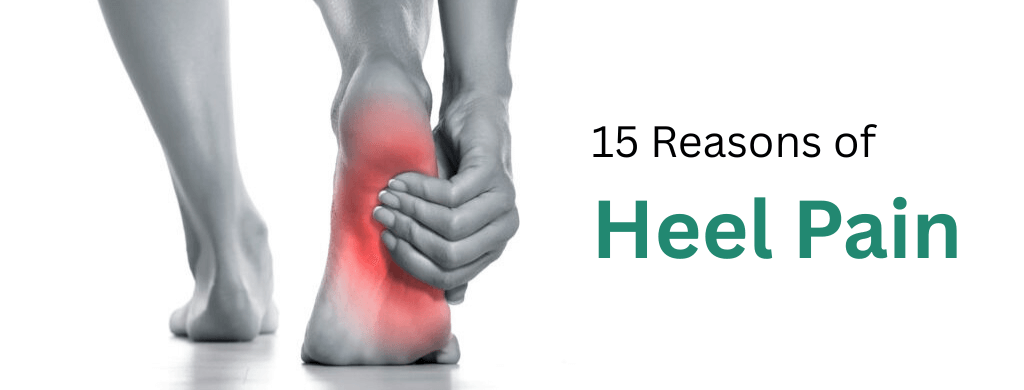
Heel pain can be caused by structural issues with the bones and soft tissues or by constant stress on the heel, such as that experienced during long-distance running. Injuries like fractures and sprains are also common culprits. Additionally, certain medical disorders like reactive arthritis and bursitis can lead to heel pain.
What is a Heel?
There are over 100 tendons, 33 joints, and 26 bones in your foot and ankle. The most significant bone in your foot is the heel.
Heel pain can occur if you overuse or damage your heel. This may be minor or incapacitating.
Heel Pain
There are several possible reasons why the heel of the foot hurts. An aggravation of the heel area can lead to the development of general heel pain. As we get older and the fat pad protecting our heel bone deteriorates, this can happen more frequently.
Any kind of discomfort or agony that happens in or beneath the heel is referred to as heel pain. Additionally, heel pain may run along the back of the heel. Heel pain can range in intensity from a slight ache to a more severe pain. In certain instances, heel pain may start out mildly before getting worse over time. In other situations, heel pain might come on suddenly and be very severe and sharp.
Foot heel pain can occur during activities such as walking, standing, or playing sports. There may be some discomfort in the heel area. The area around the heel may swell in certain situations.
Causes
Heel pain can result from several different causes. Among the most typical are:
- Plantar Fasciitis – Plantar fasciitis results from inflammation of the plantar fascia, a ligament along the sole of the foot, and is commonly caused by repetitive strain or excessive use. Usually, plantar fasciitis causes a stabbing pain in the area beneath the heel. After getting out of bed in the morning, the pain at the bottom of the heel is usually at its worst.
- Achilles Tendinitis – Overuse can lead to Achilles tendinitis, a condition where the Achilles tendon becomes damaged and swollen. Pain starts as a dull ache above the heel and can worsen over time or after physical activity. Stiffness, swelling, and pain when walking may occur if shoes rub against the sensitive area.
- Achilles Tendon – Achilles tendon rupture is a condition caused by a quick and forceful movement that often occurs while participating in sports. This is different from Achilles tendinitis. A rupture of the Achilles tendon typically causes a sharp, intense pain in the lower leg just above the heel. Some people describe it as feeling like they were kicked in the calf.
- Heel Bone Bruise – A heel bone bruise may occur due to any incident that forcefully hits the heel bone, such as falling, jumping, landing hard, or stepping on a hard surface like a rock. This can result in pain and tenderness in the heel region and may also cause swelling and discolouration. Although many heel bone bruises do not show any symptoms, some may cause discomfort.
- Heel Bursitis – Bursae are small, fluid-filled pouches that help cushion and lubricate the joints of the body. When there is inflammation of the ankle bursa, it can result in pain in the area behind the heel, specifically between the Achilles tendon and the heel bone. This condition, known as heel bursitis, may cause swelling, pain, and tenderness.
- Heel Spurs – Heel spurs, also known as bone spurs, are bony protrusions that develop on the heel bone. While some heel spurs may not cause any pain, they can be sensitive to the touch and cause discomfort when standing or moving. In some cases, heel spurs may grow large enough to be visible or felt as a lump on the outside of the foot.
- Heel Bone Fracture – A heel bone fracture is most often the result of a traumatic event, such as a high fall or a car accident. This type of injury can cause excruciating pain immediately and requires prompt medical attention.
- Stress Fractures – Stress fractures are tiny bone cracks that develop due to repeated strain or overuse. Athletes involved in running and jumping sports face a greater risk of developing stress fractures due to repetitive impact on the bones. Osteoporosis can also contribute to the development of stress fractures by making bones more fragile and prone to cracking.
- Haglund’s deformity – Haglund’s deformity is a condition characterised by a bony growth on the back of the heel. This can occur when the surrounding tissue and bone are irritated due to rubbing against shoes.
- Tarsal Tunnel Syndrome – It is a condition where compression of the major nerve in the tarsal tunnel leads to pain in the foot or ankle.
- Sever’s Disease – In children and young adults, heel pain is most commonly caused by overuse and repeated microtrauma to the heel bone’s growth plates. This condition, known as Sever’s Disease, is more prevalent in children aged 7 to 15 years old.
- Gout – This form of arthritis is caused by the accumulation of uric acid crystals in the joints, typically impacting the heel and big toe. Gout attacks in the heel are extremely painful, with sudden, severe pain, swelling, and redness.
- Sinus Tarsi Syndrome – The region on the outside of the foot, located between the ankle and heel bones, is called the sinus tarsi. A traumatic injury is typically the cause of sinus tarsi syndrome, which results in persistent pain in the front and sides of the ankle. Heel pain often intensifies during weight-bearing activities such as walking or standing. Additionally, there may be looseness in the ankles and trouble walking on uneven surfaces.
- Heel Bone Infection – This type of osteomyelitis is characterised by persistent heel pain, often accompanied by fever and exhaustion.
- Fat Pad Atrophy – As people age, the cushioning fat in their heel may degrade and become thinner over time. This is called atrophy of the fat pads. People with this condition typically experience pain that subsides in the morning but worsens as they move about throughout the day.
Prevention
There are measures you can take to avoid damage to your heel and its supporting structures, even if you have never had heel pain before. Some of these precautions that can be taken are as follows:
- Preserving a healthy weight, as opposed to being overweight, puts more strain on the lower limbs, especially the heels.
- It’s crucial to wear supportive, cushioned shoes that fit properly to prevent various types of heel pain. It is therefore advised to wear suitable shoes.
- Warming up is also essential before physically taxing activities like sports or running long distances.
Treatment
Heel pain usually improves with simple, nonsurgical care. Treatment aims to reduce pain and swelling, improve flexibility, and lower stress on the heel.
Rest and Activity Changes
Rest your foot as much as possible. Cut down on running, jumping, and long periods of standing. Avoid walking barefoot, as this can strain the heel.
Ice Therapy
Apply an ice pack to the sore area for about 20 minutes at a time, several times a day. Wrap the ice in a towel and do not place it directly on the skin. Ice helps reduce pain and inflammation.
Medications
Nonsteroidal anti-inflammatory drugs (NSAIDs), such as ibuprofen, can help reduce pain and swelling. Always use them as advised by a healthcare provider.
Stretching and Exercises
Stretching exercises for the calf muscles, Achilles tendon, and plantar fascia can ease heel pain and improve flexibility. These exercises also help prevent symptoms from coming back.
Taping and Padding
Medical or athletic tape can support the foot and reduce strain. Heel pads or cushioned heel cups can soften the impact of walking.
Supportive Footwear and Inserts
Choose footwear that provides strong arch support and soft cushioning. Heel lifts, heel inserts, or custom orthotic devices can reduce pressure on the heel. Open-backed shoes may help in some cases. Night splints may reduce morning pain.
Physical Therapy
Physical therapy may include massage, stretching, and ultrasound therapy. These treatments can reduce inflammation and help break up tight tissue.
Immobilization
If pain is severe or long-lasting, your doctor may suggest a walking boot, splint, or cast to limit movement and allow healing.
Injections
Corticosteroid injections may be used to reduce pain and swelling in some conditions.
Surgery
Surgery is rarely needed. Doctors consider surgery only if heel pain does not improve after several months of nonsurgical treatment.
Conclusion
The feet can experience a great deal of strain when walking, running, or jumping. The feet are strong and capable of bearing a lot of weight, but as pressure builds up, heel pain may occur. It is advisable to maintain the health of the ankles and feet.
Frequently Asked Questions
1. When should I consult a doctor about heel pain?
If the heel pain persists for more than a week or worsens while walking or standing, the person should consult a doctor.
2. What side effects can heel pain cause?
Foot pain can make it difficult to move around on a daily basis. Additionally, it might alter your gait. This increases your risk of falling and losing your balance, which increases the risk of further injuries.