 Health
  Find a
  Book an
 Low Blood Pressure (Hypotension): Symptoms, Causes & Remedies
January 12, 2026
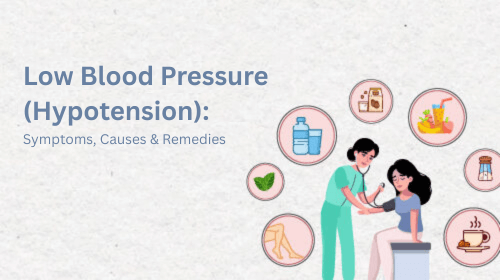
Blood pressure under 90/60 mm/Hg is referred to as hypotension or low blood pressure. It frequently has no symptoms in affected individuals. However, they are typically uncomfortable or unpleasant when lightheadedness, dizziness, and other symptoms appear. In some circumstances, hypotension can be harmful; prompt diagnosis and treatment are crucial.
In some instances, natural remedies can boost low blood pressure and reduce some of the symptoms. However, in some situations, therapy and medication may be required as an intervention to elevate blood pressure to a healthy level.
Types
Hypotension can occur in different forms depending on the cause and how it affects blood pressure levels. The main types include:
- Absolute Hypotension: Your resting blood pressure is less than 90/60 millimeters of mercury (millimeters of mercury).
- Orthostatic Hypotension: Three minutes after getting out of a sitting position, you experience orthostatic hypotension, which is a dip in blood pressure. Your systolic (top) pressure must decrease by at least 20 mmHg, and your diastolic (bottom) pressure must drop by at least 10 mmHg. Postural hypotension is another name for this since it occurs when a person’s posture shifts.
What Distinguishes Hypotension from Hypertension?
Hypertension, also known as high blood pressure, happens when the blood consistently exerts excessive force against the artery walls. It may result in severe health problems like heart disease, stroke, and kidney damage, typically showing no clear symptoms, which is why it’s often called the “silent killer.”
Hypotension, or low blood pressure, is when readings fall below 90/60 mm Hg. A sudden drop can cause dizziness or fainting, and extreme drops may lead to life-threatening conditions like shock. Though less common than hypertension, hypotension can still pose significant health risks if it reduces blood flow to vital organs.
Symptoms
Symptoms of low blood pressure (hypotension) include:
- Blurred eyesight
- Unsteadiness or faintness
- Fatigue
- Difficulty focusing
- Nausea
An unexpected drop in blood pressure, especially when symptoms are present, can signal an underlying health condition in some individuals. It can be harmful when blood pressure suddenly drops. Even a slight change in blood pressure, for example, from 110 mm Hg to 90 mm Hg, can lead to dizziness and fainting. Significant drops in blood pressure, such as those triggered by severe bleeding, major infections, or allergic reactions, can be life-threatening.
A dangerously low drop in blood pressure can trigger a medical emergency called shock. Shock symptoms include:
- Confusion, particularly in the elderly
- Clammy, frigid skin
- Decrease in skin color (pallor)
Causes
Many different factors can cause hypotension.
- Orthostatic hypotension occurs when you get up too rapidly, and your body cannot make up for it by increasing the blood supply to your brain.
- Disorders of the central nervous system: Parkinson’s disease, for example, can alter how your neurological system regulates your blood pressure. Given that their digestive systems consume more blood when processing food, people with these illnesses who have hypotension may experience the symptoms of low blood pressure after eating.
- Low blood volume: Low blood pressure can result from extensive bleeding after an injury. Low blood volume can also be a result of dehydration.
- Lung and heart problems: Hypotension can occur when your heart beats too quickly or too slowly, or if your lungs aren’t functioning properly.
- Medicines on prescription: Medication for high blood pressure, heart failure, erectile dysfunction, neurological issues, depression, and other conditions can cause hypotension.
- Extreme temperatures: Hypotension can be impacted by extreme temperatures and aggravate its consequences.
Conditions That May Result in Low Blood Pressure
The following medical problems can result in low blood pressure:
- Pregnancy: Pregnancy-related changes can cause blood vessels to expand rapidly. The changes might lower blood pressure. Low blood pressure is typical early in pregnancy (the first 24 weeks), and low blood pressure is typical. After giving birth, blood pressure typically recovers to pre-pregnancy levels.
- Conditions of the heart and heart valves: A heart attack, heart failure, valve disorders, or an unusually slow heartbeat (bradycardia) can all lead to low blood pressure.
- Illnesses relating to hormones (endocrine disorders): Conditions affecting the adrenal or parathyroid glands, like Addison’s disease, can cause a drop in blood pressure. In addition, hypoglycemia, diabetes, and other conditions can drop blood pressure.
- Dehydration: The body’s blood volume reduces when there is insufficient water. Blood pressure may decline as a result of this. Dehydration is a risk factor for fever, vomiting, severe diarrhoea, the use of diuretics, and vigorous activity.
- Loss of blood: Significant blood loss from an injury or internal bleeding reduces blood volume, leading to a sudden drop in blood pressure.
- A serious infection (septicemia): When an infection spreads into the bloodstream, it can cause septic shock—a dangerous and potentially fatal drop in blood pressure.
- Severe allergic response (anaphylaxis): One of the key symptoms of a severe allergic reaction is a sudden and substantial drop in blood pressure.
- Nutritional deficiency in the diet: Deficiencies in iron, folate, and vitamin B-12 can hinder red blood cell production, leading to anemia and a drop in blood pressure.
Diagnosis
Low blood pressure is diagnosed by checking your blood pressure and understanding your symptoms. The doctor will ask about your medical history, medicines, eating and drinking habits, and any recent illness, injury, or fainting episodes. A physical exam is also done.
Your blood pressure may be checked several times while lying down, sitting, and standing to see how it changes with position. In some cases, you may be asked to monitor your blood pressure at home.
Blood tests help find possible causes such as anaemia, low blood sugar, hormone problems, or infections. Urine tests may also be done to check overall health.
Heart tests like an ECG or echocardiogram are used to check heart rate, rhythm, and structure. If needed, imaging tests such as X-rays, CT scans, or MRI may be done.
A tilt table test may be used to see how your body reacts to position changes, especially if symptoms occur when standing up.
Treatment
Low blood pressure without symptoms usually does not need treatment. When symptoms appear, treatment depends on the cause and how severe the condition is.
If you feel dizzy or faint, sit or lie down immediately and raise your legs above heart level. This improves blood flow to the brain. Severe low blood pressure caused by shock is a medical emergency and needs hospital care, fluids through a vein, and medicines to raise blood pressure.
If medicines are the cause, a doctor may adjust the dose or change the medication. Do not stop taking medicines without medical advice. Drinking more water helps prevent dehydration and increases blood volume. In some cases, increasing salt intake may help, but only under a doctor’s guidance.
Lifestyle changes play an important role. Stand up slowly, avoid standing for long periods, and eat small, frequent meals. Wearing compression stockings helps prevent blood from collecting in the legs and supports better blood pressure control.
Natural & Home Remedies
For mild symptoms, natural and home remedies may also help.
- Increase your salt intake
- Drink more water
- Sit cross-legged
- Tulsi Leaves
- Almond Milk
- Drink beetroot and carrot juice
- Increase vitamin intake
- Coffee
If symptoms continue despite these measures, medical treatment may be needed to help the body retain fluids or tighten blood vessels.
Complications
- Dizziness and weakness may occur, making daily activities difficult.
- Fainting can happen, increasing the risk of accidents.
- Falls and injuries, such as hip or spine fractures, are more common, especially in older adults.
- Reduced oxygen supply to vital organs may damage the heart, brain, and other organs.
- Heart strain can occur as the heart pumps harder to maintain blood flow, increasing the risk of heart problems or stroke.
- Shock may develop in severe cases and is a life-threatening emergency.
- Pregnancy-related risks include a higher chance of falls, though the baby is usually not affected unless blood pressure drops severely.
- Treatment side effects may occur, depending on the medicines or methods used.
Frequently Asked Questions
1. What does a BP of 80/60 mean?
The range for your optimum blood pressure is 90/60 mmHg to 120/80 mmHg. You get low blood pressure or hypotension if it falls too low. A shortage of blood and oxygen to your important organs might cause you to fall into shock.
2. Can low blood pressure cause a stroke?
Your heart may try to compensate for low blood pressure by beating quicker or harder. Unfortunately, that can eventually result in cardiac failure and possibly irreversible heart damage. When blood flow is inadequate, it can lead to the formation of clots, which may result in complications such as stroke or deep vein thrombosis.