 Health
  Find a
  Book an
 Hematemesis (Vomiting Blood): Causes, Symptoms, and Treatment
June 15, 2025
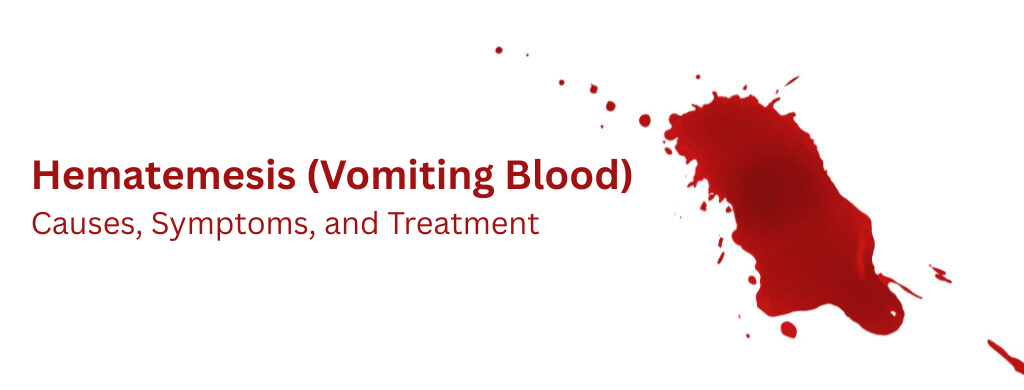
Hematemesis is the occurrence of blood in vomit. This occurs due to bleeding in the gastrointestinal tract, which comprises the oesophagus, stomach, and intestines. The blood may appear bright red or dark, like coffee grounds, depending on where the bleeding is coming from. This article explains the causes, severity, treatment options, and when to seek medical help when you are vomiting blood.
What Does it Mean if You Throw Up Blood?
If you throw up blood, it means that there is bleeding in your gastrointestinal tract. The colour of the blood can help determine where the bleeding is coming from. Bright red blood usually means the bleeding is in the oesophagus or stomach, while dark red or black blood may mean the bleeding is in the intestines.
Types
Haematemesis may appear in different forms, depending on the source and severity of bleeding. Common types include:
Coffee-ground Hematemesis
This form involves vomit that looks like coffee grounds due to partially digested blood. It usually suggests bleeding in the stomach or the upper part of the small intestine.
Bright Red Hematemesis
Bright red haematemesis refers to vomiting fresh, red blood. It often indicates active bleeding from the oesophagus, stomach, or duodenum.
Clotted Hematemesis
In this type, blood clots are present in the vomit. It generally points to significant or ongoing bleeding within the upper gastrointestinal tract.
Causes
Hematemesis is an indication of upper gastrointestinal bleeding. This covers the stomach, esophagus, and the first segment of the intestines.
- Stomach Ulcers: This ailment, sometimes called a peptic ulcer, is an excruciating open sore on the stomach lining. These sores, known as duodenal ulcers, can also develop in the first section of the gut. Vomiting blood can be a result of the arterial damage caused by these lesions.
- Esophageal Varices: The esophageal varices are enlarged tube veins connecting the stomach to the mouth. These happen when clots or scarring in the liver obstruct regular blood flow. These smaller vessels, which aren’t designed to hold a lot of blood, will receive the redirected blood. They can leak blood or explode and cause potentially fatal bleeding when they are huge.
- Gastroesophageal Reflux Disease: The inflammatory illness commonly referred to as GERD is caused by stomach acid that backwashes into the esophagus. Severe instances may cause bleeding due to lining irritation.
- Mallory-Weiss Rupture: When there is an extended period of coughing or vomiting, the esophageal lining tears open and begins to bleed. It is frequently connected to binge drinking.
Other, less frequent reasons can also result in hematemesis. These may consist of:
- Radiation exposure
- Cancer of the stomach
- Ingesting a poison
- Cancer of the esophagus
- Hemorrhagic fever is a serious sickness characterized by internal bleeding caused by an infectious disease
- Blood disorders such as hemophilia or anemia
Symptoms
Hematemesis’s primary symptom is blood in the vomit. There are two types of blood and vomit:
- Brown and bright red
- Dark, resembling coffee grinds
Blood may also be present in the feces, resembling sticky, dark tar. It’s advised to seek medical attention if experiencing the symptoms listed below, along with vomiting blood:
- Dizziness
- Pale complexion
- Cool, clammy skin
- Blue lips or fingernails on light skin
- Gray lips or fingernails on dark skin
- Quick and shallow breathing
- Weakness
- Exhaustion
- Rapid or shallow heartbeat
- Confusion
Diagnosis
Doctors start the diagnosis by asking about your symptoms. They will ask when the vomiting started, how much blood you saw, and if you felt dizzy, weak, or had stomach pain. They will also ask about recent injuries, medicines you take, alcohol use, and past stomach problems.
Physical Examination
The doctor checks your pulse, blood pressure, and signs of weakness. They also examine your abdomen to look for pain, swelling, or tenderness.
Blood Tests
Blood tests help doctors check if you have lost too much blood. These tests also show if you have anemia, infection, or liver problems. They help guide further treatment.
Upper Endoscopy
This is the most important test for finding the cause of vomiting blood. The doctor passes a thin, flexible tube with a camera through the mouth into the stomach and upper intestine. It helps locate the exact source of bleeding and check for ulcers, tears, or tumors.
Imaging Tests
If the cause is not clear, doctors may suggest scans such as CT scan, X-ray, ultrasound, or MRI. These tests show the inside of the body and help find abnormal growths, injuries, or organ damage.
Stool Test
A stool test checks for hidden blood in the stool. This test helps confirm ongoing bleeding in the digestive tract.
Biopsy (If Needed)
If the doctor finds suspicious tissue during endoscopy, they may take a small sample for testing. This helps rule out serious conditions like cancer.
Early diagnosis helps doctors control bleeding quickly and treat the exact cause of hematemesis more effectively.
Treatment
The treatment for hematemesis depends on its underlying cause and the severity of the bleeding. In some cases, the bleeding may resolve on its own with simple measures, such as resting the stomach, temporarily avoiding food and drink, and taking medications to reduce stomach acid.
Additional treatment may be necessary if the bleeding is more severe or due to an underlying medical condition. Some possible treatments for hematemesis include:
- Endoscopy: This procedure entails placing a slender, flexible tube equipped with a camera into the throat to inspect the digestive system and pinpoint the origin of the bleeding. The doctor may be able to stop the bleeding during the procedure by applying heat, electricity, or medication to the affected area.
- Medications: Medications may be prescribed based on the underlying cause of hematemesis to reduce stomach acid, treat infections, or address bleeding disorders.
- Surgery: In uncommon instances, surgery might be required to control the bleeding and address the underlying condition.
- Blood transfusion: In cases of heavy bleeding and major blood loss, a blood transfusion may be necessary.
- Angiography: An angiography is performed to locate and halt arterial bleeding. After injecting contrast liquid into an artery, blood flow is captured on X-rays.
It is important to receive prompt medical attention if you experience hematemesis or vomiting blood. Your doctor can specify the underlying cause and recommend the appropriate treatment to aid in your recovery.
What is the First Aid for Blood Vomiting?
If you or someone you know is experiencing hematemesis or vomiting blood, it is important to seek medical attention immediately. While waiting for medical help to arrive, you should have the person sit upright and lean forward slightly. This can help prevent them from inhaling any vomit into their lungs. Do not give them anything to eat or drink until a medical professional has evaluated them.
Who to Consult for Hematemesis and When?
If you experience hematemesis or vomiting blood, it is important to seek medical attention immediately. You should go to the emergency room or call an ambulance if the bleeding is severe. You are experiencing severe abdominal pain, dizziness, rapid heart rate, shortness of breath, fainting, or loss of consciousness. These symptoms may indicate severe bleeding and require immediate medical attention.
If the bleeding isn’t severe, consult with your primary care physician or a gastroenterologist, a specialist in digestive disorders. The doctor will conduct a physical examination and might suggest tests, including blood tests, imaging, or an endoscopy, to uncover the cause of the bleeding.
In general, it is important to see a doctor if you experience hematemesis or any other symptoms of bleeding in the gastrointestinal tract. This will help determine the cause and provide appropriate treatment to help you recover.
Prevention
Haematemesis can happen due to different health problems. Not all causes can be prevented, but you can reduce the risk by following a few simple steps.
Avoid Alcohol and Smoking
Excessive alcohol intake and tobacco use can damage the stomach lining. These habits increase the risk of bleeding in the stomach. Avoiding them helps protect your digestive system.
Use Painkillers Carefully
Pain medicines like aspirin and ibuprofen can irritate the stomach. Use them only when needed and always follow your doctor’s advice. Never take these medicines on an empty stomach.
Control Digestive Problems
If you have stomach or digestive disorders, take proper treatment and attend regular check-ups. Early care helps prevent serious problems like internal bleeding.
Get Liver Check-ups
People who drink alcohol often or have viral infections like hepatitis should test their liver regularly. Early detection of liver disease reduces the risk of vomiting blood.
Follow Good Hygiene
Wash your hands often and do not share food, drinks, or utensils. This helps stop the spread of infections that can cause stomach swelling and bleeding.
Frequently Asked Questions
1. Can vomiting blood cause death?
In rare cases, vomiting blood can cause death. This is more likely to happen if the bleeding is severe and goes untreated. If you experience hematemesis, it is important to seek medical attention immediately.
2. Is it normal to have a small amount of blood in vomit?
A little blood in vomit is not normal and should always be evaluated by a medical professional. While it may be caused by a minor issue, such as a small tear in the esophagus, it can also be a sign of a more serious condition.
3. What are the reasons for vomiting blood during pregnancy?
Vomiting blood during pregnancy may stem from various factors, such as gastrointestinal problems, nosebleeds, or other underlying conditions. It can indicate a serious health issue that needs immediate medical attention.
4. What is the difference between hematemesis and hemoptysis?
Hemoptysis means coughing up blood from the airways, while hematemesis means vomiting blood from the gastrointestinal (GI) tract. Blood in hemoptysis is usually bright red, frothy, and mixed with mucus, while blood in hematemesis often appears dark red or brown, may contain food particles, and shows signs of exposure to stomach acid.