 Health
  Find a
  Book an
 Food Poisoning: Symptoms, Causes, Diagnosis & Prevention
January 30, 2026
Food poisoning, also known as a foodborne illness, occurs when contaminated food is consumed. Harmful bacteria, viruses, parasites, or toxins are the primary causes of gastrointestinal disorders. While some individuals may not experience any symptoms, others may suffer from mild digestive discomfort or severe dehydration. If you’ve got a light case, you might think you’ve got a ‘stomach flu’ or a virus. You’ll recover with no treatment. But some people have such bad symptoms that they’ll need to attend the hospital.
Causes
When you eat or drink food that contains harmful germs or toxins, it causes food poisoning.
Germs
The most common causes are germs such as:
- Bacteria (for example, Salmonella, E. coli, Listeria, Campylobacter, Shigella, and Staphylococcus)
- Viruses like norovirus, rotavirus, and hepatitis A
- Parasites that can live in the intestines
These germs can enter food and make you sick.
Toxins
Some bacteria and molds produce toxins in food. Certain fish and shellfish can also contain natural toxins. Eating food with these toxins can cause food poisoning.
Poor Food Handling
Food can become contaminated because of:
- Not washing hands properly
- Sick people handling food
- Using unclean utensils, cutting boards, or kitchen surfaces
- Cross-contamination between raw and cooked foods
Improper Cooking
Undercooked meat, poultry, seafood, and eggs may still contain harmful germs.
Unsafe Storage
Food left at room temperature too long or stored at the wrong temperature can allow germs to grow.
Unsafe Water
Water used for growing, washing, or preparing food can contain human or animal waste and spread germs.
Symptoms
The Common Symptoms
Stomach and gut cramps, diarrhoea, and vomiting can begin as soon as one hour after consuming contaminated food or may take up to ten days or more to appear. It also depends on what is causing the infection. Some common symptoms of a variety of food poisonings might include:
- Bloating and gas
- Fever
- Muscle aches
- Weakness
- Belly pain and cramping
- Nausea
- Vomiting
Symptoms may appear just hours after consuming contaminated food or may take several days or even weeks to develop. Sickness caused by food poisoning usually lasts a few hours to several days.
Some Life-Threatening Symptoms
- Repeated vomiting
- Signs of dehydration include dry mouth, little or no urination, dizziness, or sunken eyes
- Any diarrhoea in a newborn or infant
- Diarrhoea that lasts longer than two days (1 day in a child) or is severe
- Severe gut pain
- High Fever
- Bloody stools
- Muscle weakness
- Tingling in your arms
- Blurry vision
- Confusion
- Diarrhoea or flu-like illness in pregnant women
- Jaundice
Risk Factors
The likelihood of falling ill after consuming contaminated food depends on the type of organism, the level of exposure, your age, and overall health. Certain groups are at higher risk, including:
- Adults ages 65 and older: Your immune system becomes less ready to repel infection.
- Babies and young children: Very few children have fully developed immune systems.
- Pregnant women: Pregnancy-related changes in your body increase the risk of becoming seriously ill from germs and bacteria.
- People with long-term illnesses: Conditions like diabetes, kidney disease, liver disease, HIV, AIDS, or cancer treatment can weaken your immune system.
Diagnosis
To identify food poisoning, your doctor will examine your medical records, evaluate your symptoms, their duration, and the foods you’ve recently eaten. They’ll also ask whether you’ve traveled, and they may question whether anyone else in your reception has these symptoms. They’ll test your urine to ascertain if you’re dehydrated based on what they determine. They’ll also take blood and stool samples to identify and trace the organism that has caused your illness. If they choose the organism, they’ll contact your local health department to ascertain if there’s an epidemic. Unfortunately, it’s not always possible to seek out the precise cause.
They’ll test your urine to ascertain if you’re dehydrated based on what they determine. They’ll also take blood and stool samples to identify and trace the organism that has caused your illness. If they choose the organism, they’ll contact your local health department to ascertain if there’s an epidemic.
Unfortunately, it’s not always possible to seek out the precise cause.
Treatment
Treatment depends on how severe your symptoms are and what caused the illness. Most people get better in a few days without special medicine.
1. Replace Lost Fluids
The most important treatment is to prevent dehydration.
Vomiting and diarrhea cause the body to lose fluids and minerals called electrolytes. You should drink plenty of fluids to replace them.
Helpful options include:
- Oral rehydration solutions from a pharmacy
- Hydration drinks that balance electrolytes
- Small sips of fluids if you feel nauseated
- Ice chips if drinking is difficult
If you cannot keep fluids down or show signs of severe dehydration, you may need IV fluids in a hospital.
2. Rest and Symptom Relief
Your body needs time to recover. Getting plenty of rest helps healing.
Some adults with mild diarrhoea (no blood and no fever) may use over-the-counter medicines like Loperamide to slow diarrhoea.
These medicines are not for children. Do not use them if diarrhea is severe, bloody, or with fever unless a healthcare provider advises. Medicines that stop diarrhea are usually not recommended in some cases because they can make the illness last longer.
3. Medicines for Infections
Most food poisoning does not need antibiotics. However, a healthcare provider may prescribe:
- Antibiotics for certain bacterial infections, especially in severe cases or in people at high risk of complications
- Antiparasitic medicines for infections caused by parasites
Only a healthcare provider can decide if these medicines are needed.
4. Probiotics
A healthcare professional may suggest probiotics. These help replace healthy bacteria in the gut.
5. Temporary Diet Changes
As you start to feel better, slowly return to normal eating. Drink fluids first and add foods as your stomach settles.
Effective Tips to Prevent Food Poisoning at Home
- Wash your hands completely: Clean your hands well using soap and either warm or cold water, then dry them completely.
- Wash utensils: Clean worktops, knives, and utensils both before and after preparing food, especially after contact with raw meat (including poultry), eggs, fish, or vegetables. Do not use antibacterial sprays; hot, soapy water is OK.
- Wash dishcloths: Regularly wash dishcloths and tea towels, and make sure they are completely dry before using them again. Dirty, damp clothes are the right place for germs to spread.
- Use separate chopping boards: Use a separate cutting board specifically for preparing raw foods like meat and fish. This can be done to avoid contaminating ready-to-eat foods with harmful bacteria present in raw food before being cooked.
- Keep meat separate: It’s imperative to keep meat far away from ready-to-eat foods, like salad, fruit, and bread. Since these foods aren’t cooked before consumption, any bacteria transferred from raw meat won’t be destroyed.
- Store meat on the rock bottom shelf: Always cover the meat and store it on the rock bottom shelf of the fridge, where it cannot touch or drip onto other foods.
- Cook food thoroughly: Make sure poultry, pork, sausages, and kebabs are cooked thoroughly until they’re steaming hot and no pink meat remains inside. Before cooking, don’t wash meat, including chicken and turkey, as this may spread bacteria around your kitchen. For example, freezing raw chicken reduces the number of Campylobacter bacteria but doesn’t eliminate them.
- Keep your fridge below 5°C: Keep your fridge temperature below 5°C; use a fridge thermometer to check it. This prevents harmful germs from growing.
- Avoid overfilling your fridge: If it’s too full, air cannot circulate properly, affecting the general temperature.
- Cook leftovers quickly: If you’re not planning to eat cooked food right away, let it cool quickly (within 90 minutes) and then store it in the fridge or freezer. Use any leftovers from the refrigerator within two days, and don’t reheat food more than once.
- Track ‘use-by’ dates: Avoid eating food beyond its use-by date, even if it appears and smells fine. Use-by dates are supported by scientific tests that show how quickly harmful bacteria can develop within the packaged food and whether anyone else has these symptoms.
Frequently Asked Questions
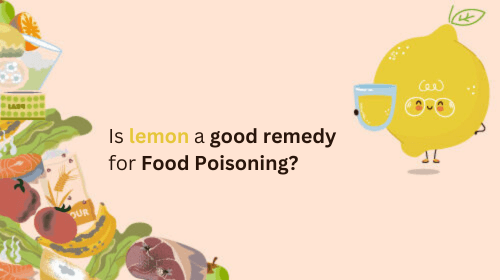
1. Is lemon good for food poisoning?
Lemon juice is a powerful natural remedy for food poisoning. It offers quick relief by eliminating harmful germs. Its high antioxidant content and acidic nature help detoxify the digestive system effectively.